

China’s paint-line equipment market is evolving alongside a much larger coatings industry. Grand View Research estimated the global paints and coatings market at USD 179.98 billion in 2023, reflecting demand across construction, automotive, and manufacturing. That figure is not a measure of spray-booth sales, but it helps explain why coating consistency and production efficiency matter to manufacturers.
A paintline spray booth is more than an enclosure. Airflow, filtration, temperature control, and conveyor integration can shape finish quality and line uptime. On a factory floor, even a small imbalance may show up as uneven coverage, extra rework, or dust trapped in a wet coating. Details matter.
For buyers comparing China Top Paint Line Spray Booth Manufacturers, published specifications are only a starting point. Ask how suppliers validate airflow, document test results, and support commissioning and maintenance. Request evidence from comparable installations, not just polished catalog images. A limitation remains: no source material was provided for a verifiable quotation from a named spray-booth expert, so attributing a quote here would risk misleading readers. Reliable supplier comparisons should connect measurable performance claims with traceable evidence.
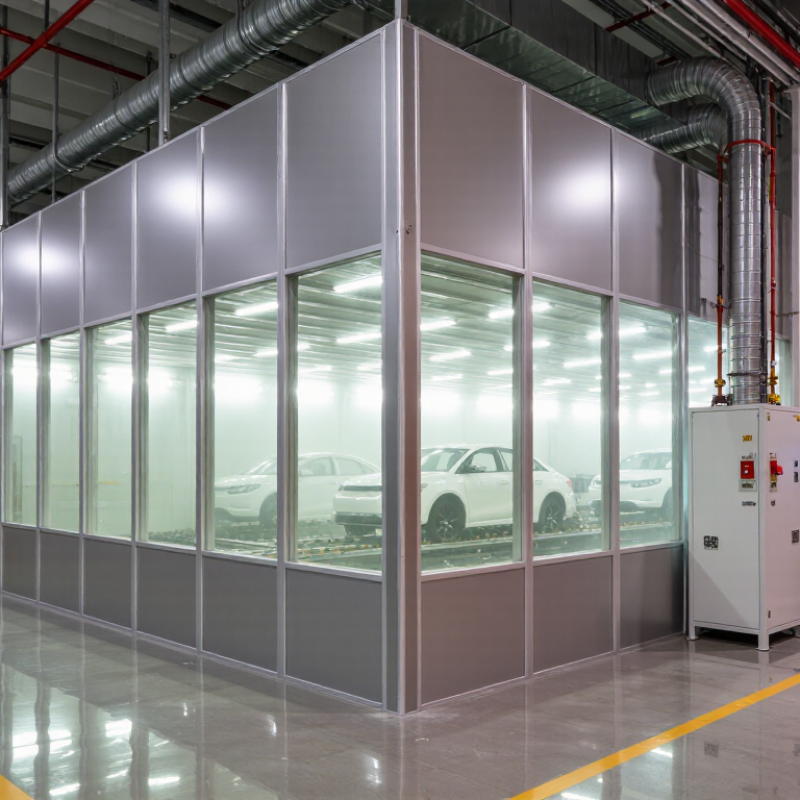
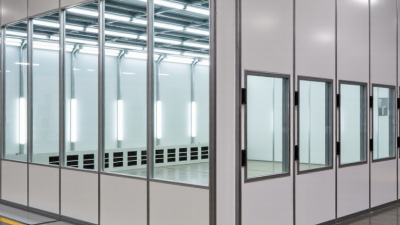
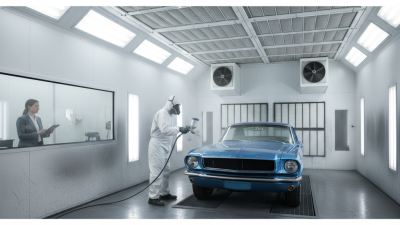
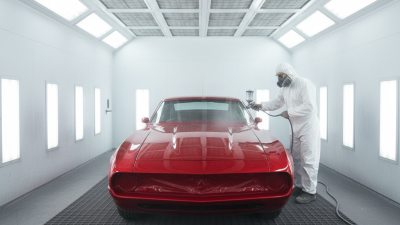
A paint line spray booth is an enclosed or partially enclosed workspace designed for applying coatings under controlled conditions. It separates spraying from nearby production areas and helps manage airflow, airborne particles, and overspray. During operation, filtered air moves through the booth and carries paint mist toward collection filters. This can support a cleaner finish and reduce residue settling on wet surfaces. A booth is not magic.
On a production line, the booth provides a defined space for coating parts as they move through the process. Its design may include supply fans, exhaust equipment, filters, lighting, and a conveyor opening. These components help maintain visibility and direct contaminated air away from the work zone. Filter type and airflow requirements depend on the coating, part size, and application method. One setup will not suit every line.
A spray booth also helps make working conditions more consistent by limiting drafts and controlling how air travels around a part. Operators should check airflow indicators, filter condition, and visible dust buildup as part of routine maintenance. Performance depends on proper installation and care, not just the booth enclosure. A spotless booth cannot fix poor spray technique, and small leaks or overloaded filters can undermine its purpose.
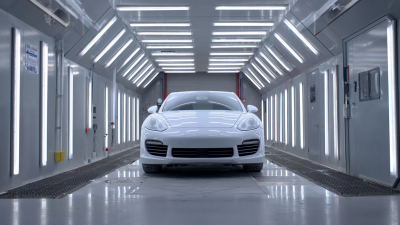
Industrial paint lines use several booth layouts, each controlling overspray and airflow differently. A dry-filter booth draws air through replaceable media behind the work area. It can suit frequent color changes and avoids a water-treatment loop. Check filters regularly. A clogged surface may conceal uneven airflow.
Water-curtain booths pull overspray toward a moving water film, which helps capture paint particles. They need ongoing water and residue management, so plan for cleaning access and disposal. Downdraft booths move air from the ceiling toward floor-level exhaust. This can carry overspray away from painted surfaces, but the floor pit and airflow system need careful maintenance. Crossdraft booths move air horizontally across the vehicle or part. They are often simpler to arrange, though airflow may carry paint mist past the workpiece.
Side-draft layouts draw air toward exhaust points along a wall or floor edge. Enclosed booths may also use automated equipment for repeatable, high-volume coating. The right choice depends on part size, coating behavior, line speed, and available space. No layout is perfect. Even a well-designed booth can underperform when loading patterns block airflow or maintenance is delayed. Measure the actual work zone before choosing. A test run can reveal issues a drawing misses.
Typical airflow direction by booth configuration. Bars indicate whether the airflow commonly has a horizontal or vertical component; they are not performance ratings.
Crossdraft and side-draft booths typically move air horizontally. Downdraft booths move air from ceiling to floor, while semi-downdraft designs combine vertical and horizontal flow. Actual layouts vary by booth design and installation.
A spray booth is more than an enclosed room with fans. Its airflow pattern affects paint transfer, finish quality, and operator visibility. Experienced manufacturers use airflow simulations and physical testing to identify dead zones around vehicle bodies or large components. Results depend on the final booth layout, though, so simulations should not replace commissioning checks.
Look for controlled fabrication, not just a wide product catalogue. Consistent sheet-metal thickness, sealed panel joints, and accessible filter housings help limit leakage and simplify maintenance. Good systems combine staged filtration, balanced exhaust fans, and suitable heating controls. Some designs include heat recovery, but its value depends on operating hours and local conditions. Not every feature pays off.
Reliable production also needs documented inspections. Manufacturers can verify fan rotation, airflow readings, burner operation, electrical interlocks, and emergency stops before shipment. Ask for test records and clear installation drawings. Small details matter: a poorly placed pressure gauge can make filter checks harder. Even careful factory testing cannot fully predict site performance. Duct routing, building pressure, and operator habits can still change airflow after installation.
Evaluating a China-based spray booth manufacturer starts with the process, not the brochure. Share the workpiece dimensions, coating type, daily output, and available floor space. Ask how the proposed airflow, heating method, and filtration stages match those conditions. Details matter. A booth sized only by exterior dimensions may leave operators with uneven airflow or difficult maintenance access.
Request drawings, airflow calculations, filter specifications, electrical details, and a clear installation scope. Ask for recent project references with similar booth sizes and production volumes. If possible, inspect a working unit or arrange an independent factory visit. A visit can help, but it may show a staged day rather than routine production. Check panel joints, door seals, welds, and filter access. Small gaps can complicate cleaning and affect containment. Ask for evidence.
Compare warranty coverage, spare-part lead times, commissioning support, and response hours, not just the quoted price. Clarify who handles shipping coordination, installation guidance, and operator training. Ask how performance will be measured after setup, including airflow readings and temperature stability. Some specifications look precise but leave room for interpretation. Put acceptance criteria in writing, then ask a qualified engineer to review them before agreeing on payment milestones.
A dependable paint line spray booth starts with documented standards, not a catalogue promise. In the United States, OSHA 29 CFR 1910.107 sets a 100-feet-per-minute airflow benchmark for many spray-booth openings, with defined exceptions. NFPA 33 also addresses spray application, ventilation, and fire protection. These references help buyers check booth design, but local codes and the actual coating process still matter. A paper certificate alone cannot prove even airflow across a working booth.
Installation should include measured airflow, filter checks, electrical inspection, and a clear record of commissioning results. Ask the supplier to test the booth with doors, filters, and exhaust equipment in operating condition. EPA’s AP-42 emissions-factor report documents how coating operations can release volatile organic compounds; capture efficiency and suitable filtration therefore deserve attention during system design. Keep baseline readings. They make later changes easier to spot. Still, a rushed handover can leave operators guessing about alarms or filter replacement intervals.
Tips: Put response times, spare-filter availability, warranty limits, and technician training in the service agreement. Photograph pressure gauges and duct connections at handover. Schedule follow-up checks after production begins. Small details matter. And be candid: maintenance plans often look better on paper than on a busy factory floor.
Hein Minnie
Cell nr: +27 (0) 82 564 6501
Email: sale@thecirclemachine.com
Hein Minnie Jnr
Cell nr: +27 (0) 84 284 7234
Email: sale@thecirclemachine.com
Address:
10 Apsey Street,
Heidelberg,
Gauteng,
1441
Bendet Engineering Services (PTY) LTD was established in 1987. Our team of engineers and draughtsman are ready to deliver a complete turnkey solution, from the design phase to commissioning. A dedicated team that consists of electrical, mechanical and industrial engineers, we are able to offer a comprehensive service to our clients.