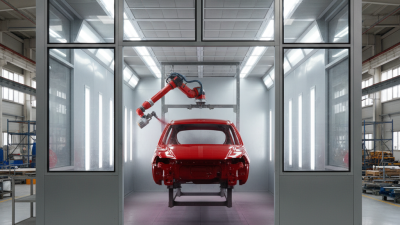
7 Tips for Choosing a Standard Paint Booth?
Choosing a standard paint booth is not simply a matter of comparing prices and dimensions. The right enclosure influences finish quality, worker protection, airflow control, energy use, and daily production. A booth that looks impressive online may perform poorly beside a busy spray line. That difference matters.
This guide presents seven practical tips for evaluating a standard paint booth. Each tip focuses on details that are easy to overlook, including booth size, airflow pattern, filtration, lighting, access, maintenance, and operating costs. Measure your largest workpiece, then allow room for movement and safe material handling. Inspect the filter access points. They should be easy to reach, not hidden behind equipment. Bright, even lighting also helps reveal thin coverage, runs, and surface defects before the finish cures.
Real-world experience suggests that specifications alone are not enough. Ask manufacturers for airflow data, maintenance guidance, installation requirements, and documented safety features. Confirm that the design suits your coating process and facility conditions. Do not assume the cheapest option is the most economical. Replacement filters, fan power, cleaning time, and downtime can quietly change the total cost.
Small details matter.
A reliable standard paint booth should support consistent work without creating unnecessary complexity. Still, every project has weaknesses. Available space may be limited, future production may be uncertain, and supplier information may require careful verification. Use these seven tips as a practical framework, but review the final choice with qualified ventilation, safety, and facility professionals. That extra review can prevent expensive changes later.
What a Standard Paint Booth Is and How It Works
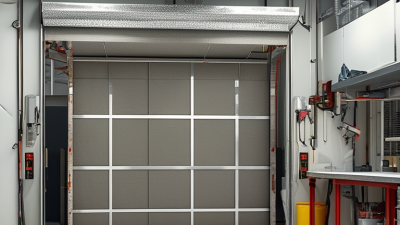
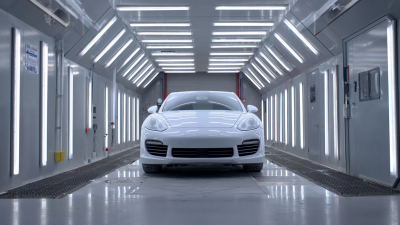
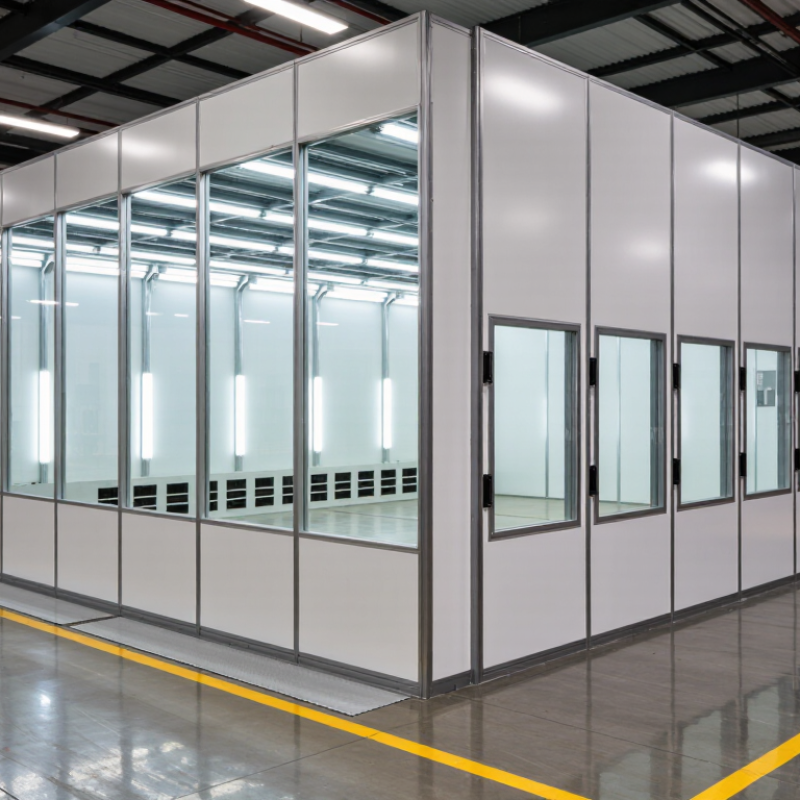
A standard paint booth is an enclosed workspace designed to control overspray, dust, fumes, and airflow during coating work. It usually includes a filtered air intake, an exhaust fan, lighting, and removable filters. The enclosure may use metal panels, sealed doors, and a grated floor, depending on the application.
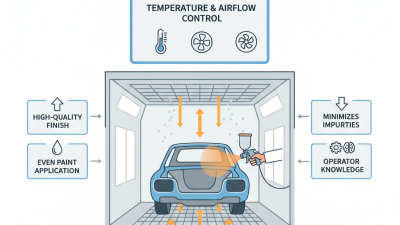
Air enters through intake filters, moves across the work area, and carries airborne particles toward exhaust filters. The exhaust system then directs the filtered air through a suitable outlet. This steady movement helps create a cleaner finish and reduces contamination around the operator. It does not remove every hazard. Proper respiratory protection, ventilation checks, and safe work procedures remain necessary.
When choosing a standard booth, check seven practical details: internal size, airflow direction, fan capacity, filter access, lighting quality, noise level, and maintenance space. Leave room around large parts. A cramped booth often causes uneven coverage and awkward spraying angles. Examine the airflow pattern with a qualified technician, rather than trusting a brochure alone. In real workshops, airflow is rarely perfect. Filters load with paint quickly, and poor cleaning can weaken performance. That part is easy to underestimate.
The booth should also match the coating process and local safety requirements. Review electrical components, fire controls, exhaust routing, and emergency access before installation. A reliable supplier should provide technical specifications, maintenance guidance, and airflow data. Ask difficult questions. Vague answers deserve another review.
Assess Your Coating Process, Workspace, and Production Needs
7 Tips for Choosing a Standard Paint Booth
Assess Your Coating Process, Workspace, and Production Needs
Choosing a standard paint booth starts with your coating process, not the booth catalog. Identify coating type, part size, solvent use, flash time, and daily production volume. A large steel frame needs different airflow than small cabinets. Measure the tallest part, including hooks and fixtures. Leave service clearance. Tight spaces create expensive compromises.
Check airflow, filtration, lighting, access, and operator movement. OSHA 29 CFR 1910.94(c) specifies 100 feet per minute for many open-face spray booths. Confirm the design with a qualified ventilation professional. The U.S. EPA’s 2020 National Emissions Inventory tracks surface coating as a significant VOC source category. This makes capture efficiency and filter maintenance important, not optional. NFPA 33 also provides widely used guidance for spray application fire protection. Verify local requirements before purchasing.
Match booth capacity to realistic production, not optimistic forecasts. Review hourly parts, drying space, color changes, and cleaning time. Ask whether the booth can handle tomorrow’s larger work. It may not. Energy use deserves attention too. Record fan horsepower, operating hours, replacement filter costs, and heating demand. A cheaper booth can cost more every month. Walk through the process with operators. Their practical experience often exposes blind spots, such as poor door access or overspray near lighting. Test your assumptions with actual parts, because a perfect drawing can still fail on the shop floor.
Choosing a Standard Paint Booth: Airflow Planning by Workspace Size
Estimated exhaust airflow is calculated from the booth opening area and an illustrative capture velocity of 0.5 m/s:
airflow = width × height × 0.5 × 3,600.
Larger workpieces require a larger opening and substantially higher exhaust capacity. Confirm the final airflow, filtration, fire protection, make-up air, and electrical requirements with applicable local regulations and a qualified booth designer.
Compare Booth Types, Sizes, Layouts, and Airflow Designs
7 Tips for Choosing a Standard Paint Booth
Choosing a standard paint booth starts with the work, not the catalog. Crossdraft booths can suit smaller projects and simpler budgets, while downdraft designs usually provide cleaner overspray control. Side-draft layouts may fit buildings with limited floor depth. Each type creates different airflow behavior. Ask where air enters, where it exits, and whether the path crosses the painter’s breathing zone. It matters.
Measure the largest item, then add clearance for doors, hoses, lights, and safe movement. A booth that fits a panel may fail when a technician opens its door. My early mistake was measuring the object only. Leave room for carts and maintenance access. Check ceiling height, exhaust routing, filter replacement space, and the distance from nearby work areas. Layout affects productivity more than many buyers expect.
Airflow should match the finish quality you need. Even movement reduces turbulence and helps prevent dust from settling on wet coating. Review airflow volume, pressure readings, filter locations, and makeup air provisions with a qualified booth professional. Keep the loading area separate from sanding or cleaning zones when possible. Poor separation can defeat an excellent booth design. Confirm lighting, controls, access doors, and service schedules before ordering. Do not ignore noise. A quiet system is easier to use consistently. Local workplace and environmental requirements also deserve a documented check. Some choices seem obvious. They are not.