


What Is a Standard Paint Booth?

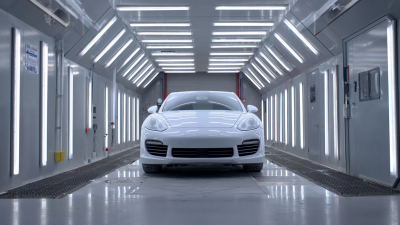
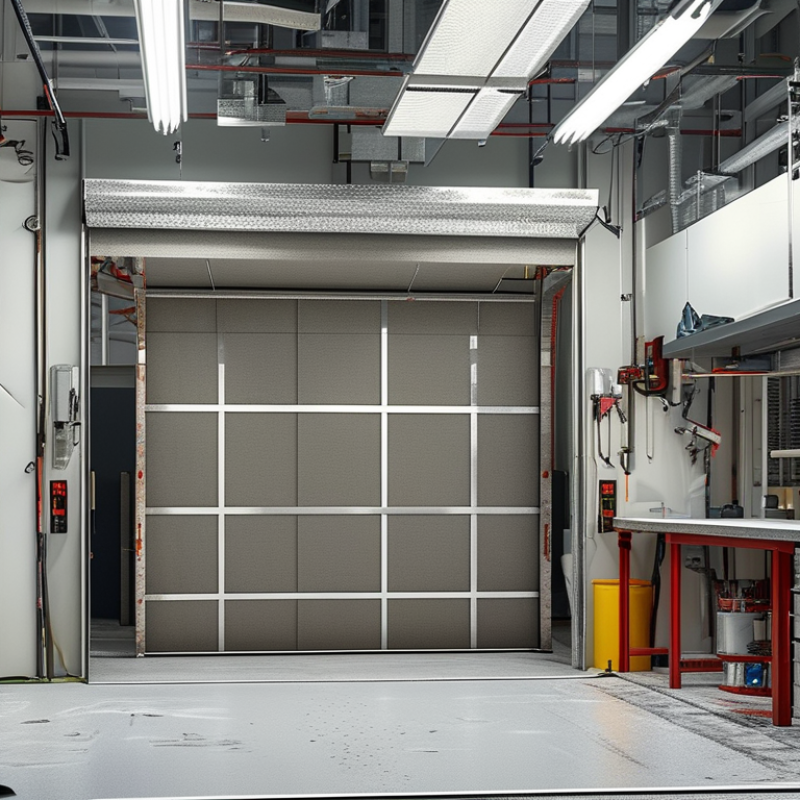
A standard paint booth is a controlled enclosure designed for safer, cleaner, and more consistent coating work. It manages airflow, captures overspray, and helps separate painting from surrounding operations. Unlike an open workshop, it provides a defined space where temperature, lighting, and ventilation can be monitored more carefully.

In practical use, a standard paint booth may include filtered intake air, exhaust fans, paint arrestor filters, and durable interior panels. These features reduce airborne particles and improve surface quality. Good lighting reveals dry spray, uneven coverage, and small defects before the finish cures. Operators also rely on written procedures, routine filter checks, and appropriate protective equipment. Details matter.

However, “standard” does not mean identical. Booth size, airflow design, coating type, workpiece shape, and production volume can change the correct specification. A small furniture shop may need different performance from an automotive refinishing facility. Experienced technicians evaluate these conditions before selecting equipment. Manufacturer data and qualified engineering advice should support that decision.

No booth is perfect.

Even a well-designed standard paint booth can perform poorly when filters are neglected or loading doors remain open. I have seen how minor maintenance gaps create visible dust and uneven finishes. That practical lesson is easy to overlook. This guide explains the main components, operating principles, maintenance expectations, and selection factors that define a reliable paint booth. It also considers common misunderstandings, because a lower purchase price may create higher operating costs later.
What Is a Standard Paint Booth?

Definition and Purpose of a Standard Paint Booth

A standard paint booth is an enclosed, ventilated workspace designed for controlled coating and finishing work. Its main purpose is to manage overspray, airborne particles, fumes, and airflow. It is not simply a room.

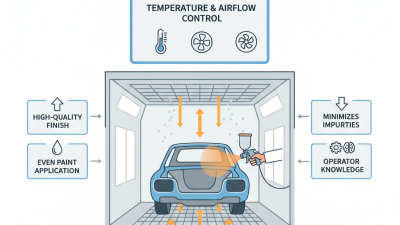
The booth usually includes filtered air intake, mechanical exhaust, suitable lighting, and surfaces that support regular cleaning. Airflow moves contaminants away from the work area and toward approved filtration or exhaust systems. This helps protect workers and improves coating consistency. Details matter. Uneven airflow can create dry spray, dust marks, or inconsistent color. A qualified technician should check airflow performance, filter condition, electrical safety, and grounding before operation.

A standard booth also creates a more predictable environment for preparation and application. Temperature, humidity, ventilation, and cleanliness can affect drying time and surface quality. Operators need appropriate training and personal protective equipment for the coating materials being used. Maintenance records are useful because clogged filters may not be obvious during a busy shift. That assumption fails.

The word “standard” can be misleading. Booth requirements vary with the coating process, workpiece size, building design, and local safety rules. A booth suitable for small parts may not support large equipment or continuous production. In practice, users should verify the booth’s design, airflow data, inspection schedule, and operating instructions with qualified professionals. Even a well-built booth can perform poorly when doors remain open, filters are neglected, or cleaning is delayed.

What Is a Standard Paint Booth? - Definition and Purpose of a Standard Paint Booth

Dimension Typical Standard or Feature Purpose and Practical Notes
Definition A dedicated, enclosed or semi-enclosed workspace designed for spray painting, coating, or finishing operations. It separates painting activities from surrounding work areas and provides controlled conditions for coating application and drying.
Primary purpose Control overspray, airborne contaminants, vapors, and paint particles. A controlled booth helps protect workers, improve finish quality, reduce contamination, and limit the spread of coating residues.
Typical applications Vehicle parts, metal components, furniture, machinery, cabinets, and general industrial products. The booth size, airflow arrangement, filtration, and fire-protection provisions should match the workpiece, coating type, and production volume.
Airflow system Mechanical supply and exhaust ventilation with a defined airflow path. Airflow carries overspray and vapors away from the operator and workpiece. Common layouts include crossdraft, downdraft, and side-draft configurations.
Air pressure Often operated at slightly negative pressure relative to adjacent areas. Negative pressure helps prevent contaminated air from escaping into nearby workspaces, although the exact pressure relationship depends on the design and applicable requirements.
Filtration Replaceable intake and exhaust filters selected for the coating process. Filters capture paint particles, protect ventilation equipment, improve finish quality, and help reduce emissions. Filters require inspection and timely replacement.
Lighting Enclosed, cleanable lighting fixtures positioned to illuminate the work area evenly. Uniform lighting helps operators identify color variation, runs, sags, dry spray, and surface defects during application and inspection.
Construction materials Smooth, durable, non-combustible or suitably fire-resistant surfaces where required. Smooth interior surfaces are easier to clean and less likely to collect overspray. The structure should withstand the chemicals and cleaning methods used in the process.
Fire and explosion control Grounding and bonding, suitable electrical equipment, controlled ignition sources, ventilation, and fire-protection measures. Many coatings and solvents are flammable or combustible. The booth design must address vapor accumulation, static electricity, heat sources, and overspray buildup.
Worker protection Ventilation, respiratory protection where required, protective clothing, gloves, eye protection, and worker training. A paint booth is an engineering control, not a substitute for a complete hazard-control program or appropriate personal protective equipment.
Finish-quality benefits Controlled airflow, reduced dust, consistent lighting, and cleaner working conditions. These conditions can improve coating uniformity, reduce rework, and support more repeatable application results.
Maintenance requirements Regular filter replacement, booth cleaning, airflow checks, lighting inspection, and fan or motor maintenance. Accumulated overspray can restrict airflow, reduce finish quality, increase energy use, and create additional fire hazards.
Compliance consideration Designed and operated according to applicable workplace-safety, fire, electrical, environmental, and building requirements. Requirements vary by location, coating chemistry, booth type, and operation. Local authorities and qualified professionals should be consulted before installation or modification.
Key takeaway: A standard paint booth is a controlled ventilation and finishing enclosure that improves coating quality while helping manage overspray, airborne contaminants, worker exposure, and fire-related hazards.

Booth Types and Typical Airflow Rates of 50–100 FPM

What Is a Standard Paint Booth?

A standard paint booth controls overspray, vapors, and contaminated air through planned airflow. Common designs include crossdraft, downdraft, side-draft, and semi-downdraft booths. Typical face velocity ranges from 50 to 100 feet per minute (FPM). A 10-by-8-foot opening therefore requires about 4,000 to 8,000 CFM. That calculation is only a starting point.

OSHA 1910.107 commonly uses 100 FPM across booth openings as a benchmark for many spray applications. NFPA 33 focuses on maintaining safe vapor concentrations, rather than approving one universal airflow rate. The ACGIH Industrial Ventilation manual also stresses capture effectiveness, duct resistance, filter loading, and replacement air. In practice, a downdraft booth may need stronger exhaust than a crossdraft booth. Large parts can disrupt airflow. Poorly balanced doors can create visible turbulence. The number alone does not prove good performance.

Tips: Measure airflow at several points, not just the center. Check filters before testing. Record readings with the booth empty and during normal work. A smoke test can reveal dead zones, although it should never replace calibrated instruments. Design assumptions often look perfect on paper. Real shops are less predictable. Consult a qualified ventilation engineer and verify local requirements before installation.

Ventilation Design Under OSHA 1910.107 Requirements

What Is a Standard Paint Booth?

Ventilation Design Under OSHA 1910.107 Requirements

A standard paint booth is an enclosed workspace designed to control overspray, vapors, and airborne contaminants. Under OSHA 1910.107, ventilation is not an optional feature. It is a primary safety control. The system must provide enough mechanical airflow to remove flammable vapors and spray residue during operations. Air should move steadily through the booth, not swirl around the operator’s breathing zone. Keep it predictable.

A practical design uses properly sized exhaust fans, clean filters, suitable ductwork, and a discharge point that prevents vapors from returning indoors. The spraying equipment should not operate when ventilation is off. An interlock can help enforce this requirement. Booth openings must also meet applicable airflow criteria, which should be verified through measurements rather than assumptions. A handheld airflow meter and a pressure gauge can reveal weak performance quickly.

Regular inspection matters. Filters become loaded, belts loosen, and exhaust paths collect residue. These small changes can reduce airflow before anyone notices. Operators should record airflow readings, filter changes, and visible duct conditions. An experienced safety professional or qualified engineer should review the layout, electrical classification, and exhaust location. Local fire requirements may add stricter controls. No design is perfect. A booth may appear clean while its ventilation performance quietly declines. That is why documented testing remains essential.

What Is a Standard Paint Booth? — Ventilation Design Under OSHA 1910.107 Requirements

This chart shows calculated minimum exhaust airflow for illustrative spray-booth openings using OSHA 1910.107’s minimum average air velocity of 100 linear feet per minute (fpm). Airflow is calculated as: opening area × 100 fpm.

Reference: OSHA 29 CFR 1910.107 requires spray-booth ventilation to control flammable vapor concentrations and specifies a minimum average air velocity of 100 fpm through booth openings. The opening dimensions shown are example design cases, not mandated booth sizes.

Filtration, Overspray Control, and Exhaust Performance

What Is a Standard Paint Booth?

Filtration, Overspray Control, and Exhaust Performance

A standard paint booth is more than an enclosed room with bright lights. Its performance depends on filters, airflow, and exhaust working together. During practical inspections, I look for stable airflow, controlled overspray, and a clear exhaust path. A booth can look clean and still perform poorly.

Filtration captures particles before they settle on panels, floors, or clothing. Intake filters should match the coating process and receive regular pressure checks. When pressure rises, airflow usually falls. That small change can create uneven finishes and longer drying times.

Exhaust filters need equal attention. A loaded filter restricts movement and may return contaminated air toward the work area. Replacement should follow measured pressure loss, not only a convenient calendar date.

Overspray control begins with consistent air movement across the booth. Dead zones often appear near corners, doors, or poorly positioned parts. Test smoke or calibrated instruments can reveal these weak areas. Exhaust fans must move enough air without creating turbulence. Too much velocity can waste coating and disturb the finish. Too little can leave particles suspended.

I have sometimes trusted a clean filter too quickly; measurements proved otherwise. That is the uncomfortable lesson.

Recording airflow readings, filter changes, and visible defects supports more reliable maintenance decisions. Ventilation performance should also be checked by qualified technicians against applicable local requirements.

Fire Protection: NFPA 33 and the 20-Foot Ignition Rule

What Is a Standard Paint Booth?

Fire Protection: NFPA 33 and the 20-Foot Ignition Rule

A standard paint booth is an enclosed or partially enclosed area designed for controlled coating work. It uses mechanical ventilation to capture vapors, overspray, and heat. The booth should have noncombustible surfaces, suitable lighting, and accessible filters. Airflow must move consistently toward the exhaust system, not back across the worker’s breathing zone.

NFPA 33 focuses heavily on ignition control. The commonly discussed 20-foot rule requires open flames and spark-producing equipment to remain at least 20 feet from the spray area. This includes heaters, welding equipment, grinding tools, and some electrical devices. The measurement should reflect the actual hazard area, not simply the booth’s outside wall. A nearby doorway can still create risk.

Distance alone is not always enough. Approved physical separation, equipment classification, ventilation design, and local fire-code requirements may change how the rule applies. The authority having jurisdiction should review the installation before operation. A tape measure helps, but it cannot replace a proper hazard assessment.

In real facilities, small details often cause problems. A portable heater may be moved closer during winter. A dusty exhaust fan may lose performance. Filters may look clean while airflow has already dropped. These conditions deserve immediate attention and documented inspections. Even experienced teams can miss them. Safety decisions should rely on the current NFPA 33 edition and site-specific professional review.

Open chat
Scan the code
Bendet Sales Assistant
Hi There👋,
Thank you for visiting our website, How can I help you?