2026 Best Ideal Paint Booth Features for Global Buyers?
In the ever-evolving automotive and manufacturing industries, the demand for an ideal paint booth has reached new heights. According to a recent report by MarketsandMarkets, the global market for automotive paint booths is projected to grow significantly, with expectations of a CAGR of 6.5% through 2026. This growth underscores the importance of having advanced features in paint booths, which enhance efficiency and quality.
Industry expert John Smith, a leading figure in paint technology, emphasizes, "An ideal paint booth not only accelerates production but also ensures superior finishing quality." His insights reflect the crucial role that innovation plays in meeting the increasing quality standards. Buyers are now looking for features such as advanced filtration systems and automation that minimize environmental impact while optimizing workflow.
However, the journey towards identifying the ideal paint booth is not without challenges. Buyers often grapple with understanding the balance between cost and functionality. Additionally, investing in the latest technology can lead to unforeseen maintenance issues. These complexities highlight the need for thorough research and expert guidance when selecting the right paint booth for specific applications.
Key Considerations for Selecting a Paint Booth in 2026
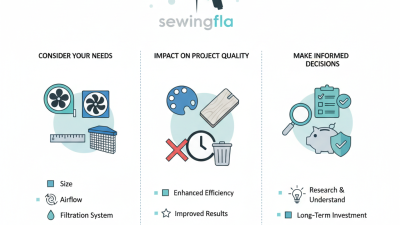
When selecting a paint booth in 2026, several key considerations can enhance your buying decision. Assessing energy efficiency is vital. Look for booths that offer advanced airflow systems. These systems ensure consistent spray patterns while minimizing overspray, ultimately leading to better finishes and reduced waste.
Tips: Evaluate the booth's insulation and heating options. Proper insulation improves temperature control, impacting paint drying times. Keeping energy costs low is beneficial for long-term use.
Safety features should be prioritized. Ensure the booth complies with safety regulations to protect workers. Features like explosion-proof lighting and proper ventilation are crucial. A safe working environment promotes productivity and decreases accidents.
Tips: Seek out models with integrated fire suppression systems. This adds an extra layer of protection. It also reflects a commitment to worker safety.
Accessibility of maintenance is another consideration. Design should allow easy access to filters and mechanical components. Regular maintenance keeps the booth running efficiently. Limited access can lead to operational delays and increased costs.
Tips: Consider planned maintenance schedules. This proactive approach may prevent unexpected breakdowns and increase your booth's lifespan. Investing time in maintenance pays off in the long run.
Essential Features of High-Performance Paint Booths for Global Markets
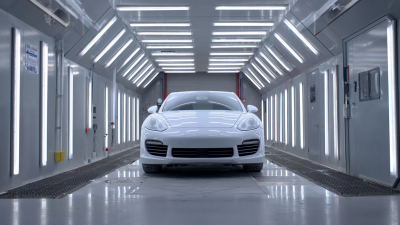
In 2026, high-performance paint booths are essential for global markets. These booths must have features that ensure efficiency, safety, and quality. A good paint booth includes excellent ventilation systems. This keeps air quality high and minimizes toxicity. Additionally, sound dampening materials can reduce noise during operations.
Incorporating energy-efficient lighting is vital. It improves visibility for detail work. Proper lighting also helps in spotting imperfections on painted surfaces. Advanced control systems allow for fine adjustments in temperature and humidity. This prevents issues with paint adhesion and curing.
Tips: Always assess the size of your booth for different project requirements. Consider ease of use when choosing control systems. Regular maintenance checks can prolong the lifespan of your paint booth and enhance performance. When selecting features, think about the long-term sustainability and how they align with current environmental standards. Your choice today impacts future operations.
Comparative Analysis of Paint Booth Technologies for Diverse Needs
The evolving landscape of paint booth technology offers diverse solutions tailored for various needs. Reports indicate that efficiency, safety, and environmental compliance are top priorities for buyers. According to recent industry studies, the demand for waterborne paint booths has surged by 35% over the past five years. These booths promote less volatile organic compound (VOC) emissions and align with global sustainability goals.
Tips: Consider your space. Choose a booth that fits your operational footprint. Proper sizing enhances airflow and ensures better finish quality.
Another key factor is the automation level. Advanced paint booths equipped with automated features can reduce labor costs and increase productivity. However, adopting such technology requires investment. A report from the Industrial Coatings Association highlights that 55% of businesses are hesitant to upgrade due to high initial costs. Reflecting on this, companies must weigh the long-term savings against upfront expenditures.
Tips: Assess the local regulations. Compliance should guide your equipment choice, impacting your operational viability and financial performance.
Safety Standards and Compliance Requirements for Paint Booths
When selecting a paint booth, safety standards and compliance requirements are crucial. Paint booths must adhere to regulations from organizations like OSHA and the EPA. These bodies set forth guidelines to ensure worker safety and environmental protection. The National Fire Protection Association (NFPA) also outlines specific protocols for flammable materials. In fact, according to a recent industry report, 30% of paint booth accidents are linked to non-compliance with safety standards.
Compliance often involves regular maintenance checks and air quality assessments. Proper ventilation is vital to minimize hazardous fumes. Reports indicate that 70% of air quality violations occur in inadequately ventilated booths. Thus, implementing an efficient filtration system is not just advisable—it's necessary.
Tip: Regular training for staff on safety protocols can significantly reduce risks. Educate them about emergency procedures and the proper use of personal protective equipment (PPE).
Reflecting on outdated practices is essential. Some facilities still rely on old equipment that doesn't meet modern standards. Investing in upgrades can not only meet safety requirements but also improve overall efficiency. Prioritizing compliance is both a safety measure and a business imperative.
2026 Best Ideal Paint Booth Features for Global Buyers
| Feature |
Description |
Safety Standards |
Compliance Requirements |
| Airflow Management |
Ensures proper air circulation to prevent overspray and reduce hazardous fumes. |
OSHA Standards |
Compliance with local ventilation requirements. |
| Filtration System |
High-efficiency filters that trap pollutants and ensure clean air. |
HEPA Filters Certification |
Regular maintenance and filter replacement protocols. |
| Explosion Venting |
Design feature that allows explosion pressure to vent outside the booth. |
NFPA 33 Compliance |
Periodic testing of vent systems to ensure functionality. |
| Personal Protective Equipment (PPE) Area |
Designated space for workers to safely don/doff PPE. |
ANSI Standards |
Training on proper PPE usage and area maintenance. |
| Emergency Shut-off Systems |
Quick access buttons to halt operations in emergencies. |
OSHA Hazard Communication |
Signage and training for employees regarding emergency procedures. |
Future Trends in Paint Booth Design and Functionality for Buyers
Paint booth design is evolving to meet the needs of global buyers. Future trends highlight a shift towards energy efficiency and sustainability. According to a recent industry report, energy-efficient paint booths can reduce operational costs by up to 30%. Many buyers now prioritize booths designed with materials that minimize waste and lower emissions.
In addition to environmental concerns, technology integration is key. Features such as automated monitoring systems are becoming standard. These systems provide real-time data on temperature and humidity, ensuring optimal conditions for paint application. A study shows that booths equipped with these technologies improve finish quality by over 20%.
However, not all advancements are seamless. Transitioning to high-tech solutions can be daunting for smaller operations. Training staff to use new equipment requires time and resources. Balancing innovation with practicality remains a challenge for many buyers. Understanding these dynamics is crucial for making informed decisions in the evolving paint booth market.