How to Choose the Right Spray Booth Filters in 2026

Choosing the right spray booth filters in 2026 requires more than comparing prices or capture ratings. A filter may look efficient on a clean test panel, then load quickly under heavy primer overspray. Real selection depends on paint chemistry, booth airflow, production volume, and maintenance discipline. The U.S. EPA’s 2023 National Emissions Inventory shows that industrial coating activities remain important sources of volatile organic compounds and particulate emissions. That context matters. Poor filtration can affect air quality, finish quality, worker exposure, and equipment life.

Standards provide a useful technical foundation. OSHA 29 CFR 1910.94 addresses ventilation for spray-finishing operations, while NFPA 33 provides widely used safety guidance for spray application. ISO 16890 also offers a recognized method for classifying general ventilation filters by particulate efficiency. However, these references do not identify one universal product. They help define the performance boundary. A booth applying solvent-based automotive coatings may need staged filtration, fire-resistant media, and frequent pressure checks. A furniture operation using waterborne products may require a different loading strategy. Small details matter.

Measure actual pressure drop.

This guide uses manufacturer data, field experience, and current industry guidance to examine filter media, efficiency, airflow stability, and replacement intervals. Some recommendations will remain judgment calls. There is no perfect filter for every booth. Even experienced teams can underestimate humidity, uneven loading, or operator habits. The practical goal is not choosing the most expensive filter. It is choosing a reliable system that protects the finish, supports safe airflow, and performs consistently through 2026.

How to Choose the Right Spray Booth Filters in 2026

Understanding Spray Booth Filter Types and Their Functions

How to Choose the Right Spray Booth Filters in 2026

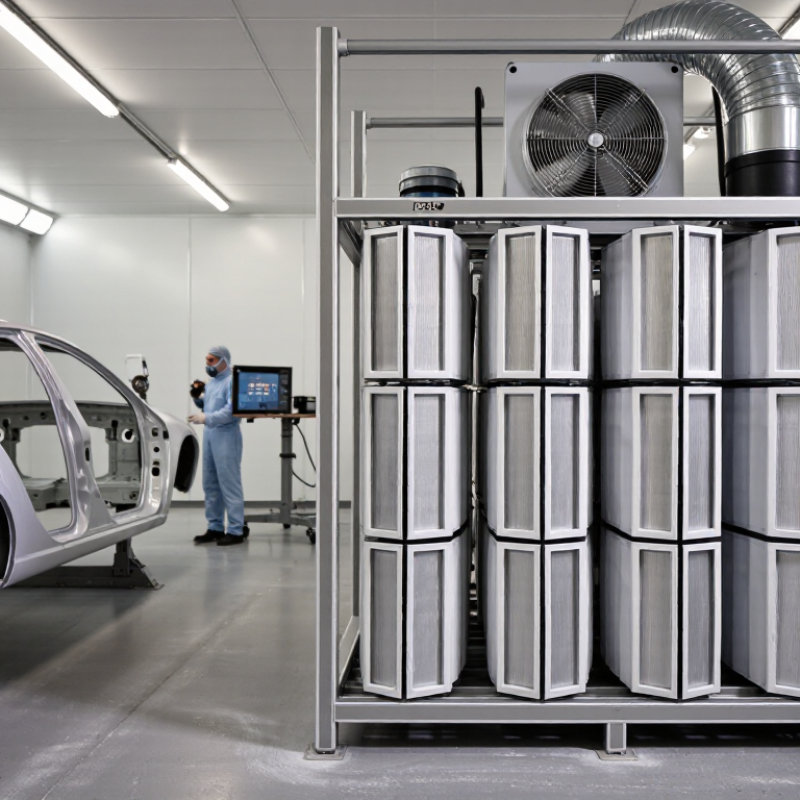
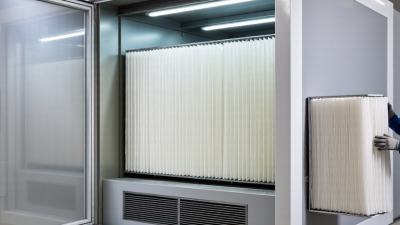
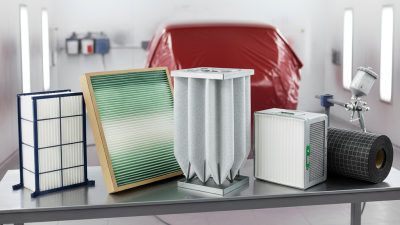
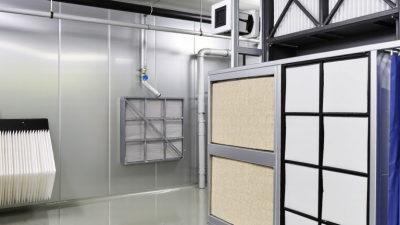
Understanding filter types begins with the particles they must capture. Overspray filters trap wet paint droplets before they reach the exhaust system. Fiberglass pads suit routine coating work and provide low airflow resistance. Pleated filters hold more dust within a smaller area. Their deeper media can extend service life. Paper filters work well for lighter overspray and quick replacement. They are not ideal for every coating process. I have seen operators choose by price, then replace filters twice as often.

Final-stage filters serve a different function. They protect fans, ducts, and outdoor air from finer particles. High-efficiency filters may follow a primary filter, especially in controlled finishing areas. The U.S. EPA AP-42 emission-factor data shows that capture performance changes with booth design, coating material, and filter loading. OSHA guidance commonly places spray-booth face velocity near 100 feet per minute for open booths. Poorly loaded filters can reduce that airflow quickly. Check pressure drop with a calibrated gauge. Do not trust appearance alone.

ISO 16890 rates air filters by particulate-size efficiency, rather than one broad efficiency number. That makes comparison more practical. A 2024 industrial air-filtration market report estimated the global sector above 7 billion U.S. dollars. Demand is rising, but replacement schedules remain highly site-specific. Temperature, solvent content, humidity, and production volume all matter. My own preference is conservative selection. Still, that approach can waste media. Measure pressure drop, inspect the exhaust, and revise the specification when actual conditions disagree.

Matching Filter Performance to Paint, Coating, and Booth Requirements

How to Choose the Right Spray Booth Filters in 2026

Filter selection should begin with the coating, not the catalog number. Waterborne paint usually creates a different overspray pattern than solventborne enamel. High-solids coatings can load a filter quickly. Powder coating also requires dedicated collection equipment, not a typical wet-paint filter.

EPA AP-42, Chapter 4.2, identifies solids content, application rate, and transfer efficiency as key emission variables. These factors should guide filter capacity and replacement intervals. Booth airflow matters too. NFPA 33, 2024 edition, addresses ventilation, filter placement, and fire protection for spray applications. A filter with high capture efficiency may still perform poorly if airflow becomes restricted. Watch the pressure gauge, inspect the filter face, and record operating hours.

Tips: Do not choose filters by MERV rating alone. Check capture efficiency, dust-holding capacity, pressure-drop data, and compatibility with the coating. Measure the booth’s actual airflow with a calibrated instrument. A clean filter should produce even suction across the work area. I have seen operators replace filters by calendar date, even when loading was visibly uneven. That habit wastes material. Still, pressure readings are not perfect. Overspray can collect behind frames or around damaged seals. Inspect those areas directly. EPA emission calculations are useful, but real booth conditions need field verification.

How to Choose the Right Spray Booth Filters in 2026 - Matching Filter Performance to Paint, Coating, and Booth Requirements

Typical filter-selection guidance for industrial spray-painting and coating applications. Verify final specifications against the booth manufacturer, coating safety data sheet, and applicable local regulations.

Coating or Paint Type Typical Booth Requirement Recommended Primary Filter Media Optional Final-Stage Filter Typical Particle-Capture Range Typical Initial Pressure Drop Common Replacement Trigger Important Selection Consideration
Solvent-Based Liquid Paint Crossdraft or downdraft booth with continuous overspray capture and explosion-safe airflow design. Pleated fiberglass paint-arrestor pads or multilayer synthetic paint-arrestor media. High-efficiency synthetic pocket or rigid-panel filter when exhaust cleanliness requires additional protection. Approximately 95–99% for overspray particles, depending on loading and test method. 40–100 Pa when clean, depending on media thickness and face velocity. Replace when pressure drop approaches the booth's approved limit or airflow falls below the required range. Confirm solvent compatibility, flame-retardant construction, and safe disposal requirements for solvent-loaded media.
Waterborne Paint Standard liquid-paint booth with sufficient airflow to control moisture and maintain a stable spray pattern. High-capacity synthetic media or layered polyester paint-arrestor filter. Fine synthetic final filter where exhaust cleanliness or downstream fan protection is important. Approximately 90–98% for typical overspray particles. 35–90 Pa when clean. Replace when visibly loaded, tacky, damaged, or when measured airflow decreases below the design value. Select moisture-tolerant media that will not sag or collapse during humid operation or extended drying cycles.
High-Solids or Low-VOC Coating High-capacity booth filtration designed for heavier, more viscous overspray loading. Deep-pocket fiberglass or multilayer synthetic media with high dust-holding capacity. Rigid final-stage filter or high-capacity bag filter, if required by the exhaust system. Approximately 95–99% for captured overspray, subject to coating viscosity and spray equipment. 50–120 Pa when clean. Replace when the filter reaches the permitted final pressure drop or coating buildup reduces usable airflow. Prioritize loading capacity and structural rigidity over the lowest initial pressure drop.
Clearcoat Clean spray environment with consistent airflow to minimize dust, fibers, and finish defects. Fine-fiber synthetic paint-arrestor media with sealed edges and uniform pleat structure. Fine final filter or high-efficiency rigid-panel filter upstream of the exhaust fan. Approximately 95–99% for overspray particles within the filter's rated test range. 45–100 Pa when clean. Replace at the approved pressure-drop limit or whenever surface defects, visible bypass, or filter damage occurs. Use low-shedding media and inspect the frame seal to prevent unfiltered air bypass.
Primer and Surfacer High-loading liquid-paint booth capable of handling larger amounts of solids and coarse overspray. Progressive-density fiberglass or synthetic paint-arrestor media. Coarse-to-fine staged filtration where fan and duct protection is required. Approximately 90–98% for typical primer overspray. 40–110 Pa when clean. Replace based on pressure drop, visual loading, or reduced booth capture performance. Choose high dust-holding capacity because primers can load filters quickly during heavy application.
Powder Coating Overspray Dedicated powder booth with cartridge or cyclone recovery and designed powder-containment airflow. Antistatic polyester cartridge filter or conductive filter media approved for powder service. Secondary cartridge or safety filter if required to protect the exhaust fan and prevent powder escape. Typically 99% or higher for the specified particle-size range when correctly installed and maintained. 500–1,500 Pa for cartridge systems, depending on design and cleaning cycle. Clean or replace according to differential-pressure limits and the cartridge-cleaning system's operating instructions. Control static electricity, grounding, combustible-dust risk, and powder compatibility before selection.
Wood Finish, Stain, or Lacquer Liquid-finishing booth with strong overspray capture and protection against fine finish contamination. Fine synthetic or fiberglass paint-arrestor media with high holding capacity. Fine final filter for facilities requiring cleaner exhaust air or reduced downstream residue. Approximately 95–99% for captured liquid overspray. 40–100 Pa when clean. Replace when saturated, tacky, visibly damaged, or above the approved pressure-drop limit. Check compatibility with solvents, oils, stains, and any combustible-vapor control requirements.
Abrasive or Metallic Coating Heavy-duty booth with robust prefiltration and protection against abrasive or conductive particulate. Heavy-duty polyester or fiberglass prefilter followed by a suitable high-capacity stage. Rigid-panel or cartridge final stage selected for the actual particulate hazard and airflow volume. Approximately 95–99% when the complete staged system is correctly rated. 75–180 Pa for prefilter stages; final-stage values vary by filter design. Replace when abrasion, puncture, excessive dust loading, or high differential pressure is observed. Assess conductivity, spark risk, particle hazard, and resistance to mechanical damage.

Selection Notes

Pressure-drop values are typical clean-filter ranges and vary with airflow, filter dimensions, media construction, and test conditions.

Filter efficiency should be evaluated together with booth face velocity, airflow balance, overspray loading, filter sealing, and exhaust-system requirements.

Do not use a filter solely because it has a higher efficiency rating; excessive resistance can reduce booth capture performance and create unsafe operating conditions.

Evaluating Airflow, Capture Efficiency, and Filtration Standards

Choosing a spray booth filter starts with airflow, not a product label. The booth must maintain stable air movement across the work zone. Uneven airflow can leave paint mist floating near corners. Measure face velocity with a calibrated instrument, then compare readings across the intake and exhaust areas. A manometer also shows pressure loss as the filter loads. Small details matter.

Capture efficiency depends on booth design, spray technique, and filter condition. A highly efficient filter cannot compensate for poor air balance or excessive spray distance. During field inspections, I have seen clean-looking filters perform badly because air bypassed the frame. Seal gaps carefully. Check them often. Replace media when pressure drop reaches the equipment manufacturer’s limit, not only when the filter looks dirty.

Filtration standards help compare performance, but they need careful interpretation. ISO 16890 classifications apply mainly to general ventilation filters, while paint arrestor media may require application-specific testing. Review efficiency data, particle size ranges, pressure drop, and test conditions together. Also confirm requirements from applicable occupational, fire, and environmental authorities. Documentation should identify the test method and filter disposal guidance. A specification that sounds precise may still omit real booth conditions. That is where judgment remains necessary.

Comparing Filter Materials, Service Life, and Replacement Costs

Choosing the right spray booth filter starts with the material, not the price tag. Fiberglass filters are affordable and capture overspray effectively. Their layered structure holds wet particles well, but performance falls quickly when the surface becomes saturated. Polyester filters usually offer stronger resistance to moisture and tearing. They may last longer in demanding operations, although the initial cost is higher. Paper filters suit lighter applications and controlled environments. They can clog sooner when coating volume changes.

Service life depends on paint load, airflow, humidity, and booth cleaning habits. In practical inspections, a filter may look usable while airflow has already weakened. A rising pressure reading is more reliable than appearance alone. Record replacement dates and pressure changes. This creates useful evidence for future purchasing decisions. Replacement cost includes labor, disposal, downtime, and wasted coating. A cheap filter that requires weekly replacement can cost more than a durable filter changed monthly. The cheaper option can become expensive fast.

Tips: Compare total cost over six months, not one purchase. Measure each filter before ordering. Check the frame, thickness, and airflow rating. Keep a spare set sealed and dry. Do not stretch service life too far; overloaded filters can strain fans and produce uneven finishing. I have seen teams replace filters too late because the booth still “felt” operational. That judgment is understandable, but incomplete. Use inspection records and airflow readings together. Safety and finish quality should guide the final choice.

Creating a 2026 Filter Selection and Maintenance Plan

A reliable 2026 filter plan starts with the booth, not a shopping list.

Record coating chemistry, spray volume, airflow, temperature, and operating hours. These details reveal whether the booth needs prefilters, exhaust filters, or both. Match each layer to the contaminant size and expected loading. Check the filter’s capture rating, pressure-drop range, moisture resistance, and disposal instructions.

A cheap filter can become expensive when airflow falls early.

Measure baseline pressure with clean filters and a calibrated gauge. Log pressure every shift, or at least daily during heavy production. Replace filters when readings approach the equipment limit, not only when they look dirty. Visual checks miss embedded overspray.

They do. Inspect seals, frames, fan belts, and intake screens during each change. Small leaks can carry dust past an otherwise suitable filter. Keep spare filters dry, sealed, and clearly dated.

Build a monthly review around actual data. Compare pressure trends, finish defects, cleaning time, and filter usage. If filters clog faster than planned, investigate spray technique, excess material, humidity, or damaged prefilters.

Our first schedule was too optimistic. Production changes exposed that mistake.

Revise intervals carefully, while following equipment instructions and applicable workplace requirements. Train operators to record readings consistently. A simple logbook often outperforms memory.

Unusual odors, visible emissions, or unstable airflow require immediate inspection by qualified personnel.

Open chat
Scan the code
Bendet Sales Assistant
Hi There👋,
Thank you for visiting our website, How can I help you?