


Best Paint Booth Filters for Optimal Performance and Efficiency?

In the automotive and manufacturing industries, maintaining air quality is critical. This is where paint booth filters come into play. These filters are essential for trapping harmful particles and ensuring a clean working environment. According to a 2022 industry report, poor air filtration in paint booths can lead to defects in paint finishes, with up to 30% of projects reporting rework due to contamination.

The right paint booth filters enhance both performance and efficiency. By investing in high-quality filtration systems, businesses can reduce waste and improve product quality. A 2023 study highlighted that effective filters could increase paint application efficiency by 20%. However, not all filters are created equal. Many companies overlook the need for regular maintenance, leading to diminished performance over time.

Choosing the best paint booth filters requires expertise and understanding of specific operational needs. Businesses must reflect on their current practices and evaluate the effectiveness of their filtration systems. Ignoring this could result in costly errors and decreased productivity. The selection of the right filters is vital for a reliable and high-performing paint booth.
Best Paint Booth Filters for Optimal Performance and Efficiency?

Understanding the Importance of Paint Booth Filters in Air Quality

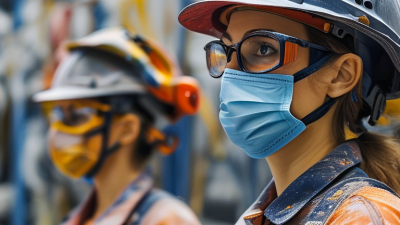
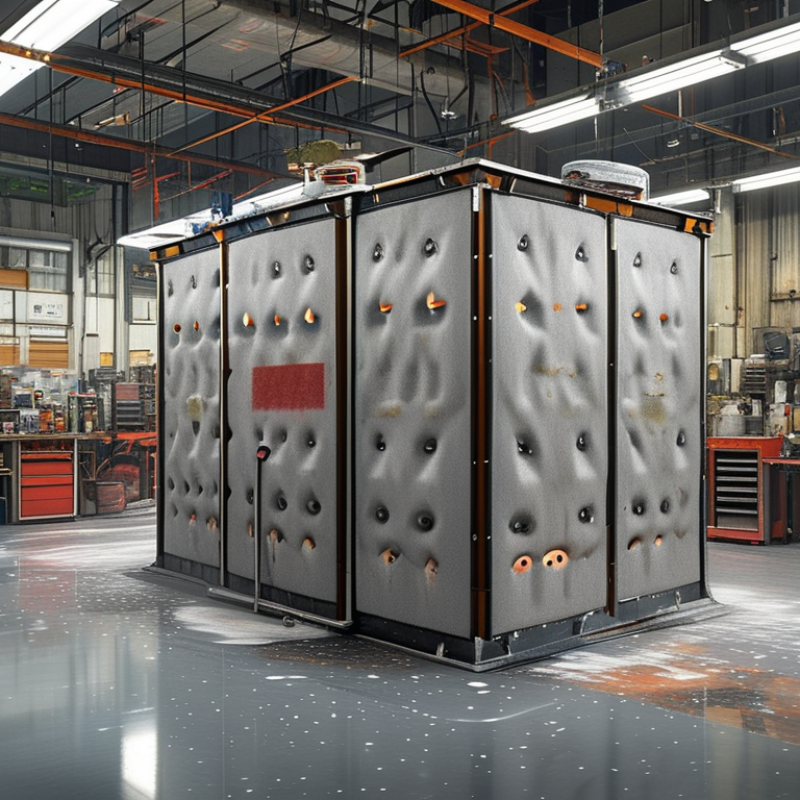
Paint booth filters play a crucial role in maintaining air quality during spray painting operations. These filters capture harmful particles and vapors, ensuring a safer environment for workers. A clean air supply minimizes the risk of respiratory issues. By filtering out hazardous materials, these systems promote healthier conditions in the workspace.

Many businesses overlook the significance of proper filter selection. Choosing the right filter can seem overwhelming but it's essential for optimal performance. Filters come in various types, such as HEPA or activated carbon. Each type has its specific strengths and weaknesses. Regular maintenance is also vital for their efficiency. Dirty or clogged filters can increase airborne contaminants.

Investing time and attention in filter management can pay off. Effective filters can reduce the need for costly ventilation systems. They can also enhance finish quality by reducing overspray. While it may seem like a minor aspect of the paint process, filter performance profoundly impacts overall air quality. Ensuring you have the right filtration in place can be a game changer.
Types of Paint Booth Filters: Explanation and Comparison

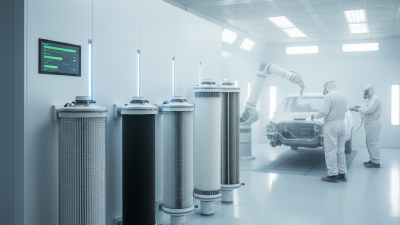
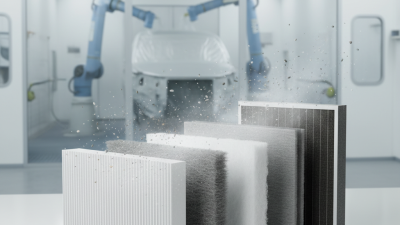
When considering paint booth filters, understanding the types available is crucial for efficiency. Common options include particulate filters, activated carbon filters, and electrostatic filters. Each type serves a specific purpose in protecting the environment and ensuring optimal performance. Particulate filters are essential for capturing dust and larger particles, effectively improving air quality within paint booths.

Activated carbon filters go a step further by absorbing volatile organic compounds (VOCs) emitted during painting. Research indicates that properly selected filters can remove over 90% of these harmful substances, significantly impacting worker safety and health. Electrostatic filters utilize static electricity to attract and trap particles, boasting high efficiency and longevity. However, they may require more maintenance compared to traditional filters, raising questions about ongoing costs and effectiveness.

Moreover, the choice of filter affects airflow and booth operation. Filters that are too dense can impede airflow, decreasing overall performance. Regular monitoring of filter conditions is necessary; overlooked maintenance can lead to reduced efficiency and increased energy consumption. Balancing filter selection with operational needs is key to achieving optimal performance in paint booths.

Best Paint Booth Filters for Optimal Performance and Efficiency

Key Features to Look for in High-Performance Paint Booth Filters

When selecting paint booth filters, several key features enhance performance and efficiency. Airflow efficiency is crucial. Filters should allow optimal airflow while trapping particles effectively. Consider filters with graded density, which help capture smaller particles. A layered design can improve both filtration and airflow, ensuring that the paint booth maintains a consistent environment.

Another important aspect is the filter material. Choose materials that resist clogging and hold up under high humidity and temperature. Filter lifespan is vital too; longer-lasting filters save time and reduce maintenance efforts. It's worth noting that some filters do require regular monitoring. Neglecting to check can lead to inefficient performance and increased operational costs.

Consider the ease of installation and replacement as well. Filters should fit snugly without needing excessive adjustments. Improper fit can lead to bypassing of air, losing filtration efficiency. Reflect on your needs; a more complex filter may not always be the best choice for smaller operations. Assessing these factors will lead to better decision-making for optimal paint booth efficiency.

Maintenance Tips for Ensuring Filter Efficiency and Longevity

Maintaining paint booth filters is crucial for optimal performance. Regular maintenance ensures that filters capture contaminants effectively. Industry research shows that a clean filter can improve airflow by up to 25%. This boost can lead to a more efficient operation, reducing energy costs.

Replacing filters on a schedule is important. According to studies, filters should be checked at least once a month. If you notice a decrease in airflow, it may be time for a change. Keeping a maintenance log can help track filter performance and replacement dates.

Cleaning practices can also extend filter life. A simple method is to use compressed air to remove debris. However, this can be tricky. Over-cleaning might damage filter material. It’s essential to strike a balance. Monitoring the filter's condition regularly can save costs in the long run. Ignoring maintenance might lead to expensive repairs or reduced efficiency.

Best Practices for Choosing the Right Filter for Your Application

Choosing the right paint booth filter is crucial for performance and efficiency. The filter must fit the specific application to ensure optimal results. Consider the type of paint and the environmental conditions in your booth. A filter that captures particles effectively will enhance air quality and product finish.

Consider the MERV rating when selecting filters. A higher MERV rating means better particle filtration. However, more efficiency can reduce airflow, leading to increased strain on your equipment. Monitor the pressure drop across the filter regularly. This provides insight into when to change it, preventing performance loss.

Don’t overlook the filter's installation process. An improper setup can lead to leaks and reduced effectiveness. Qualify the dimensions and seals before purchasing. Additionally, evaluate the maintenance frequency based on your usage and environmental factors. Regular checks can help identify wear and tear before problems arise. Always keep an eye on how changes in paint viscosity may affect filter lifespan.

Open chat
Scan the code
Bendet Sales Assistant
Hi There👋,
Thank you for visiting our website, How can I help you?