




Choosing the right paint booth filters is crucial for maintaining air quality and ensuring optimal performance. The filters you select directly impact the efficiency of your paint booth. High-quality filters help eliminate harmful particles and fumes released during the painting process. It’s essential to understand different types of filters available.
Many factors influence your decision. Consider the filter's material, efficiency, and lifespan. Some filters might trap larger particles but not fine mist. This can result in overspray and a less-than-perfect finish. It is also important to regularly replace them. Neglecting maintenance can lead to contamination and decreased airflow, affecting overall safety and productivity.
Reflecting on your needs and environment is critical. If your workspace has specific challenges, some filters may perform better than others. Investing time in research pays off. Ensure that the paint booth filters you choose meet industry standards. This guarantees reliability and efficiency in your painting operations.
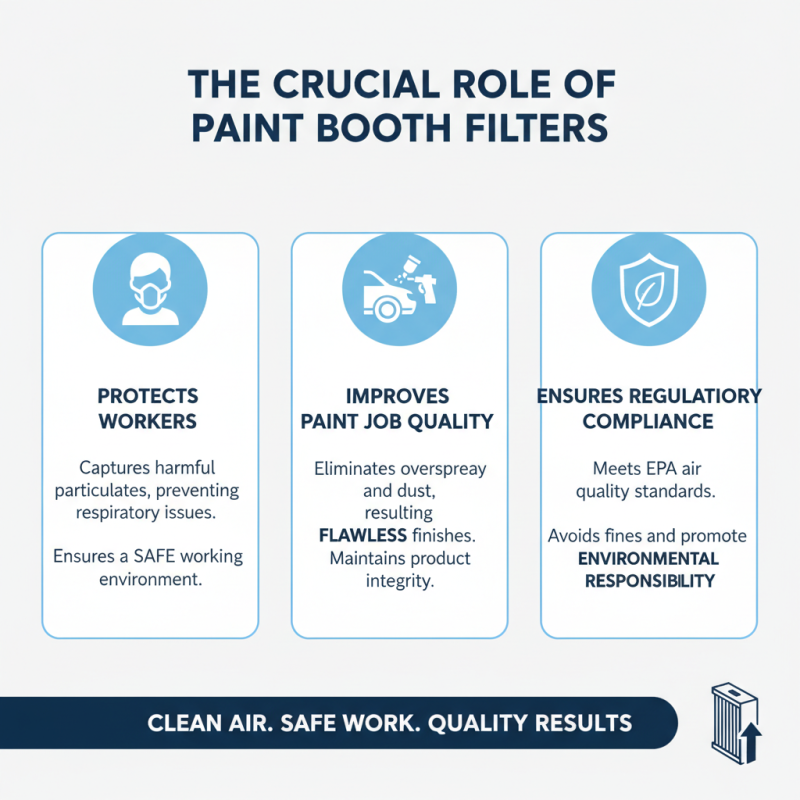
Paint booth filters play a crucial role in maintaining air quality and ensuring a safe working environment. By capturing harmful particulates and overspray, these filters protect both the workers and the integrity of the paint job. According to the EPA, poor air quality can lead to serious health issues over time, making the choice of filters essential for compliance with safety regulations.
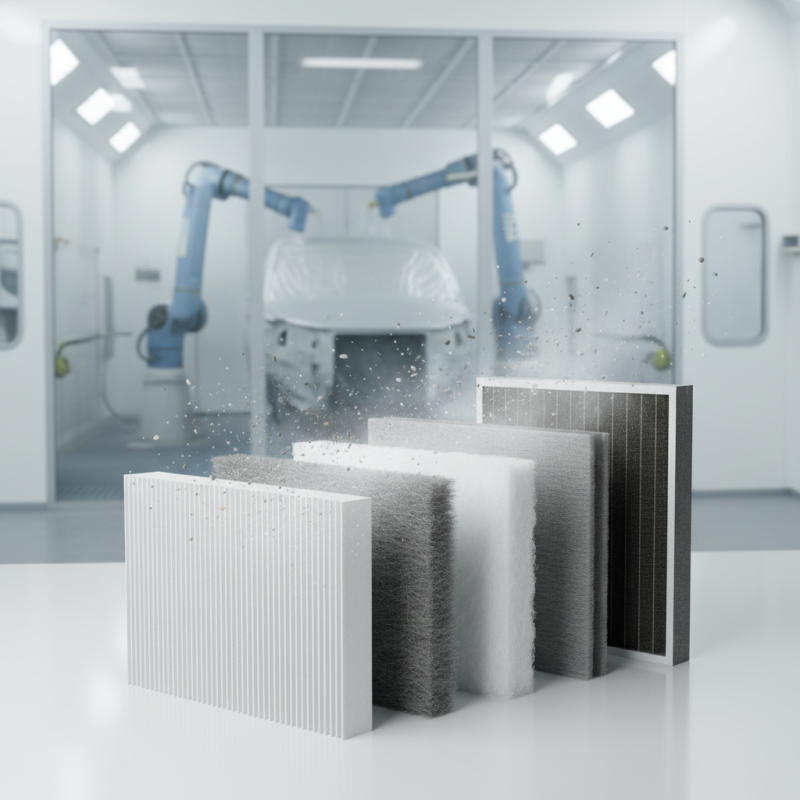
Selecting the right paint booth filters requires understanding their types and functions. For instance, fiberglass filters are commonly used for their efficiency in trapping large particles, while HEPA filters can capture smaller, hazardous particulates. Data from industry reports suggests that proper filtration can reduce airborne contaminants by up to 98%. This highlights the effectiveness of high-quality filters in paint booths.
When choosing filters, consider these tips: Check the MERV rating. A higher rating indicates better filtration. Look at the filter's capacity to withstand airflow. Filters may clog quickly, reducing efficiency. Regular maintenance is also vital. Replace filters as recommended to maintain optimal performance. Overlooking this can lead to increased emissions and lower paint quality, causing costly rework.
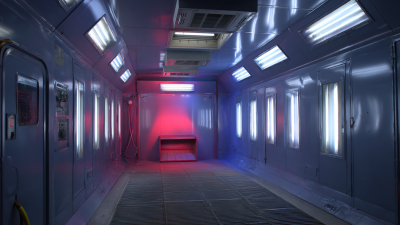
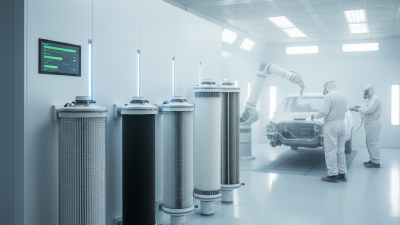
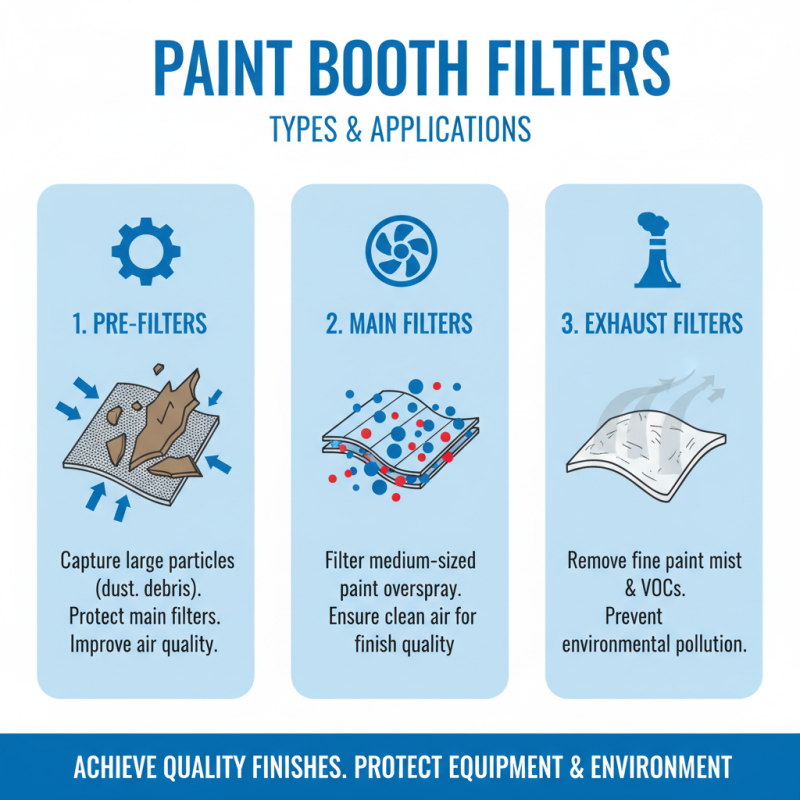
Choosing the right paint booth filters is crucial for achieving quality finishes. Several filter types serve different functions in the paint booth environment. Pre-filters capture large particles before they reach the main filters. These often remove dust and debris, helping maintain clean air.
Main filters, typically made of fibrous materials, are essential for capturing smaller particles. According to a 2021 report by the American Society of Heating, Refrigerating and Air-Conditioning Engineers (ASHRAE), a higher MERV rating indicates better filtration efficiency. Filters with MERV ratings of 8 to 13 are common for paint booths, effectively trapping paint overspray.
When choosing filters, consider airflow. Filters can restrict airflow, affecting booth performance. Use a differential pressure gauge to monitor filter condition. Replace filters regularly to maintain efficiency. Regular checks ensure compliance with VOC (volatile organic compounds) regulations. Failure to do so can lead to poor air quality and health risks for workers.
Do not overlook the importance of proper installation. Incorrectly installed filters can lead to bypass, allowing contaminants into the booth. Always follow manufacturer guidelines for setup. Doing so can enhance filter lifespan and maintain optimal function in the booth.
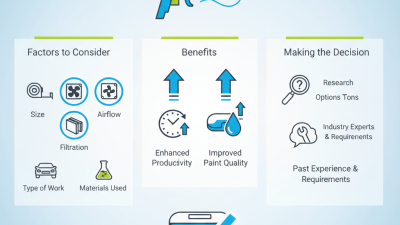
When choosing paint booth filters, key factors play a significant role in ensuring effective performance. Consider the air quality in your workspace. You need filters that can capture a wide range of airborne contaminants, including dust and overspray. A filter with a higher efficiency rating tends to provide better protection and cleaner air.
Also, think about the type of paint processes you use. Different materials require different filter specifications. For instance, water-based paints may not require the same filters as solvent-based ones. The choice can affect both air quality and your booth's operational efficiency.
Maintenance schedules should also be part of your decision. Some filters need frequent changes, while others can last longer. A filter that clogs quickly can compromise your booth's performance. Reflecting on your workflow will help you select filters that not only meet your needs but also fit your maintenance capabilities.
When it comes to maintaining paint booth filters, regular inspection is crucial. A study by the Environmental Protection Agency indicates that proper filter maintenance can improve air quality by up to 50%. Filters help to remove harmful particulates and fumes, but dirty or clogged filters may restrict airflow. This can lead to poor paint application and costly rework.
Replacement schedules should be based on usage and environmental conditions. According to industry standards, filters should be checked weekly in high-use areas. If a noticeable drop in performance occurs, a replacement should happen immediately. In some cases, filters may need replacing every month to maintain optimal conditions. Industry reports reveal that neglecting this can reduce efficiency by 30%.
It's important to choose the right filters that align with your specific booth requirements. Not all filters perform equally, especially under different paint types and finishes. There are various filtration levels—some targeting larger particles while others filter out finer pollutants. A mismatch can lead to excess waste and downtime. Decision-makers often overlook this aspect, leading to dissatisfaction with results.
When selecting paint booth filters, it’s essential to consider environmental and safety regulations. These regulations vary widely based on location and industry. Compliance is crucial for any business operating in this field. Each regulation guides the choice of materials used in filters. Different regions may have stricter standards for emissions, impacting filter selection directly.
Additionally, understanding the specifics of the regulations can help in making informed decisions. For instance, particulate filters must meet certain efficiency standards. Failure to comply can lead to fines or even shutdowns. It's crucial to stay up to date with local regulations; they can change frequently.
Consulting with professionals who specialize in environmental regulations can offer valuable insights. Their knowledge can help ensure that your filters not only meet requirements but also operate efficiently. Investing time in research is necessary. Sometimes, the cheapest option may not be the most compliant or effective. Consider the long-term impacts of your choices. Making informed decisions boosts reliability and safety.
Hein Minnie
Cell nr: +27 (0) 82 564 6501
Email: sale@thecirclemachine.com
Hein Minnie Jnr
Cell nr: +27 (0) 84 284 7234
Email: sale@thecirclemachine.com
Address:
10 Apsey Street,
Heidelberg,
Gauteng,
1441
Bendet Engineering Services (PTY) LTD was established in 1987. Our team of engineers and draughtsman are ready to deliver a complete turnkey solution, from the design phase to commissioning. A dedicated team that consists of electrical, mechanical and industrial engineers, we are able to offer a comprehensive service to our clients.