
In today's competitive marketplace, mastering powder coating techniques is essential for success. This process enhances durability and aesthetics. Global buyers face the challenge of selecting the best methods to suit their needs. Each technique has its own advantages and disadvantages.
Understanding powder coating is vital for making informed decisions. Buyers must evaluate factors like cost, efficiency, and environmental impact. Choosing the right method can significantly impact product quality. However, navigating this landscape isn’t simple. Many buyers lack access to expert guidance.
Exploring the top 10 powder coating techniques can lead to better-informed choices. These techniques vary in application and technology. Some may promise advanced results but come with hidden costs. Recognizing these nuances helps buyers avoid pitfalls. Engaging with industry experts can provide valuable insights for optimizing powder coating practices.
Powder coating is a widely used finish that offers durability and aesthetics. Global buyers looking for techniques must consider various methods that suit their specific needs. Different techniques can produce distinct results, impacting durability, appearance, and cost-effectiveness.
The electrostatic spray method is popular for its efficiency. It uses an electric charge to attract powder particles to a grounded surface. This can lead to even coverage, but the potential for overspray can increase material costs. A fluidized bed technique is also noteworthy. In this method, parts are preheated and dipped into a bed of fluidized powder. This can result in thicker coatings but requires careful temperature control to avoid imperfections.
Choosing the right technique involves assessing the specific requirements of a project. Factors such as the intended use of the finished product and environmental conditions play vital roles. Some methods, while effective, may leave room for improvement. For example, a traditional spray system may not achieve the same results on complex shapes as it would on flat surfaces. Understanding these nuances can guide buyers towards optimal decisions.
Powder coating is a popular finishing process that improves durability. It involves applying a dry powder to a surface and then curing it under heat. This process creates a strong, resilient coating that is resistant to chipping, scratching, and fading. Understanding the basics of powder coating helps global buyers make informed decisions.
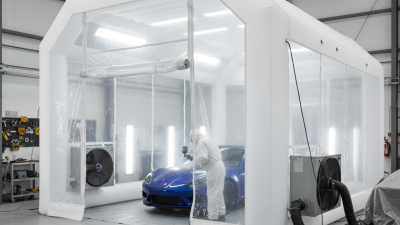
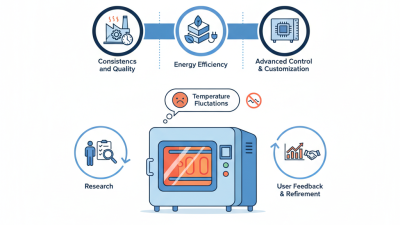
The process starts with surface preparation, which is crucial. A clean surface ensures better adhesion of the powder. After preparation, the powder is applied using electrostatic spray guns. This technique charges the powder particles, allowing them to bond to the surface effectively. Once coated, the item is heated in an oven, which causes the powder to melt and form a continuous film. This step is vital, as improper curing can lead to defects in the finish.
Despite its advantages, powder coating has its challenges. Not all surfaces are suitable for this technique. Some complex shapes may require special considerations. Additionally, color matching can be tricky, especially for intricate designs. Buyers need to weigh these factors when considering powder coating as an option. Each step in the process is essential, and understanding these details can lead to better, more satisfying results.
The global powder coating market is expected to reach $25 billion by 2026, showcasing a significant increase from previous years. As industries continue to prioritize durability and sustainability, powder coating technologies have become essential. Statistics indicate a compound annual growth rate (CAGR) of 6% from 2021 to 2026, driven by rising demand in automotive and architectural applications.
The Asia-Pacific region dominates the market, accounting for over 40% of global usage. Countries like China and India are leading, reflecting industrial growth and urbanization. Conversely, while Europe and North America hold substantial shares, they face challenges related to regulatory compliance and environmental concerns. Reports suggest that only 30% of manufacturers adapt to new regulations swiftly.
Innovation in powder coating techniques is crucial. For instance, the emergence of hybrid powder coatings blends different materials to improve performance. While this advancement is promising, many manufacturers struggle with the transition. Training staff and updating equipment can be daunting. Addressing these challenges is vital for maintaining a competitive edge in the evolving landscape.
Powder coating is gaining traction globally due to its durability and environmental advantages. Among the various techniques, understanding their strengths and limitations is crucial. For instance, electrostatic spray deposition offers uniform coverage but can have overspray issues. Conversely, fluidized bed coating is thick and durable but may lack finesse in detail.
One study by the Powder Coating Institute shows that about 70% of manufacturers report improved corrosion resistance using advanced powder coating techniques. However, preparation and curing can be time-consuming. Buyers must weigh immediate costs against long-term benefits.
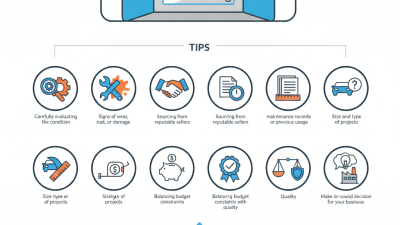
Tips: Always consider the specific application before choosing a technique. Some methods may require more frequent touch-ups. This could inflate costs over time. Regularly assess the substrate material as it notably affects coating adhesion and longevity. A thorough understanding of each technique’s shortfalls helps in making informed choices. Balancing quality with budget while exploring innovative options is key in the evolving market.
The environmental impact of powder coating techniques is a crucial aspect for global buyers to consider. Many traditional coating methods release harmful solvents and emissions. In contrast, powder coatings are often more eco-friendly. They require no solvents, reducing harmful air pollutants. This process generates minimal waste, making it an attractive option for manufacturers aiming for sustainability.
Implementing eco-friendly practices, such as using energy-efficient curing systems, can significantly lower carbon footprints. Some companies leverage biodegradable materials in their processes, enhancing their commitment to the environment. However, not all powder coatings are created equal. Some formulations still contain harmful additives. Buyers need to investigate thoroughly and ask manufacturers for detailed information about their products. Transparency is vital for informed choices.
Choosing a supplier that prioritizes eco-friendly practices is essential. It may feel daunting, given the abundance of information. However, engaging with experts in the industry can provide valuable insights. As environmental awareness grows, the demand for sustainable solutions will likely increase. Buyers must stay informed about innovations and best practices to make responsible choices. Investing time in research can lead to more effective and sustainable powder coating solutions.
This article explores the top ten powder coating techniques that global buyers should be aware of, starting with a clear definition and the process behind powder coating. It delves into the current state of the global powder coating market, providing valuable statistics for 2023 to illustrate industry trends. The comparison of common powder coating techniques highlights their respective strengths and limitations, guiding buyers in making informed decisions.
Additionally, the article evaluates the environmental impact of powder coating practices, emphasizing eco-friendly approaches that are becoming increasingly important. Looking forward, it addresses future trends and innovations in the powder coating industry, offering insights into market predictions that could shape the landscape in the years to come. Overall, this comprehensive overview is designed to equip buyers with the necessary knowledge to navigate the evolving powder coating market effectively.
Hein Minnie
Cell nr: +27 (0) 82 564 6501
Email: sale@thecirclemachine.com
Hein Minnie Jnr
Cell nr: +27 (0) 84 284 7234
Email: sale@thecirclemachine.com
Address:
10 Apsey Street,
Heidelberg,
Gauteng,
1441
Bendet Engineering Services (PTY) LTD was established in 1987. Our team of engineers and draughtsman are ready to deliver a complete turnkey solution, from the design phase to commissioning. A dedicated team that consists of electrical, mechanical and industrial engineers, we are able to offer a comprehensive service to our clients.