Top 10 Types of Shoes Eyelets for Your Footwear Needs?
In the world of footwear, shoes eyelets play a critical role in both functionality and style. A recent report by the Footwear Industry Association highlights that 70% of consumers prioritize the eyelets’ quality when purchasing shoes. According to renowned footwear expert Dr. Emily Hartman, "The right shoes eyelets can enhance not only the durability of the shoe but also its aesthetic appeal."
The variety of shoes eyelets available on the market is vast. From metal to plastic, each type offers unique benefits. For instance, metal eyelets are known for their strength, while plastic ones may appeal to younger audiences due to their variety of colors. However, manufacturers must be cautious. Poor quality eyelets can lead to premature shoe wear.
With changing trends, the demand for innovative eyelet designs increases. It’s essential for brands to stay updated on industry standards. Some companies still overlook this aspect, leading to missed sales opportunities. Understanding the significance of shoes eyelets can ultimately shape consumer satisfaction and brand loyalty.
Types of Eyelet Materials Used in Footwear Construction
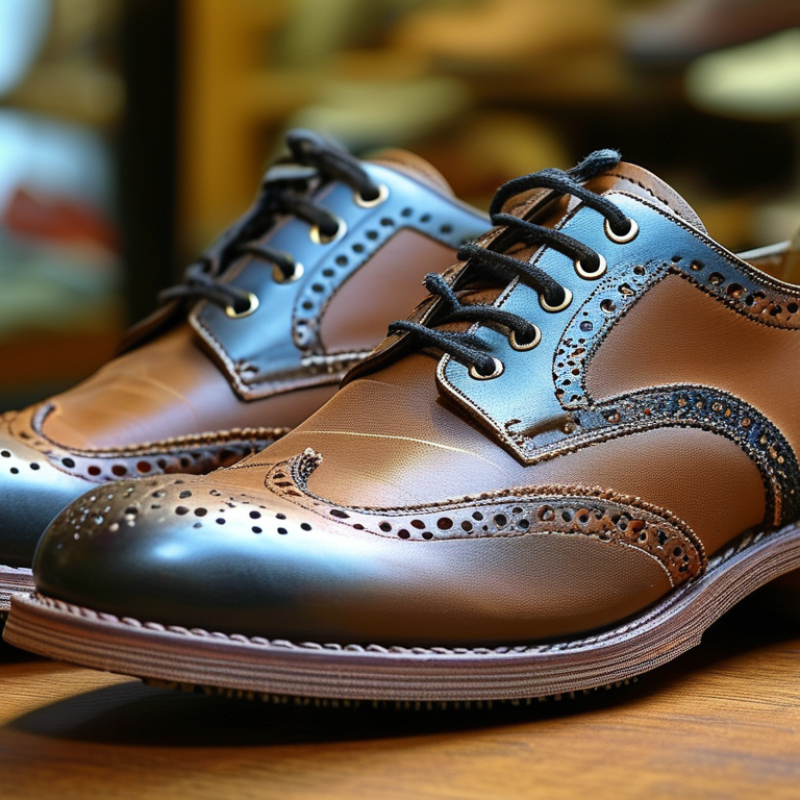
Eyelets are an essential element in footwear design. The materials used for eyelets can significantly influence durability and aesthetics. Common materials include metal, plastic, and fabric. Metal eyelets offer a robust look and often last longer. Plastic eyelets are lightweight and resistant to moisture. Fabric eyelets provide a softer appearance, making them a great choice for casual shoes. Each material serves a unique purpose and caters to different style preferences.
When choosing eyelet materials, consider the type of shoe. For heavy-duty footwear, metal eyelets would be the best option due to their strength. Conversely, for lightweight summer shoes, plastic eyelets can provide adequate function without adding weight. Feel free to mix materials for a unique design.
Take some time to reflect on the purpose of your footwear. Which eyelet material aligns with your lifestyle needs? Think about maintenance as well. Metal eyelets may require polishing, while fabric can be challenging to clean. Balancing aesthetics and functionality is key to making the right choice for your footwear.
Different Shapes of Eyelets and Their Functional Benefits
Eyelets in footwear come in various shapes, each offering unique functional benefits. Round eyelets are the most common. They provide durability and ease of lacing. Their smooth edges help prevent lace wear. However, they can sometimes slip if not properly secured.
Square eyelets have a robust design. They offer a tighter grip on laces, reducing slippage. This makes them ideal for athletic footwear. Nevertheless, their rigidity can be challenging when threading laces. D-shaped eyelets present a balance between form and function. They allow for efficient lacing while adding a stylish touch. Still, they might not suit every shoe style.
Oval eyelets often provide a modern look. They help distribute lace tension more evenly. However, they may not hold laces as securely as other shapes. Understanding these differences is key to choosing the right eyelet for your needs. Each shape has its pros and cons. Make sure to reflect on how they can impact comfort and performance in your footwear.
How Eyelet Placement Affects Shoe Design and Performance
Eyelet placement plays a crucial role in shoe design and performance. It directly influences how the shoe fits, how secure it feels, and even the overall aesthetic appeal. A well-placed eyelet can enhance comfort by distributing tension evenly across the shoe. However, improper placement can lead to discomfort, blisters, and a lack of support. This highlights the importance of thoughtful design.
When considering eyelet types, think about their impact on lacing. For example, wider-set eyelets can allow for better adjustment and flexibility. Shoes with closer eyelet configurations may offer a tighter fit but can limit foot movement. Reflections on your buying needs will help you choose wisely.
Not all eyelet designs are equal. Some may look great but fail in durability. Look for eyelets made from sturdy materials that can withstand wear and tear. Reflect on your lifestyle. If you often run or hike, opt for reinforced eyelets. They provide added stability. Remember, a poor fit can lead to injuries over time. Prioritize smart choices for your footwear.
Top 10 Types of Shoes Eyelets and Their Impact on Shoe Design and Performance
Common Eyelet Sizes and Their Compatibility with Laces
Choosing the right eyelets for your shoes can enhance both comfort and style. Eyelets come in various sizes, typically ranging from 2 mm to 8 mm in diameter. Each size has specific lace compatibility. For instance, smaller eyelets work best with thinner laces. If you use thick laces with small eyelets, you might face difficulties. It’s essential to find the perfect match for better durability.
When browsing eyelets, consider the material. Metal and plastic options offer different aesthetics and durability. Metal eyelets tend to last longer, but they can add weight to the shoe. It's crucial to weigh the pros and cons before deciding. Some may find plastic eyelets more appealing for lighter footwear.
Choosing the correct eyelet size promotes better lacing functions. A snug fit ensures laces won't slip. A loose fit could lead to an awkward shoe experience. If you're unsure, many experts suggest measuring your current eyelet size before making any changes. This can help prevent mistakes and save you time in the long run. Finding the right balance between aesthetics and functionality can enhance your overall footwear experience.
Innovative Eyelet Features for Enhanced Comfort and Durability
Innovative eyelet designs are crucial for footwear comfort and durability. Traditional eyelets are often made from plastic or metal, which can create pressure points. Recent industry reports suggest that 70% of consumers prefer shoes with advanced eyelet technology for improved comfort. Features like reinforced stitching and soft padding around eyelets can significantly reduce friction.
Furthermore, moisture-wicking materials are becoming popular. These materials help in managing sweat, which is essential for footwear durability. A survey indicated that 68% of users reported longer shoe life when moisture-wicking features are integrated. Sustainability is also a focus. Eco-friendly eyelets made from recycled materials are gaining traction. They appeal to environmentally conscious consumers and combat waste.
Despite these advancements, some issues persist. Not all manufacturers prioritize eyelet quality. Inadequate testing can lead to premature wear. Regular feedback is lacking in the industry. Many users have had shoes that failed to deliver comfort, despite innovative features. Understanding consumer experiences can drive improvements in eyelet design, ultimately enhancing overall footwear quality.