







Choosing the right sink drain plug is essential for any kitchen or bathroom. A quality sink drain plug ensures that water stays contained while also allowing for easy drainage. However, not all sink drain plugs are created equal. Homeowners often face confusion when selecting the best option for their sinks.
It’s important to consider factors such as material, size, and design. A perfect sink drain plug should fit securely and prevent leaks. Some plugs are easy to clean and maintain, while others offer innovative designs that enhance functionality. Be aware that a poorly chosen plug can lead to frustrations over time. A failed seal leads to water loss and, eventually, costly repairs.
Remember to assess your specific needs and do thorough research. Comparing different options helps. The right sink drain plug will provide peace of mind and long-lasting performance. Choose wisely, and your sink will serve you well for years to come.
When selecting a sink drain plug, understanding the different types available is crucial. A simple plug is one of the most common choices. These plugs often come with rubber or silicone materials, designed for standard drains. They are easy to use and offer a basic seal—ideal for quick tasks.
Another option is the mechanical pop-up drain plug. This type features a lever that opens and closes the drain. It offers convenience and can look sleek in modern sinks. However, you may find installation tricky, especially if the components don't align well. Additionally, maintenance can be a concern as mechanical parts may wear out over time.
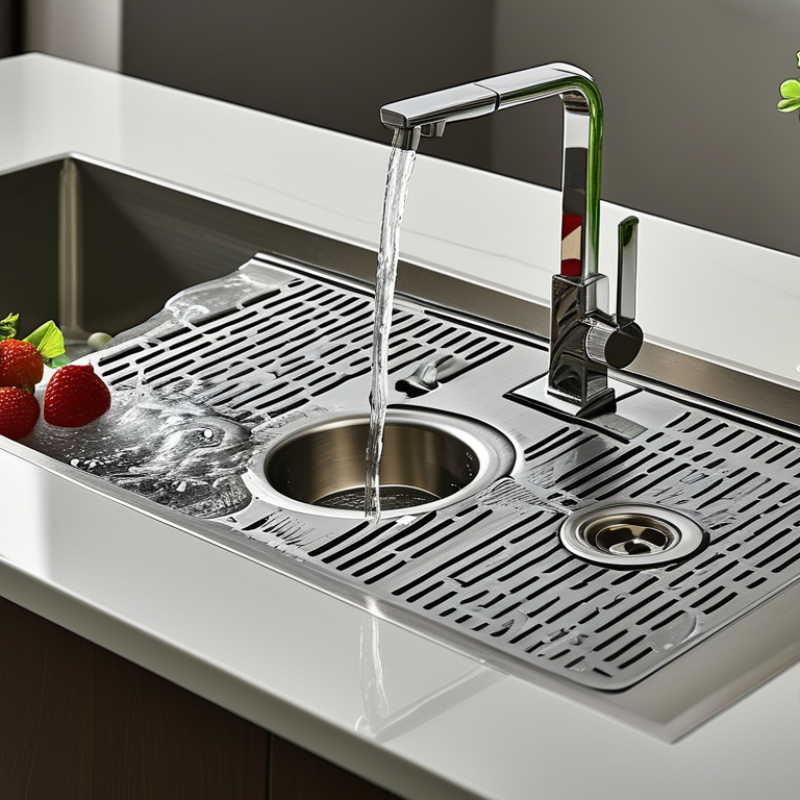
Lastly, a basket strainer plug is useful for kitchens. This design allows water to flow while catching debris. It's practical but can become clogged and require frequent cleaning. Choosing the right plug depends on your needs and the sink type. Think about installation challenges and maintenance needs before deciding.
When selecting a sink drain plug, consider the material. Different materials like rubber, silicone, or metal each have unique benefits. Rubber plugs create a tight seal but can deteriorate over time. Silicone is more durable and mold-resistant, making it a great option.
Another key feature is the size. Make sure the plug fits your sink properly. Measure the drain opening before purchasing. If the plug is too big or too small, it will not work effectively. Some plugs come with adjustable mechanisms, allowing for flexibility in fitting.
Water retention is also crucial. A properly functioning drain plug prevents water from leaking. Look for designs that enhance suction. Additionally, think about ease of use. Some plugs allow for simple removal and installation, while others may require more effort. Choosing the right plug can save you time and hassle in the long run. Consider these features carefully before making a decision.
Choosing the right sink drain plug is essential. Compatibility with your existing sink and plumbing should be a top priority. According to a study by the Plumbing Manufacturers International, over 30% of homeowners face issues due to mismatched components. This can lead to leaks and costly repairs.
When assessing compatibility, measure the diameter of your sink’s drain hole. A standard size is often around 1.5 inches, but variations exist. Referencing the plumbing codes in your area might also help. It’s critical to remember that not all plugs fit all sinks, despite their general appearance.
Consider the type of material. Metal plugs offer longevity, but plastic is lighter and less expensive. Repairing or replacing an incompatible plug can be frustrating. Some homeowners discover too late that their choices were based on aesthetics, not functionality. Focus on what works for your setup.
Always check your plumbing's specifications. If you have a sink with a built-in disposal, ensure the plug is designed to accommodate this feature. Every detail matters. A good fit will provide more than just functionality; it will give peace of mind and avoid future headaches.
| Tip Number | Consideration | Details |
|---|---|---|
| 1 | Compatibility | Ensure the plug matches the size and design of your existing sink drain. |
| 2 | Material | Choose durable materials like brass or stainless steel for longevity. |
| 3 | Ease of Use | Look for designs that are easy to operate and clean. |
| 4 | Drain Functionality | Check the drainage speed and how well it prevents clogs. |
| 5 | Aesthetic Appeal | Select a style and finish that complements your sink and overall décor. |
When selecting a sink drain plug, material durability is critical. Different materials offer varying levels of resilience. Stainless steel is popular for its rust resistance and strength. However, it can scratch easily and might require more frequent polishing. Plastic plugs are lightweight and affordable but may become brittle over time. They can also discolor, which detracts from your sink’s appearance.
Maintenance requirements vary with the material. Stainless steel needs periodic cleaning with an appropriate cleaner to prevent stains. Neglecting this can lead to permanent marks. On the other hand, plastic plugs should be washed regularly to avoid buildup. If not maintained, they can easily clog or degrade. Consider the balance between ease of maintenance and long-lasting durability.
There’s no perfect choice. Each material comes with pros and cons. Sticking with a user's experience is vital. Look for feedback on how specific drain plugs hold up over time. Reflecting on common customer reviews can reveal hidden issues or maintenance challenges that the specifications overlook.
Choosing the perfect sink drain plug is not just about function; it’s also about aesthetics. When selecting a drain plug, consider how it will complement the overall style of your kitchen or bathroom. A sleek, stainless steel finish can offer a modern touch, while a vintage-style porcelain plug can enhance a classic decor. The right choice can unify the sink's design with other fixtures and details in the room.
Colors matter, too. Opting for a plug that matches or contrasts with the sink can create an attractive focal point. Soft pastel colors can add a subtle charm, while bold hues can make a statement. Be mindful that your choice should harmonize with the overall color scheme of your space. Sometimes, this can lead to unexpected clashes, requiring a bit of trial and error to get right.
Texture is another aspect to consider. A textured surface can add depth and interest. Smooth finishes may be easier to clean, but they might lack that personal touch. Reflect on what fits best with your lifestyle and decor preferences. The decision process can reveal surprising insights about your style choices and what truly resonates with you in your living space.
Hein Minnie
Cell nr: +27 (0) 82 564 6501
Email: sale@thecirclemachine.com
Hein Minnie Jnr
Cell nr: +27 (0) 84 284 7234
Email: sale@thecirclemachine.com
Address:
10 Apsey Street,
Heidelberg,
Gauteng,
1441
Bendet Engineering Services (PTY) LTD was established in 1987. Our team of engineers and draughtsman are ready to deliver a complete turnkey solution, from the design phase to commissioning. A dedicated team that consists of electrical, mechanical and industrial engineers, we are able to offer a comprehensive service to our clients.