





Top 10 Steel Pipe Manufacturing Machines for Global Buyers?

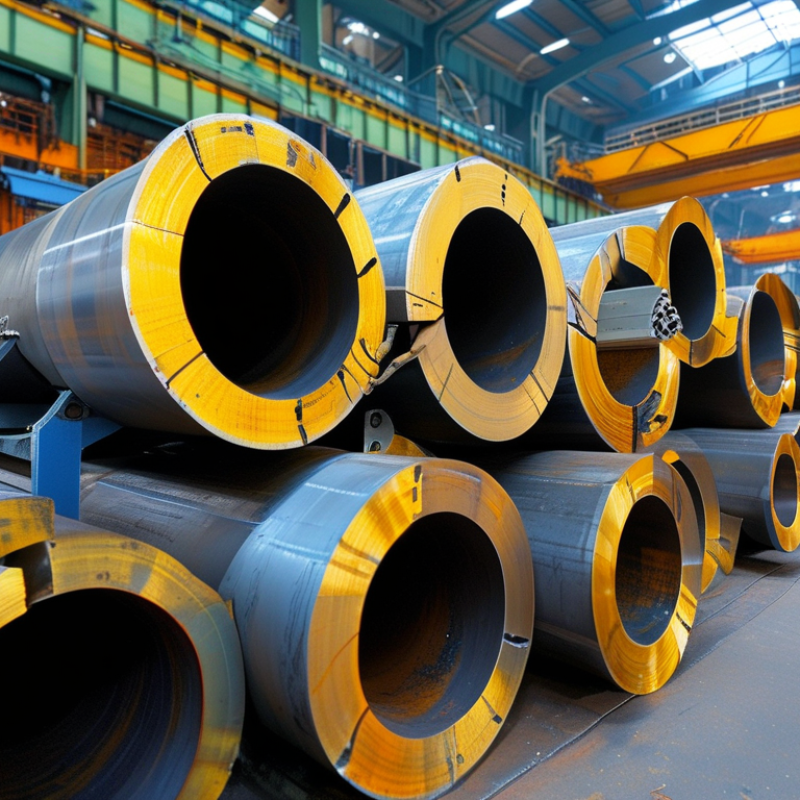
In the manufacturing industry, the demand for quality Steel Pipe Manufacturing Machines has skyrocketed. These machines play a crucial role in producing high-quality steel pipes for various applications, including construction and energy. Understanding the nuances of these machines helps buyers make informed decisions.

Global buyers seek the best equipment to enhance their production efficiency. Steel Pipe Manufacturing Machines come in various styles and technologies. Each machine offers unique features, impacting factors such as speed, durability, and cost. Competitiveness in the market relies on selecting the right machinery.

Many manufacturers face challenges in selecting the most suitable machines. Some machines may not meet rigorous standards. Others may require frequent maintenance, affecting productivity. A thorough evaluation of options is vital to avoid costly mistakes, ensuring the investment pays off in the long run. By prioritizing quality, businesses can enhance their operational efficiency and overall success.
Top 10 Steel Pipe Manufacturing Machines for Global Buyers?

Top 10 Steel Pipe Manufacturing Machines: An Industry Overview

Steel pipe manufacturing is critical for various industries. The machines used are pivotal in ensuring quality and efficiency. Firstly, these machines vary in complexity. Some are designed for small-scale operations, while others cater to large production needs.

Modern steel pipe machines often utilize advanced technology. Automated systems improve precision in cutting and shaping. This reduces waste and enhances productivity. However, many manufacturers face challenges in adapting to these technologies. Upfront costs can be daunting. Training staff to operate new machines takes time and effort.

Moreover, machine maintenance is often overlooked. Regular inspections are necessary to avoid breakdowns. Neglecting this aspect can lead to costly delays. Understanding the specifications of each machine helps buyers make informed decisions. Researching user experiences can provide valuable insights. Industry experts recommend visiting manufacturing facilities to observe machines in action. This hands-on approach can clarify the best choice for specific needs.

Key Features and Specifications of Leading Steel Pipe Machines

The steel pipe manufacturing industry relies heavily on advanced machinery. Key features of top machines focus on efficiency, precision, and automation. According to recent market analysis, the global demand for steel pipes is expected to reach 1,200 million tons by 2025. This demand drives the need for reliable production equipment.

Leading machines often include features like high-speed welding, cutting precision, and real-time monitoring. For instance, some machines can produce pipes at speeds exceeding 300 meters per minute. Additionally, the incorporation of smart technology allows for greater accuracy and reduced waste. Machines with automated systems cut human error and boost overall productivity.

However, not all machines meet the industry's rigorous standards. Some may lack the necessary certifications or provide inconsistent quality. Regular maintenance is critical. Reports suggest that 30% of downtime in manufacturing can stem from machine malfunction. Buyers must research and choose equipment that offers robust performance and reliable support.

Production Capacity and Efficiency Metrics in Steel Pipe Manufacturing

Steel pipe manufacturing is a critical industry with substantial production capacity and efficiency metrics. Recent reports indicate that modern machines can produce up to 100 tons of steel pipes per hour, significantly increasing output compared to older technologies. These advancements are not merely about speed; they showcase better energy efficiency and waste reduction.

By optimizing production processes, manufacturers can achieve efficiency rates upwards of 85%. This is vital as the industry faces increasing demand, particularly in construction and energy sectors.

However, there are areas for improvement. Machines often require regular maintenance, leading to unplanned downtime. Manufacturers must invest in predictive maintenance technologies to minimize this.

Data also shows that automation in steel pipe manufacturing can reduce labor costs by approximately 30%. However, striking a balance between automation and skilled labor is essential. Over-reliance on machines may lead to a skills gap in the workforce. As the industry evolves, it is crucial to monitor both efficiency metrics and workforce development to ensure sustainability.

Comparative Analysis of Global Suppliers in the Steel Pipe Equipment Market

The global market for steel pipe manufacturing machines is diverse and incredibly competitive. According to a recent industry report, the market is predicted to reach a value of $5 billion by 2025, growing at a rate of 4.2% annually. This growth indicates the increasing demand for customized and high-efficiency production solutions. Many suppliers are striving to offer advanced technologies, but not all machines meet stringent quality standards.

A comparative analysis reveals that suppliers from various regions bring unique advantages. For example, suppliers in Europe tend to focus on high-grade materials and robust engineering. In contrast, Asian manufacturers often provide cost-effective solutions with shorter lead times. This diversity can be beneficial but also presents challenges in terms of quality consistency. Buyers must carefully evaluate their options to find a balance between cost and quality.

Moreover, factors such as automation and energy efficiency are becoming critical. Many machines now incorporate smart technology, improving production rates. However, the integration of such advanced features often leads to higher initial costs. It's essential for buyers to assess long-term benefits against these upfront investments. This thoughtful consideration will ensure selection aligns with operational goals while addressing the evolving demands of the steel pipe industry.

Emerging Technologies in Steel Pipe Manufacturing Machinery for 2023

Emerging technologies are shaping the future of steel pipe manufacturing. In 2023, automation plays a crucial role in enhancing efficiency. Advanced robotics can perform tasks like welding and inspection with high precision. This results in lower labor costs and increased production speed.

AI integration is another key trend. Machine learning algorithms analyze production data in real time. They predict maintenance needs before failures occur. This predictive maintenance minimizes downtime and boosts productivity. Buyers should consider investing in machinery that incorporates these technologies.

Tips: Look for machines with smart features. These can significantly improve operational efficiency. Seek equipment that allows easy upgrades. Staying adaptable to new advancements is vital in this competitive industry.

Sustainability remains a pressing concern. New machines focus on reducing energy consumption and waste. Companies aim to produce high-quality pipes while minimizing their environmental footprint. Reflecting on sustainability practices is essential for long-term success.

Top 10 Steel Pipe Manufacturing Machines for Global Buyers - 2023

This chart displays the estimated production capacity (in tons per year) of the top 10 steel pipe manufacturing machines available in 2023. This data is essential for buyers looking to understand market capabilities and advancements in technology.

Open chat
Scan the code
Bendet Sales Assistant
Hi There👋,
Thank you for visiting our website, How can I help you?