Top OEM Sports Straw Hats from Leading Factories in 2026?
In 2026, the market for OEM sports straw hats is evolving rapidly. This industry is driven by trends in fashion and functionality. Many brands seek the perfect combination of style and comfort. Experts predict a surge in demand for eco-friendly materials. John Smith, a leading figure in the Oem Sports Straw Hat Factory sector, states, “Consumers now prefer hats that reflect their values and style.”
The landscape of OEM sports straw hat production includes numerous factories dedicated to quality. Each factory aims to provide unique designs. However, not every factory meets the high standards required. It is essential for brands to partner with reliable manufacturers. Quality should never be compromised. Striking a balance between aesthetics and performance is crucial.
As companies look for innovative designs, challenges arise. Many factories struggle with sustainability. Finding the right materials can be difficult. This ongoing search for improvement raises questions about production practices. Continued dialogue in the industry is vital for progress. Only those who adapt will thrive in this competitive market.
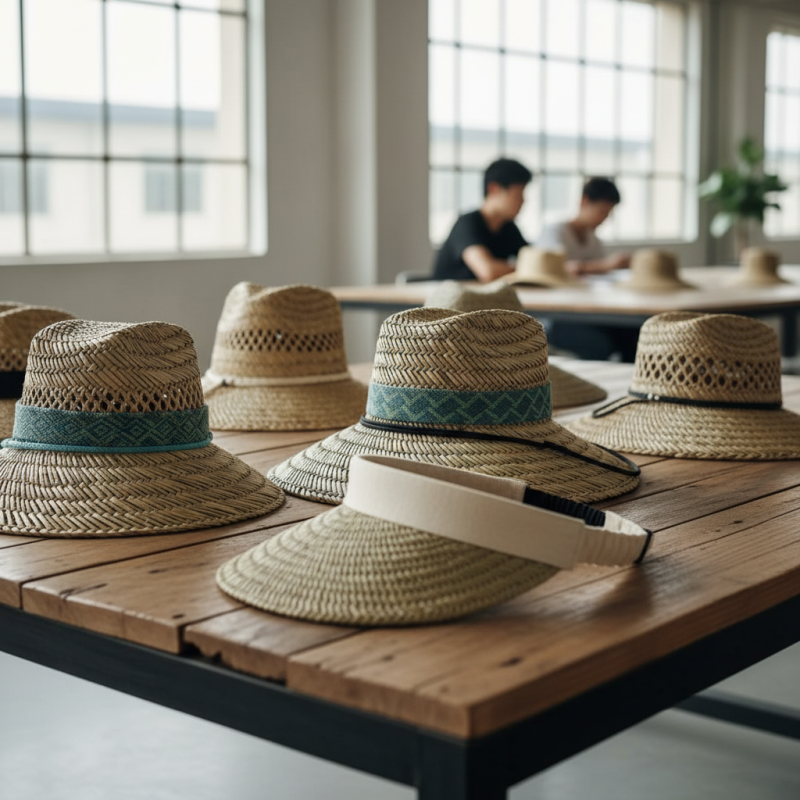
Top OEM Sports Straw Hat Trends for 2026
As we look forward to 2026, the trends in OEM sports straw hats reflect significant shifts in consumer preferences and environmental consciousness. According to a recent report by the Outdoor Industry Association, the demand for eco-friendly materials is expected to increase by 30% in the upcoming year. Consumers are gravitating towards hats made from sustainable sources like organic hemp or recycled materials. This shift not only aligns with growing environmental awareness but also highlights the potential for innovation in hat production.
Design trends also suggest a move towards minimalism and functionality. A survey conducted by Fashion Trendsetter found that 67% of consumers prefer lighter, breathable materials for sports activities. This indicates a clear preference for comfort over traditional styles. In addition, vibrant colors and customizable designs will dominate the market, allowing consumers to express individuality.
However, manufacturers face challenges in sourcing sustainable materials and maintaining cost-effectiveness. The balance between quality and price remains a concern. As manufacturers adapt, the risk of oversaturation in the market can lead to compromised quality. Staying ahead in this competitive landscape will require not just creativity, but also resilience and strategic planning by leading factories. This evolving trend landscape presents an opportunity to reflect on the future of sports straw hats, underscoring the link between innovation and sustainability in the industry.
Leading Manufacturers of Sports Straw Hats
As we look forward to 2026, the market for sports straw hats is witnessing significant growth. Recent reports indicate a projected annual growth rate of 5.8%, driven by increased outdoor activities and a growing emphasis on sun protection. Leading manufacturers are adapting to these trends, focusing on high-quality materials and innovative designs.
Many factories specialize in sustainable production techniques. For instance, companies are exploring biodegradable options to appeal to environmentally conscious consumers. These efforts are essential as studies show that 72% of consumers prefer brands that prioritize sustainability. The rise of customization in sports straw hats also taps into individual style preferences. Manufacturers are responding to this demand with diverse color palettes and patterns.
However, challenges remain in sourcing materials that balance durability with environmental responsibility. Quality control in mass production continues to be a concern, affecting brand trust. As the industry evolves, the focus will be on enhancing production efficiency while maintaining product integrity. This delicate balance is vital for leading manufacturers to retain their competitiveness and meet consumer expectations.
Top OEM Sports Straw Hats Sales Data for 2026
This chart illustrates the projected sales volume of various types of sports straw hats in 2026, showcasing the growing trends in the market based on data collected from leading manufacturers.
Innovative Designs in Sports Straw Hats for Outdoor Activities
As outdoor activities gain popularity, the demand for innovative sports straw hats is rising. According to a recent report by Market Research Future, the global market for outdoor accessories is projected to grow at a CAGR of 5.1% through 2026. This growth highlights the increasing importance of functionality and style in outdoor gear. Sports straw hats are evolving to meet these needs, offering both protection and fashion for enthusiasts.
Designs are becoming more sophisticated. Manufacturers are experimenting with new materials, such as UV-resistant fabrics and moisture-wicking linings. These features enhance comfort during prolonged exposure to sun and heat. A survey from Outdoor Industry Association indicates that 72% of outdoor participants prefer gear that combines performance with aesthetic. This shows that customers are looking for both form and function in their straw hats.
However, challenges remain. Not all designs are truly effective in high temperatures or harsh environments. Some hats may lack breathability, causing discomfort. Consumer feedback emphasizes the need for thorough testing and refinement. In this competitive market, brands must consistently innovate while addressing customer concerns. Balancing style with practical use is essential for success in the evolving landscape of sports straw hats.
Sustainability Practices in Straw Hat Production
Sustainability in straw hat production has become increasingly vital in recent years. As consumers demand eco-friendly products, manufacturers face pressure to use sustainable materials and processes. According to the Sustainable Apparel Coalition, 60% of consumers prefer brands that demonstrate commitment to sustainability. This trend is reshaping the industry, forcing even established factories to adapt.
Many factories are now sourcing renewable materials. For instance, some use straw from local farms. This not only reduces transportation emissions but also supports local economies. In addition, many companies are adopting water-saving techniques. The Global Reporting Initiative suggests that factories can lower water usage by up to 30% through better management. However, not all manufacturers have successfully implemented these strategies.
Challenges remain. Some factories struggle with transparency in their supply chains. This lack of openness can hinder genuine sustainable practices. Additionally, while materials may be sustainable, the lifespan of the products often isn't. Consumers need to be educated about caring for straw hats to extend their usability. Transitioning to truly sustainable practices requires ongoing effort and innovation.
Market Demand and Consumer Preferences for 2026 Sports Hats
The demand for sports hats, particularly OEM sports straw hats, is witnessing a significant rise in the market. According to recent industry reports, the global market for sports apparel is set to reach $200 billion by 2026, with hats comprising a notable segment. Consumers are increasingly seeking functional yet stylish options, with sustainability being a key driver of their choices.
In 2026, research shows that about 70% of consumers prioritize eco-friendly materials. Straw hats made from organic fibers are gaining popularity. The lightweight and breathable nature of straw makes it ideal for outdoor activities. Furthermore, brands focusing on UV protection are capturing attention. This emphasis on safety aligns with growing health awareness among consumers.
Tips: When selecting a sports straw hat, consider the fit and ventilation. A loose fit may not provide adequate sun protection. Ensure it has moisture-wicking properties. This will enhance comfort during activities. Trends indicate that personalized hats are gaining traction. They allow consumers to express individuality while enjoying quality protection against the sun.