
Top Mifare 1k Card Features for Global Buyers in 2026?

As global demand for secure and efficient access control solutions rises, the Mifare 1k Card stands out as a popular choice among buyers. This card, known for its versatility and reliability, offers a unique blend of features that meet various market needs. Buyers in 2026 must understand both the capabilities and limitations of the Mifare 1k Card to make informed decisions.

The Mifare 1k Card provides impressive storage, enabling it to handle multiple applications. Its seamless integration with different systems adds to its appeal. However, the evolving landscape of RFID technology means that buyers should consider future compatibility. Understanding the unique advantages of the Mifare 1k Card can elevate an organization’s security strategy.

Yet, not every solution is flawless. The Mifare 1k Card has its challenges, such as potential security vulnerabilities and limitations in data handling. It's crucial for buyers to weigh these factors carefully. Seeking expert insights and staying updated on industry trends will enhance the purchasing process. By balancing benefits and drawbacks, global buyers can leverage the Mifare 1k Card effectively in their operations.
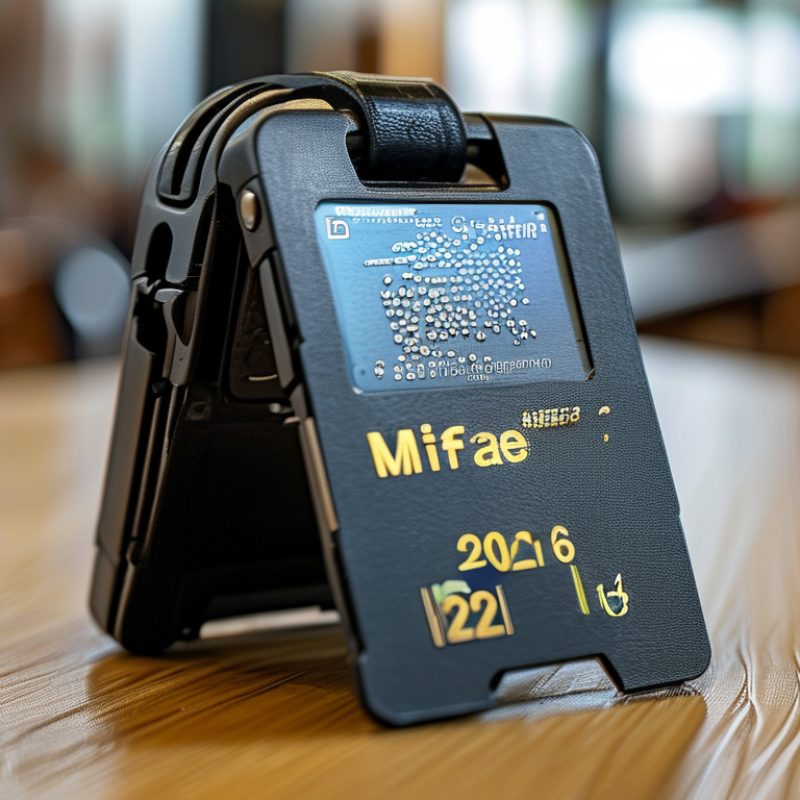
Top Mifare 1k Card Features for Global Buyers in 2026?

Key Features of Mifare 1k Cards for International Markets in 2026

Mifare 1k cards are crucial in various international markets. Their widespread use is attributed to a mix of features that cater to diverse applications. Firstly, their 1KB memory allows for versatile data storage. Businesses utilize this capacity to store access permissions or user information. Additionally, the efficiency of these cards is notable; they support contactless communication, ensuring faster transactions.

Security is another significant feature of Mifare 1k cards. They incorporate a simple cipher for data protection, which is vital in environments requiring secure transactions. However, users should reflect on the evolving nature of security needs. As technologies advance, basic encryption may not suffice. This reality underscores the importance of staying updated with security enhancements.

Moreover, these cards often face compatibility challenges. Different systems may not support uniform standards. This can lead to integration issues, particularly in global operations. Buyers need to be mindful of this when selecting cards. Understanding local market requirements is essential to maximize the benefits of Mifare 1k cards. Balancing functionality with security and compatibility defines their success in 2026.

Top Mifare 1k Card Features for Global Buyers in 2026

This chart illustrates the key features of Mifare 1k cards that are important for global buyers in 2026. Each feature is scored based on its significance, indicating the expected performance and reliability of these cards in international markets.

Benefits of Using Mifare 1k Cards for Global Buyers

Mifare 1k cards continue to gain traction among global buyers in 2026. These cards offer significant advantages for various applications, from access control to public transportation. According to industry reports, around 60% of global organizations favor Mifare technology for its reliability and versatility. Organizations need to consider the benefits offered by these cards in an ever-evolving market.

One of the primary benefits of Mifare 1k cards is their robustness. The built-in encryption enhances security, making them less susceptible to cloning. Data from security studies highlight a 30% decrease in unauthorized access incidents when using Mifare cards. Additionally, these cards demonstrate impressive durability, surviving in harsh environments. This endurance translates to lower replacement rates, making them cost-effective.

When adopting Mifare technology, businesses can benefit from streamlined operations. The cards enable faster transactions, reducing wait times. As a result, organizations can provide improved customer experiences. However, some buyers may face compatibility issues with existing systems. It's crucial to assess current infrastructure before implementation. Regular system updates and staff training can mitigate these challenges, ensuring seamless integration.

Compatibility and Integration of Mifare 1k Cards with Existing Systems

Mifare 1k cards are increasingly popular for various applications, owing to their compatibility and ease of integration. Many businesses utilize these cards in access control, public transportation, and loyalty programs. Their 1k memory capacity offers sufficient storage for unique identification and essential data, making them an efficient choice for global buyers.

Compatibility with existing systems is paramount. When implementing Mifare 1k cards, it's crucial to ensure they can seamlessly work with current infrastructure. Many readers support these cards, but not all. Therefore, evaluating hardware capabilities before integration can prevent potential misuse of resources. Regular system audits can identify challenges in compatibility, allowing for timely adjustments.

Consider how Mifare 1k integrates with your software solutions. Data management systems should be reviewed and aligned with the card functionalities. This alignment enhances the user experience and optimizes efficiency. Without proper integration, organizations may face data mismatches or system errors. Monitoring these parameters post-implementation is essential for long-term success.

Security Enhancements in Mifare 1k Cards for 2026

Mifare 1k cards have become essential in various security applications. As we approach 2026, advancements in security features are notable. Enhanced encryption protocols are set to become standard. According to a recent market analysis, over 40% of companies reported increasing investment in secure technologies. This growth indicates a heightened focus on safeguarding sensitive information.

Another crucial feature involves anti-cloning measures. New iterations of Mifare 1k cards include advanced anti-tampering capabilities. Data from security industry reports show that stolen credentials account for nearly 30% of data breaches. As businesses recognize this risk, investing in improved card technology is critical.

Potential buyers should consider the lifecycle of Mifare 1k cards. Longevity and durability can significantly impact overall costs. Regular updates to security protocols are also necessary. Being aware of compliance requirements helps ensure cards meet regulatory standards. Understanding these factors enhances decision-making in selecting the right technology for your needs.

Future Trends in Mifare 1k Card Technology and Applications

The Mifare 1k card is evolving rapidly. In 2026, buyers will look for enhanced security features. Improved encryption methods are emerging to prevent unauthorized access. This shift addresses the escalating concerns surrounding data breaches. Many organizations need assurance in the data they handle.

Another noticeable trend is the integration of smart technology. Mifare cards will increasingly connect with mobile devices. Users will leverage their smartphones for seamless transactions. This adds convenience but raises questions about data privacy. As technology advances, the balance between ease of use and security is critical.

Personalization is another exciting aspect. Future Mifare cards may offer tailored experiences for users. By harnessing data analytics, businesses can provide customized services. However, this reliance on data can pose risks. Organizations must tread carefully in managing customer information. There is a constant need to evaluate the implications of these advancements.

Top Mifare 1k Card Features for Global Buyers in 2026

Feature Description Application Expected Trend in 2026
High Security Advanced encryption methods to prevent cloning and unauthorized access. Access control systems, public transport. Increasing demand for secure transactions.
Contactless Technology Allows easy swiping without physical contact. Payment systems, event ticketing. Growth in contactless payment adoption.
Versatile Applications Can be used in various sectors including healthcare, education, and transportation. ID cards, loyalty programs, membership services. Expansion into new industries with customization options.
Durability Resistant to wear, tear, and environmental factors. Long-term usage in demanding environments. Greater emphasis on sustainable materials.
Scalability Support for large volumes of cards and data management. Enterprise-level applications. Increased integration with cloud services.

Article Source:

Open chat
Scan the code
Bendet Sales Assistant
Hi There👋,
Thank you for visiting our website, How can I help you?