





Indoor Perimeter Led Display Screen technology has moved beyond scoreboard decoration. It now shapes atmosphere, sponsorship value, and audience attention across arenas, stadiums, and entertainment venues. MarketsandMarkets estimates that the global LED display market will grow from approximately USD 7.1 billion in 2023 to USD 10.8 billion by 2028. That expansion reflects stronger demand for high-brightness, fine-pitch, and energy-conscious displays.
Indoor installations require more than impressive specifications. Seamless curves, stable refresh rates, quiet cooling, front access, and reliable control systems matter beside the court. So does color consistency across hundreds of cabinets. One weak module can interrupt an entire perimeter message. It happens.
David Haynes, a longtime Leyard display specialist, has emphasized that “the best technology is the technology people do not notice.” That principle fits Indoor Perimeter Led Display Screen selection perfectly. Viewers should notice the content, not flicker, seams, glare, or awkward cabinet transitions. The following Top 10 Indoor Perimeter LED Display Screen Suppliers examines manufacturers through practical criteria, including pixel pitch, viewing distance, cabinet flexibility, service access, warranty support, and deployment experience. Data from Grand View Research and AVIXA also indicate that professional visual systems increasingly compete on lifecycle value, not only purchase price. However, no ranking is flawless. Regional support, venue architecture, and real operating conditions can change the result. A supplier that excels in a large arena may not suit a compact indoor hall. This guide keeps that limitation visible while comparing the companies most capable of delivering dependable, broadcast-ready perimeter solutions.
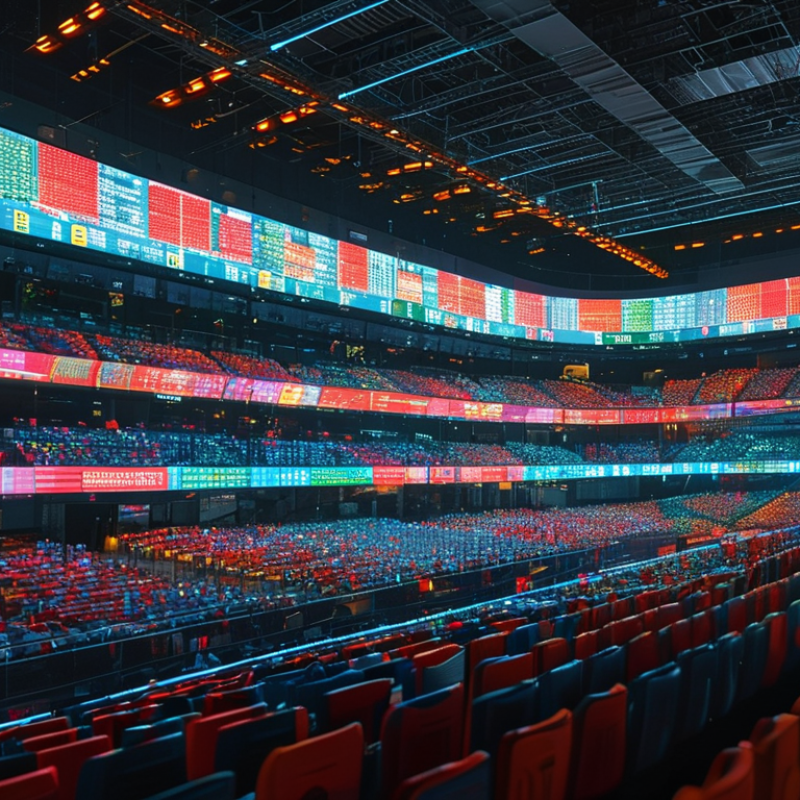
An indoor perimeter LED display screen is a modular digital panel installed around a sports court or event floor. It shows scores, advertisements, animations, and live messages for nearby spectators. Unlike standard wall displays, it must operate close to athletes, officials, and moving equipment.
A typical system uses slim LED cabinets, protective padding, and flexible connection points. The padding helps reduce impact risks during accidental contact. A high refresh rate keeps fast motion smooth on cameras. Moderate brightness is usually better indoors, because excessive light can distract players and create harsh footage. Wide viewing angles also matter when audiences sit along several sides of the venue.
From practical installation experience, suppliers should explain pixel pitch, cabinet weight, service access, and control-system compatibility clearly. A smaller pixel pitch can improve close-up images, but it may increase cost and power use. Thermal management is easy to overlook. Poor ventilation can shorten component life, even in an air-conditioned arena. One assumption often fails: brighter does not always mean better. The final choice should match viewing distance, camera requirements, floor layout, and local safety standards. A short on-site test remains valuable. Spec sheets alone can miss glare, cable placement, or awkward maintenance access.
An indoor perimeter LED display screen is a modular direct-view LED system installed around the boundary of an indoor sports field, stage, studio, retail area, or event space. It uses light-emitting diodes to display text, graphics, video, advertising, or live content. The specifications below summarize common technical requirements and supplier-evaluation points for indoor perimeter LED display projects. Actual values vary by product design, venue, viewing distance, and local safety requirements.
| Key Dimension | Typical Indoor Requirement | Why It Matters | What to Verify with a Supplier |
|---|---|---|---|
| 1. Pixel Pitch | Approximately 2.5 mm to 6 mm for many indoor perimeter installations | A smaller pixel pitch generally provides sharper images at close viewing distances, while a larger pitch can reduce the initial display cost. | Request the exact pixel pitch, LED package type, pixel density, and recommended minimum viewing distance. |
| 2. Brightness | Often about 800 to 1,500 nits for controlled indoor environments | Brightness must be high enough for clear content but not so high that it causes glare or discomfort in an indoor venue. | Confirm measured brightness, brightness-control range, calibration method, and whether automatic light sensing is available. |
| 3. Refresh Rate | Commonly 1,920 Hz or higher; higher rates may be selected for broadcast or camera use | A higher refresh rate helps reduce flicker and scanning artifacts when the screen is recorded by television or event cameras. | Check the tested refresh rate under the intended resolution and whether the supplier provides camera-test results. |
| 4. Viewing Angle | Typically around 140° horizontal or more, depending on LED design | Wide viewing angles help spectators and visitors see consistent colors and brightness from different positions. | Ask for horizontal and vertical viewing-angle data and confirm color consistency at oblique angles. |
| 5. Cabinet Structure | Lightweight modular cabinets with tool-accessible front or rear maintenance | Modular construction supports faster installation, replacement, transport, and servicing along long perimeter runs. | Verify cabinet dimensions, weight, alignment tolerance, maintenance direction, locking system, and spare-module compatibility. |
| 6. Protective Padding | Soft edge protection or padded perimeter structures for sports and public-event applications | Padding can help reduce the risk of injury and protect LED modules from accidental contact, especially near playing areas. | Confirm padding materials, impact-resistance test information, edge design, replacement process, and venue-safety documentation. |
| 7. Viewing and Content Management | Support for common video inputs, scheduled playback, image scaling, and synchronized content | Reliable control features allow operators to display advertisements, scores, announcements, logos, and live video efficiently. | Check controller compatibility, input formats, content software, network options, offline operation, and user permissions. |
| 8. Color and Brightness Calibration | Factory calibration with field-adjustable brightness and color parameters | Calibration improves uniformity between cabinets and helps maintain consistent appearance across a long display installation. | Request uniformity specifications, calibration reports, replacement-module calibration procedures, and long-term data backup options. |
| 9. Reliability and Serviceability | Replaceable modules, redundant power options where required, and documented operating limits | Easy maintenance can reduce downtime and operating costs when a module, receiving card, or power supply needs replacement. | Review warranty terms, mean-time claims, spare-parts availability, fault monitoring, service response time, and installation training. |
| 10. Safety, Compliance, and Total Cost | Applicable electrical, electromagnetic-compatibility, fire-safety, and venue-installation documentation | Compliance and lifecycle cost are essential because purchase price alone does not reflect installation, energy, maintenance, and replacement expenses. | Request test reports relevant to the destination market, power-consumption data, structural requirements, installation cost, and five-year ownership estimate. |
Note: The ranges shown are general industry reference values rather than guarantees for any specific supplier or product. A final specification should be selected after reviewing viewing distance, ambient lighting, content type, camera requirements, installation conditions, and applicable local regulations.