





The hair accessory market has seen significant growth over the years. Among various products, the Hair Pin Machine plays a vital role in manufacturing high-quality hairpins efficiently. Global buyers are always on the lookout for reliable suppliers who can deliver consistent performance and innovation in this niche.
Finding suitable suppliers can be challenging. The landscape is diverse, with many players claiming expertise. Not all suppliers maintain the same level of quality or service. Buyers must navigate this complexity to find trusted partners. Evaluating suppliers based on their experience and technological capabilities is crucial.
When choosing a Hair Pin Machine supplier, transparency and reliability should be priorities. Understand their production processes and customer feedback, as these can reveal much. A strong supplier relationship can lead to better product quality and service. However, this requires due diligence and ongoing communication.
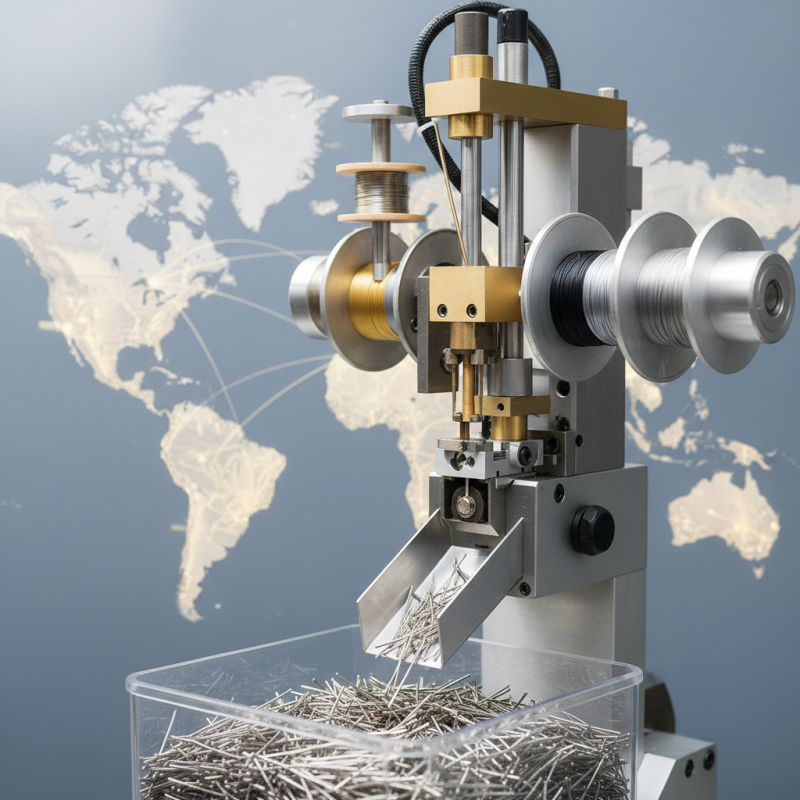
Hair pin machines play a crucial role in modern manufacturing. These machines produce hairpins efficiently, meeting the demands of various industries. They ensure precision in creating products that are widely used in daily life. High-quality hair pins can be found in homes, salons, and fashion settings. The importance of these machines can’t be overstated.
The production process involves intricate steps. Operators must understand how to set up the machines properly. A slight error can lead to significant waste, affecting overall productivity. The reliability of hair pin machines can vary. Some machines may require frequent adjustments, which can disrupt the workflow. Manufacturers should be prepared to address these issues.
Investing in advanced technology can enhance performance. However, the initial cost can be daunting for some businesses. Researching various suppliers is essential for finding the right fit. It is vital to evaluate the machine's efficiency and durability. Buyers must consider not only the cost but also the support provided by suppliers.
| Supplier Location | Machine Type | Production Capacity (units/month) | Key Features | Price Range (USD) |
|---|---|---|---|---|
| China | Automatic Hair Pin Machine | 5000 | High Speed, Durable, Energy Efficient | 5000 - 10000 |
| Germany | Semi-Automatic Hair Pin Machine | 3000 | Precision Engineering, Low Noise | 8000 - 15000 |
| India | Manual Hair Pin Machine | 1500 | Compact Size, User Friendly | 1000 - 2500 |
| USA | High-Speed Hair Pin Machine | 7000 | Advanced Automation, High Precision | 12000 - 20000 |
Choosing the right hair pin machine supplier is crucial for your business. One key aspect to consider is product quality. Ensure the machines are made with durable materials. Check the specifications to confirm they meet industrial standards. A reliable supplier should provide detailed technical information, helping you assess the quality effectively.
Another important factor is customer support. A good supplier offers thorough assistance before and after purchase. This support can come in various forms, including installation guidance and regular maintenance. Gauge their responsiveness by reaching out with inquiries. You want a supplier that values communication.
Finally, consider their production capabilities. An ideal supplier can handle large orders with flexibility. Look for information on their manufacturing processes. This insight reveals their efficiency and reliability. However, some suppliers may over-promise their capabilities. It’s wise to research and gather firsthand feedback from other clients. Balancing these features will help you make a well-informed decision.
The hairpin machine market is witnessing significant growth. Recent industry reports indicate that demand for hairpin machines is rising, with a predicted CAGR of over 5% through 2026. This growth is fueled by the increasing application of hairpin technology in HVAC systems and electric vehicles. Key players in this sector are striving to enhance operational efficiency and production capacity.
A comparative analysis reveals that Asian suppliers dominate the market. They account for nearly 60% of production. European and North American manufacturers focus on advanced technology and innovation. However, the gap in quality and pricing between regions is narrowing. Buyers must weigh these factors carefully when choosing suppliers. Opting for quality often results in higher initial costs but can lower long-term expenses.
Despite the advancements, the industry faces challenges. Many manufacturers struggle with sustainable production practices. There is also a growing need for better training among operators. Investing in workforce education can enhance productivity. Buyers should consider suppliers that prioritize both innovation and sustainability.
The hair pin machine market is evolving rapidly. Various industry trends are shaping its future. Automation is one key factor. Manufacturers are investing in advanced technologies to enhance production efficiency. This shift allows for higher output and reduced labor costs. Many suppliers now focus on energy-efficient equipment. This trend meets the growing demand for sustainability from global buyers.
Consumer preference is another important aspect. Buyers increasingly seek machines that can produce customized products. This demand drives innovation in design and functionality. Additionally, the rise of e-commerce influences buying patterns. Manufacturers must adapt to online platforms. They need to provide detailed product specifications and reliable customer service. Branding through digital marketing becomes essential in reaching wider audiences.
However, not all suppliers keep pace with these changes. Some fail to update their machinery or marketing strategies. A gap can form between leading and lagging firms. This disparity highlights the importance of continuous improvement in this competitive market. Reflecting on these trends can provide valuable insights into future developments in the industry.
Building a successful partnership with hairpin machine suppliers involves careful consideration. To begin, research is crucial. Analyze potential suppliers online and read reviews. Look for those with a proven track record in quality and reliability. Engage in conversations with them. Ask about their manufacturing processes and lead times. This will help you gauge their professionalism and transparency.
Establishing clear communication is vital. Discuss your expectations and requirements openly. A successful partnership hinges on mutual understanding. Regularly check on production status and address any issues promptly. Also, be prepared for challenges. Not all suppliers might meet your standards or deadlines. This is a common scenario and requires a proactive approach. Use these experiences to refine your selection process for future partnerships.
Trust is essential in any business relationship. Develop it by maintaining consistency and fairness. Suppliers appreciate honesty about your needs and potential challenges. Over time, a trustworthy relationship can enhance collaboration and lead to better pricing and service. Remember, partnerships take time to grow and require continuous effort to thrive.
Hein Minnie
Cell nr: +27 (0) 82 564 6501
Email: sale@thecirclemachine.com
Hein Minnie Jnr
Cell nr: +27 (0) 84 284 7234
Email: sale@thecirclemachine.com
Address:
10 Apsey Street,
Heidelberg,
Gauteng,
1441
Bendet Engineering Services (PTY) LTD was established in 1987. Our team of engineers and draughtsman are ready to deliver a complete turnkey solution, from the design phase to commissioning. A dedicated team that consists of electrical, mechanical and industrial engineers, we are able to offer a comprehensive service to our clients.