






As we approach 2026, the automotive industry is undergoing significant transformations. Among these changes, the brake shoe car market is evolving rapidly. Industry forecasts indicate that the global market for brake components is expected to reach $45 billion by 2026, driven by advancements in technology and increasing safety regulations.
The growing emphasis on vehicle safety has prompted manufacturers to enhance the performance of brake shoe car systems. New materials and design innovations are contributing to improved durability and efficiency. For instance, companies are now focusing on lightweight materials that reduce overall vehicle weight while maintaining braking performance. This shift reflects a broader trend toward sustainability in the automotive sector.
However, buyers should remain cautious. The rapid pace of innovation means not all products available will meet high safety standards or provide long-term reliability. Examination and comparisons of brake shoe options are crucial for informed decision-making. Researching reliable reviews and seeking expert advice can prevent potential pitfalls in selecting brake components.
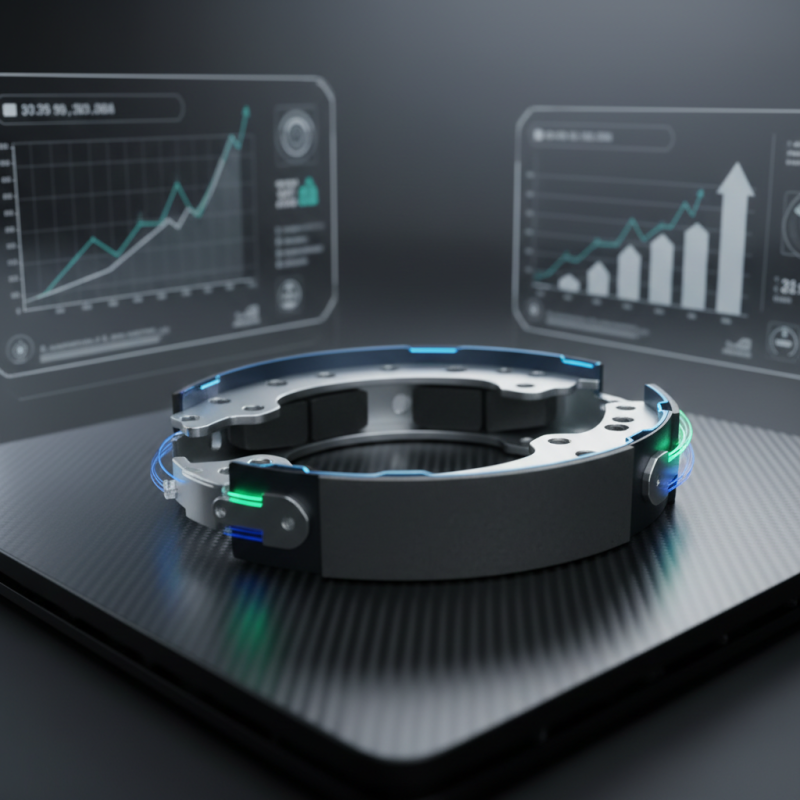
As we look toward 2026, brake shoe design is set to undergo significant transformations. Emerging technologies promise enhanced performance and safety features. Innovations such as advanced materials and intelligent systems are becoming increasingly prevalent. These developments may impact the overall driving experience, ensuring better response times and greater durability.
One major trend involves the integration of smart sensors within brake shoes. These sensors can provide real-time feedback on wear and tear. This technology helps drivers to maintain optimal braking efficiency. Moreover, lightweight composites are being used to reduce the overall weight of vehicles. This not only improves fuel efficiency but also enhances braking performance. However, the challenge remains in balancing cost and reliability with these new materials.
Sustainability is another focus area. Eco-friendly brake shoes are gaining traction, addressing environmental concerns. There are questions about their longevity and effectiveness compared to traditional options. Buyers are advised to consider both the performance and environmental impact of their choices. These advancements represent a pivotal change in the automotive landscape, yet they require careful scrutiny and reflection.
In 2026, the automotive industry is leaning heavily towards sustainability. Brake shoe materials are a key area of focus. Traditional materials often pollute the environment.
New, eco-friendly options are gaining ground. These alternatives are not just better for the planet; they often enhance safety as well.
Recycled materials are becoming popular in brake shoe production. They lower waste and reduce the carbon footprint. Natural fibers, like hemp or bamboo, are being tested for their durability. These materials are lightweight yet sturdy. They engage environmentally-conscious consumers.
Buyers should be aware of their options. Not all products labeled as “green” are reliable. It’s essential to research and understand the materials used. Transparency in sourcing is crucial. This helps ensure that purchases reflect true sustainability.
The rise of electric vehicles (EVs) is reshaping the brake shoe industry. Traditional brake shoes often rely on materials optimized for combustion engines. However, with the silent operation of EVs, there’s less reliance on friction-based brake systems. This trend pushes manufacturers to innovate in design and materials.
Brake shoe components for EVs will need to be lighter and more efficient. Innovations like regenerative braking will alter how brake shoes are structured. The focus will shift towards reducing weight while maintaining durability. Engineers are experimenting with advanced composites that promise both strength and reduced environmental impact.
These changes present unique challenges. Not all manufacturers are ready to adapt. There’s a need for reliable testing standards to assess new materials. As the industry transitions, some conventional methods may still dominate, creating a gap in performance expectations. Buyers should remain informed about these evolving technologies. Understanding brake shoe performance in an EV context is crucial for making smarter purchasing decisions.
Consumer preferences significantly influence the future of brake shoes. In 2026, buyers are looking for materials that echo sustainability. Higher demand for eco-friendly options is evident. Many consumers now prioritize products that reduce environmental impact. Lightweight materials that maintain durability are essential. This shift reflects a broader trend toward greener automotive solutions.
Tips: Examine brake shoe materials closely. Look for options that offer better braking performance without harming the planet. Research how manufacturers source their materials. This knowledge empowers consumers to make informed choices.
In addition to sustainability, buyers value safety features. Modern brake shoes are evolving with advanced technology. Features like noise reduction and heat resistance are gaining traction. These improvements not only enhance performance but also user experience. Yet, many customers remain unclear on maintenance needs. Understanding the lifespan and proper care for brake shoes is crucial.
Tips: Regularly check your brake shoes for wear. Replace them promptly to ensure safety. Build a maintenance schedule that fits your driving habits. This proactive approach can extend the life of your brake shoes significantly.
As the brake shoe market evolves, several key brands are emerging as leaders in 2026. These brands prioritize innovation, focusing on advanced materials and technology in their products. They aim to enhance durability and performance, which are crucial for safety. Buyers are increasingly looking for brake shoes that not only last longer but also offer superior stopping power.
A notable trend is the rise of eco-friendly options. Many leading brands are now developing brake shoes using sustainable materials. This shift reflects growing consumer awareness about environmental impact. However, some consumers may find it challenging to assess the true benefits of these products. Understanding the trade-offs between eco-friendliness and performance remains essential.
Customers also seek clear information on warranties and product testing. While many brands showcase rigorous testing methods, transparency can vary. Buyers must do their homework. This means reading reviews and comparing products. A few leading companies still leave questions unanswered, which could hinder trust. Engaging with knowledgeable sellers can help mitigate confusion. Buying brake shoes shouldn’t feel like a gamble; informed choices are vital for safety.
Hein Minnie
Cell nr: +27 (0) 82 564 6501
Email: sale@thecirclemachine.com
Hein Minnie Jnr
Cell nr: +27 (0) 84 284 7234
Email: sale@thecirclemachine.com
Address:
10 Apsey Street,
Heidelberg,
Gauteng,
1441
Bendet Engineering Services (PTY) LTD was established in 1987. Our team of engineers and draughtsman are ready to deliver a complete turnkey solution, from the design phase to commissioning. A dedicated team that consists of electrical, mechanical and industrial engineers, we are able to offer a comprehensive service to our clients.