







Choosing the right Box Making Machine can shape production speed, product quality, and long-term operating costs. Global buyers often compare more than output figures. They examine box styles, board thickness, folding accuracy, glue performance, and available floor space. Details matter.
This guide introduces ten practical machine types for different packaging environments. It covers folder gluers, corrugated box machines, rigid box makers, automatic die cutters, and flexible modular systems. Each type serves a different production need. Some suit short custom runs, while others support continuous industrial output. A machine producing 1,500 boxes per hour may appear attractive, but that figure means little without consistent feeding and stable material quality. That assumption fails.
Experienced purchasing teams also review changeover time, operator training, spare-part access, energy use, and technical support. They request production samples before approving a supplier. They inspect folded corners, compression strength, glue lines, and finished dimensions. Reliable manufacturers should provide clear specifications, installation guidance, maintenance schedules, and verifiable customer references. Certifications may help, but they do not replace practical testing.
This overview is designed for importers, packaging companies, furniture suppliers, and manufacturers expanding their converting capacity. It does not treat one design as universally superior. Factory conditions differ. Budget, labor skills, box structure, and order volume can change the best choice. A careful comparison can prevent expensive mismatches and support more dependable investment decisions. Yet even a well-researched selection may require adjustment after real production begins. That is normal.
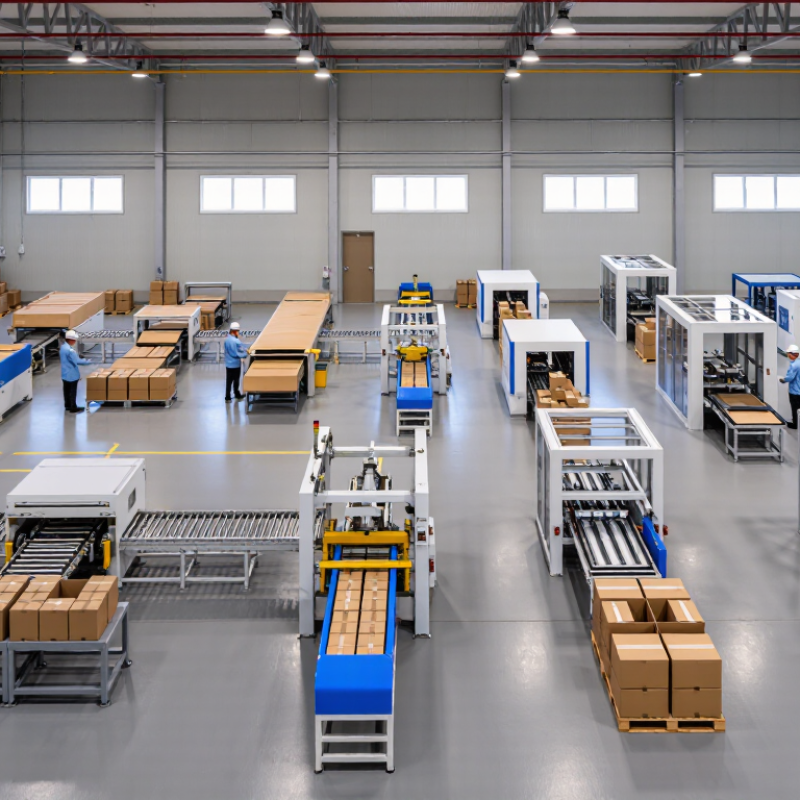
Box making machines are industrial systems that convert paperboard or corrugated sheets into usable packaging. They cut, crease, fold, glue, and sometimes print box surfaces. Some models form standard shipping cartons, while others create custom-sized boxes for fragile products. The machine type depends on material thickness, box design, production volume, and required accuracy. A suitable system should match local power standards and applicable packaging regulations.
In daily production, operators feed flat sheets into the machine. Rollers guide each sheet through cutting and creasing stations. Folding units then shape the panels, while glue applicators close selected seams. Automatic adjustment can reduce setup time and material waste. Sensors may detect skewed sheets or missing glue. Small faults still happen. Dust, worn belts, and poor calibration can affect every box. Experienced teams check samples during each production run, rather than trusting the display alone.
These machines serve e-commerce warehouses, food packaging plants, electronics suppliers, furniture manufacturers, and moving-service companies. High-speed lines suit large orders with repeated box sizes. Die-cutting machines handle unusual shapes and protective inserts. Folder-gluers support neat retail cartons, while corrugated box machines produce stronger shipping containers. Buyers should examine service access, spare-part availability, operator training, noise levels, and maintenance records. A low purchase price may become expensive when changeovers are slow or repairs require distant technicians. Specification sheets help, but real trial production often reveals limitations.
Typical rated throughput by machine type, measured in boxes per hour
Box making machines convert paperboard or corrugated board into finished packaging through processes such as printing, slotting, die-cutting, folding, gluing, stitching, and forming. The figures shown are representative mid-range rated throughputs commonly used for equipment comparison; actual production depends on board grade, box size, setup time, automation level, and product complexity.
Top 10 Box Making Machine Types for Global Buyers
Key Factors for Classifying Box Making Machine Types
Box making machines are best classified by material, forming method, automation level, and intended production volume. A corrugated box machine handles fluted sheets, while a rigid box machine processes thicker board and often requires precise folding. Paperboard machines suit lighter packaging, including cartons for retail goods. The material decides cutting pressure, glue selection, drying time, and maintenance needs.
Production speed is another practical dividing line. Semi-automatic equipment may suit small factories with varied orders. Fully automatic lines support repeat production and reduce manual handling. However, speed alone can mislead buyers. A machine producing 1,200 boxes per hour may perform poorly with frequent size changes. Check setup time, sheet dimensions, and actual output during a trial.
Box style also shapes classification. Equipment may form regular slotted cartons, folding cartons, mailer boxes, or multi-piece rigid boxes. Some machines combine die cutting, creasing, folding, and gluing. Others perform only one stage and require additional equipment. Space, power supply, operator skill, and local safety requirements also matter. No category is perfect. A machine can fit two groups, especially when modular tools support different formats. Buyers should compare tested samples, service records, spare-part access, and total operating cost rather than relying on advertised capacity. Small details matter.
| Rank | Machine Type | Primary Box Format | Typical Materials | Main Production Function | Common Speed Range | Key Classification Factors | Best Fit for Buyers |
|---|---|---|---|---|---|---|---|
| 1 | Corrugated Box Making Line | Regular slotted cartons, die-cut cases and custom shipping boxes | Single-wall and double-wall corrugated board | Printing, slotting, folding, gluing or stitching, and bundling in a continuous workflow | Approximately 5,000–20,000 sheets per hour, depending on configuration | Board flute, sheet size, print colors, automation level, changeover time and line layout | High-volume packaging plants and contract manufacturers |
| 2 | Flexographic Folder Gluer | Printed corrugated shipping cartons | Corrugated sheets, mainly single-wall and double-wall grades | Flexographic printing followed by slotting, folding, gluing and counting | Approximately 4,000–15,000 sheets per hour | Number of print units, print quality, board thickness, registration accuracy and glue system | Retail-ready shipping cartons and branded transport packaging |
| 3 | Folder Gluer | Straight-line cartons, crash-lock boxes and multi-point cartons | Printed paperboard and lightweight corrugated board | Folding and adhesive bonding of pre-cut or die-cut blanks | Approximately 5,000–20,000 boxes per hour, depending on box style | Blank dimensions, fold pattern, glue type, compression section and setup flexibility | Folding-carton converters and medium-to-high-volume packaging operations |
| 4 | Flatbed Die-Cutting Machine | Shaped cartons, display boxes, inserts and specialty packaging | Paperboard, corrugated board, laminated board and some synthetic sheets | Cutting, creasing, perforating, embossing and waste stripping | Approximately 3,000–8,000 sheets per hour | Cutting force, maximum sheet size, register accuracy, tooling cost and stripping capability | Short-run, high-precision and structurally complex box production |
| 5 | Rotary Die-Cutting Machine | High-volume die-cut corrugated cases and partitions | Single-wall and double-wall corrugated board | Continuous rotary cutting, creasing, printing and optional stripping | Approximately 5,000–15,000 sheets per hour | Rotary tooling, board flute, repeat length, registration, production speed and waste control | Large-volume corrugated packaging with repeatable die-cut designs |
| 6 | Carton Printing and Slotting Machine | Printed regular slotted cartons and basic die-cut cases | Corrugated board | Flexographic printing, creasing, slotting and trimming | Approximately 3,000–10,000 sheets per hour | Print color count, slotting accuracy, sheet feeding, board compression and setup time | Businesses upgrading from manual or semi-automatic carton conversion |
| 7 | Box Stitching Machine | Heavy-duty corrugated shipping boxes | Thick single-wall, double-wall and some triple-wall corrugated board | Joining carton flaps with metal staples instead of adhesive | Approximately 1,000–3,000 boxes per hour | Board thickness, stitch spacing, wire specification, box size and joint strength | Industrial, export and heavy-product packaging applications |
| 8 | Crash-Lock Bottom Folder Gluer | Self-locking food, retail and takeaway cartons | Coated paperboard and folding carton stock | Folding and gluing cartons with pre-glued automatic-locking bottoms | Approximately 3,000–10,000 boxes per hour | Bottom-lock geometry, board stiffness, glue application, fold accuracy and compression time | Fast assembly packaging for retail, food service and consumer products |
| 9 | Rigid Box Making Machine | Lid-and-base boxes, shoulder boxes and presentation boxes | Greyboard, chipboard, wrapped paper, fabric and laminated covering materials | Board cutting, paper wrapping, corner forming, positioning and pressing | Approximately 500–3,000 boxes per hour | Box dimensions, material thickness, wrapping accuracy, drying method and automation level | Premium presentation packaging and low-to-medium-volume customized boxes |
| 10 | Automatic Carton Erector | Pre-glued shipping cases and regular slotted cartons | Corrugated board and pre-formed paperboard cartons | Opening flat blanks, forming boxes and sealing bottoms with adhesive or tape | Approximately 600–2,000 boxes per hour | Box size range, sealing method, blank quality, conveyor integration and changeover speed | End-of-line packaging, fulfillment centers and automated packing operations |
Note: Production speeds are indicative operating ranges. Actual output depends on box dimensions, board grade, print coverage, tooling, operator skill, automation level and product changeover requirements.
Top 10 Box Making Machine Types for Global Buyers
Global buyers often compare ten main box making machine types: corrugated box machines, folder gluers, flexo folder gluers, rotary die cutters, flatbed die cutters, carton erectors, case makers, rigid box machines, setup box machines, and box stitching machines. Each type serves a different production need. Corrugated lines suit shipping cartons, while folder gluers handle fast folding and adhesive application. Rigid box machines create premium covers for gift and retail packaging.
Machine selection should begin with board thickness, box dimensions, output targets, and available floor space. During packaging plant evaluations, I check feeding stability, glue control, changeover time, and operator access. These details affect production more than impressive speed figures. A machine rated for 20,000 boxes per hour may perform poorly with warped board or frequent size changes.
Service support matters globally. Buyers should request spare-parts lists, training plans, electrical standards, and realistic delivery schedules. Safety guards and emergency systems need careful inspection. Local technicians can reduce costly downtime. However, remote support is not always enough. I have seen small calibration problems remain unresolved for weeks. That experience encourages buyers to test representative materials before signing contracts. A perfect ranking is impossible. Production conditions differ. The best machine is the one that matches actual board quality, labor skills, maintenance habits, and market demand.
Global buyers comparing box making machines should look beyond model labels. A die-cutting machine suits shaped cartons, while a folder-gluer supports fast folding and closing. Rigid box equipment handles thick greyboard and wrapped paper. Corrugated lines require reliable feeding for fluted sheets. The right choice depends on box structure, material, and order mix. Small differences matter.
Check usable material ranges, not only maximum sheet size. Ask for tested samples, including recycled kraft, coated paper, and laminated stock. Confirm board thickness, flute profiles, glue compatibility, and print registration. Servo drives can improve positioning, but sensors and feeder design often determine daily stability. Automatic changeover reduces setup time between sizes. It may not help when operators face complicated menus. Ask how cleaning, spare parts, and routine adjustments are handled. Safety guarding and clear maintenance access should be non-negotiable. A polished demonstration can hide feeding problems.
Production capacity should be measured as saleable boxes per hour. Rated speed is only a reference. Record output during a continuous trial with your materials. Include setup, stoppages, waste, and operator changes. Compare hourly output across common box sizes. Energy use, floor space, staffing, and compressed-air needs also affect cost. A machine producing 8,000 pieces per hour may underperform on short runs. Specifications can mislead. Request documented test results and realistic service response times. Leave room for uncertainty; production plans often change faster than specifications.
Top 10 Box Making Machine Types for Global Buyers
Selection Criteria for Different Packaging Businesses and Markets
Choosing among folder gluers, die-cutters, corrugated box makers, carton erectors, and rigid box machines starts with product needs. A small bakery may need a compact pizza box machine with quick changeovers. An export supplier may prefer a high-speed corrugated line for standardized shipping cartons. Luxury packaging requires accurate rigid box equipment, clean edges, and controlled pressure.
Material choice matters. Test the machine with your actual board, flute profile, coating, and adhesive. Thin folding carton stock can behave very differently from heavy corrugated board. Check forming accuracy, waste rates, operator access, and maintenance time. Ask for production samples, not only catalog figures. A claimed speed may fall when printing, creasing, or gluing complex designs.
Market conditions also shape the decision. Businesses serving humid regions should inspect electrical protection, drying performance, and spare-part availability. Buyers with mixed orders need flexible tooling and simple digital controls. Large factories may justify inline printing and automatic stacking. Smaller workshops often gain more from modular equipment and lower setup costs. This is where judgment matters. The cheapest machine may create expensive delays. Even experienced buyers sometimes overlook training, floor space, and local technical support. Review those weaknesses before signing a purchase agreement.
Hein Minnie
Cell nr: +27 (0) 82 564 6501
Email: sale@thecirclemachine.com
Hein Minnie Jnr
Cell nr: +27 (0) 84 284 7234
Email: sale@thecirclemachine.com
Address:
10 Apsey Street,
Heidelberg,
Gauteng,
1441
Bendet Engineering Services (PTY) LTD was established in 1987. Our team of engineers and draughtsman are ready to deliver a complete turnkey solution, from the design phase to commissioning. A dedicated team that consists of electrical, mechanical and industrial engineers, we are able to offer a comprehensive service to our clients.