



In today's advanced manufacturing landscape, finding the right tools is essential. The Smallest Laser Cutting Machine has emerged as a game-changer for small businesses and hobbyists. These machines offer precision and versatility, making them accessible for various projects.
The compact design allows for easy placement in limited spaces. Users can cut intricate designs with ease. However, these machines may not suit larger production demands. Buyers must weigh their specific needs against the capabilities of the Smallest Laser Cutting Machine.
Despite their benefits, potential buyers should consider the learning curve involved. Mastering the technology often takes time and practice. This journey can be frustrating but ultimately rewarding. A well-informed decision can lead to significant creative possibilities.
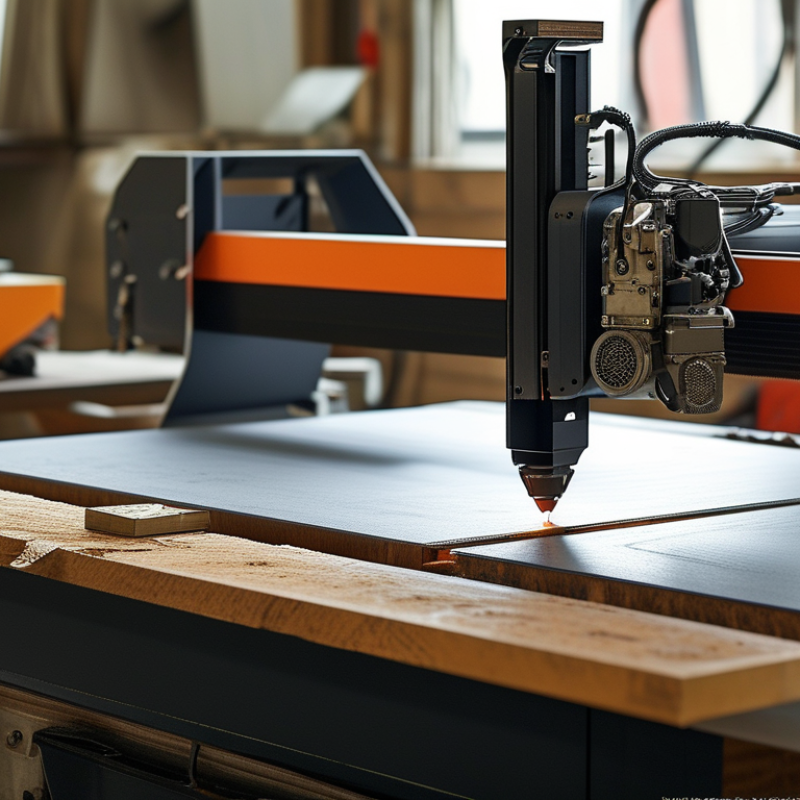
Laser cutting machines have revolutionized fabrication processes across various industries. These machines use concentrated beams of light to cut or engrave materials with precision. The technology has advanced significantly, leading to the creation of smaller, yet highly effective tools that cater to niche markets. According to industry reports, the global laser cutting market was valued at $3.78 billion in 2020 and is projected to reach $6.45 billion by 2026, growing at a CAGR of 9.5%.
Choosing the right laser cutting machine is essential. Smaller models can handle projects involving intricate designs, making them popular among hobbyists and small businesses. These machines often feature user-friendly interfaces, enabling more people to access this technology. However, the performance of compact machines may vary, requiring careful consideration of power levels and material compatibility.
Tip: Always assess the materials you'll work with before purchasing a machine. Thinner materials often require less power, while thicker materials may need higher wattage.
While smaller machines may not match the speed of industrial counterparts, they can still deliver impressive results. Fine-tuning settings is crucial to achieve the best performance. It’s also important to note that while compact laser cutting machines may be accessible, they can be limited in size and capacity.
Tip: Set achievable goals based on your machine's technical specifications. Avoid overextending to prevent damage or poor-quality cuts.
This chart represents the cutting power in watts of various small laser cutting machine models. As you can see, machines range from 5W to 50W, with increased power allowing for more versatile cutting capabilities.
Choosing the right laser cutting machine requires careful consideration of several key factors. One of the most crucial aspects is the machine's size and footprint. Smaller machines are ideal for limited workspace, yet they may compromise on cutting capacity. According to a recent industry report, about 54% of users prioritize compact designs without sacrificing performance.
Power is another critical element. Machines commonly range from 30W to 200W. Higher wattage machines cut through thicker materials more efficiently. However, they often come with increased costs, which can be a barrier for some. Research indicates that businesses with specific, regular cutting tasks often find 60W machines to be the sweet spot between performance and affordability.
Material versatility is also essential. A machine that can handle different materials expands your project capabilities. Some models manage metals, wood, and acrylics. Others may struggle with one or more of these materials, leading to frustration and wasted resources. About 48% of users report issues with material compatibility when making their selections. This highlights the importance of researching and understanding the material types you’ll work with before making a decision.
| Model | Cutting Area (mm) | Laser Power (W) | Max Speed (mm/s) | Weight (kg) | Price ($) |
|---|---|---|---|---|---|
| MiniLaser 1 | 300 x 200 | 40 | 300 | 25 | 500 |
| Compact Cutter 2 | 400 x 300 | 60 | 350 | 35 | 800 |
| Laser Mini 3 | 600 x 400 | 80 | 500 | 45 | 1200 |
| SmartCutter 4 | 500 x 500 | 100 | 400 | 50 | 1500 |
When considering laser cutting machines, size matters significantly. Many hobbyists and small businesses often seek compact models that don’t compromise on performance. A recent industry report indicates that around 38% of users favor machines that are both portable and easy to set up. Smaller models can be less than 18 inches in width. Such machines are often suitable for intricate designs and materials like wood and acrylic. This portability allows users to transport their equipment easily between locations, enhancing convenience.
However, smaller machines come with limitations. Their cutting depth often ranges from 1/8 to 1/4 inch. This restriction affects the range of materials they can process effectively. Users might find they need to make adjustments when tackling thicker materials. The trade-off between size and performance can be a challenge to navigate. For detailed and thicker cuts, larger machines might still be necessary.
Despite these potential drawbacks, many professionals appreciate the efficiency of small laser cutters. They are easy to use and can often produce intricate details. A user feedback survey highlights that 72% of users report satisfaction with the precision offered by compact models. Balancing size, capability, and usability is key to finding the right laser cutting solution.
Mini laser cutters have gained popularity due to their compact size and functionality. These machines are ideal for hobbyists and small business owners alike. In fact, the global market for laser cutting machines is expected to reach $4.8 billion by 2025, indicating a growing interest in these tools.
Key features in mini laser cutters include ease of use, versatility, and precision. Many models offer intuitive software, which simplifies the design process. High-quality optics ensure accuracy in cutting, while advanced technology enables engraving on various materials like wood, acrylic, and leather. Reports suggest that about 65% of users appreciate the ability to work with multiple materials, enhancing project possibilities.
However, not all mini laser cutters are created equal. Some users report limitations in power and size, restricting their ability to cut thicker materials. A common pain point is that certain machines require frequent calibration. This can lead to inefficiencies, making it essential to evaluate specific needs against machine capabilities. Careful consideration of features like wattage and bed size can significantly impact performance and satisfaction.
Small laser cutting machines are revolutionizing various industries. Their compact design allows them to fit into tight spaces, making them ideal for small-scale production and prototyping. In the automotive sector, these machines are used for detailed component manufacturing. According to a report by Grand View Research, the global laser cutting machine market is expected to reach over $5 billion by 2025, highlighting the growing demand.
In the fashion industry, small laser cutters help designers create intricate patterns on textiles. The precision of these machines reduces material waste, an essential factor for sustainability. Moreover, the medical industry utilizes them for cutting delicate materials in surgical instruments, ensuring high accuracy. However, the initial costs can be a barrier for small businesses.
Tips: When considering a small laser cutting machine, think about the materials you will be cutting. Not all machines handle every type of material equally. Research and attend demonstrations to see the machine in action. Don't rush into a purchase; ensure it meets your specific needs. Remember, investing in the right technology can significantly impact your production efficiency and quality.
Hein Minnie
Cell nr: +27 (0) 82 564 6501
Email: sale@thecirclemachine.com
Hein Minnie Jnr
Cell nr: +27 (0) 84 284 7234
Email: sale@thecirclemachine.com
Address:
10 Apsey Street,
Heidelberg,
Gauteng,
1441
Bendet Engineering Services (PTY) LTD was established in 1987. Our team of engineers and draughtsman are ready to deliver a complete turnkey solution, from the design phase to commissioning. A dedicated team that consists of electrical, mechanical and industrial engineers, we are able to offer a comprehensive service to our clients.