What is a Small Paint Booth and How to Choose One?
In the world of automotive and industrial painting, a small paint booth plays a crucial role. According to John Smith, a leading expert in the field, “Choosing the right small paint booth can make or break your project.” His insights underline the importance of these specialized spaces. A small paint booth ensures controlled conditions, reducing dust and debris while maximizing efficiency.
When selecting a small paint booth, consider several factors. Size is key. Will it fit your workspace? Ventilation is another critical aspect. A well-ventilated booth enhances safety and quality. Additionally, features like lighting and filtration systems greatly impact your finished product. Many overlook these details, leading to unsatisfactory results.
Reflecting on personal experiences, I've seen many choose booths based solely on price. This often leads to regret when the equipment fails to meet their needs. A thoughtful choice prioritizes functionality over initial costs. Investing time in research pays off in the long run. Ultimately, understanding what you need from a small paint booth is vital for success.
What is a Small Paint Booth?
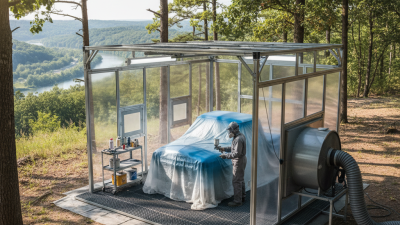
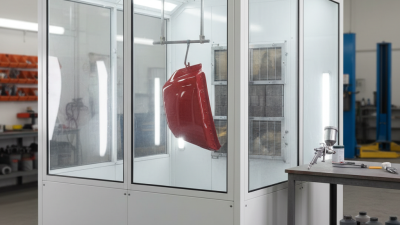
A small paint booth is a designated area for painting small items. It helps control overspray and provides a safer environment for both the user and the surroundings. Typically, these booths come equipped with ventilation systems that help clear out fumes and particulates. This is crucial for maintaining air quality and ensuring a healthy workspace.
When considering a small paint booth, think about the size you need. The booth should accommodate the items you plan to paint comfortably. Also, consider the material; a sturdy booth can withstand the rigors of daily use. Be mindful of the lighting within the booth. Good lighting can enhance visibility and accuracy during the painting process. Not all booths offer adequate lighting, which can lead to mistakes.
Choosing the right paint booth requires some reflection on your specific needs. Assess how often you will use it and the type of projects you typically undertake. Understand that some cheaper models may not provide sufficient filtration. This could lead to costly health risks in the long run. Prioritize the features that align with your requirements to ensure you make a reliable investment.
Key Features of Small Paint Booths
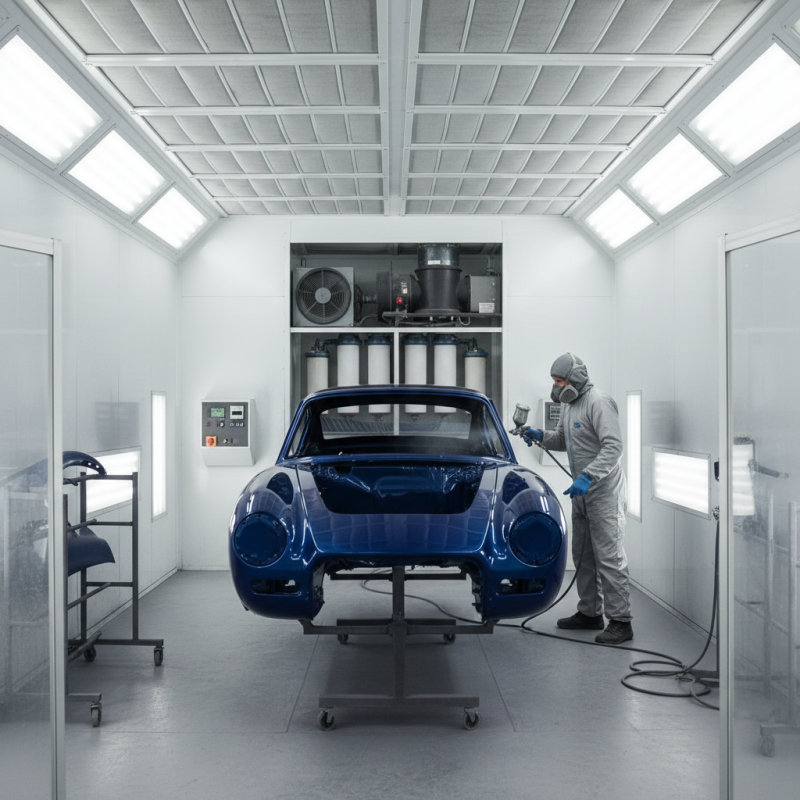
When selecting a small paint booth, key features play a significant role in ensuring effectiveness and safety. One essential aspect is the booth's ventilation system. A proper airflow design minimizes harmful fumes and improves air quality. Look for booths with adjustable exhaust fans. These allow you to control airflow based on project needs.
Another important feature is the size of the booth. The dimensions should accommodate your projects without excess space. A well-fitted booth ensures efficient use of materials and time. Consider the height and width based on the largest item you'll paint. It’s crucial to find a balance between workspace and storage.
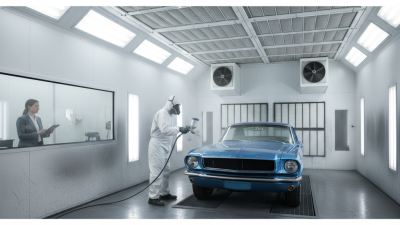
Lighting is often overlooked but vital for quality results. Bright, even lighting helps in detecting imperfections during the painting process. LED lights are a reliable choice for their longevity and energy efficiency. It's also advisable to consider filtration systems. High-quality filters reduce overspray and improve air quality. Regular maintenance of the booth is essential for long-term performance. Without this, issues can accumulate, leading to inefficiencies and safety hazards.
Benefits of Using a Small Paint Booth
A small paint booth is a vital tool for anyone involved in painting and finishing processes. These booths offer numerous benefits, enhancing the quality and efficiency of projects. One major advantage is improved air quality. According to industry reports, proper ventilation in paint booths can reduce airborne contaminants by up to 90%. This significantly lowers the risk of health issues for workers.
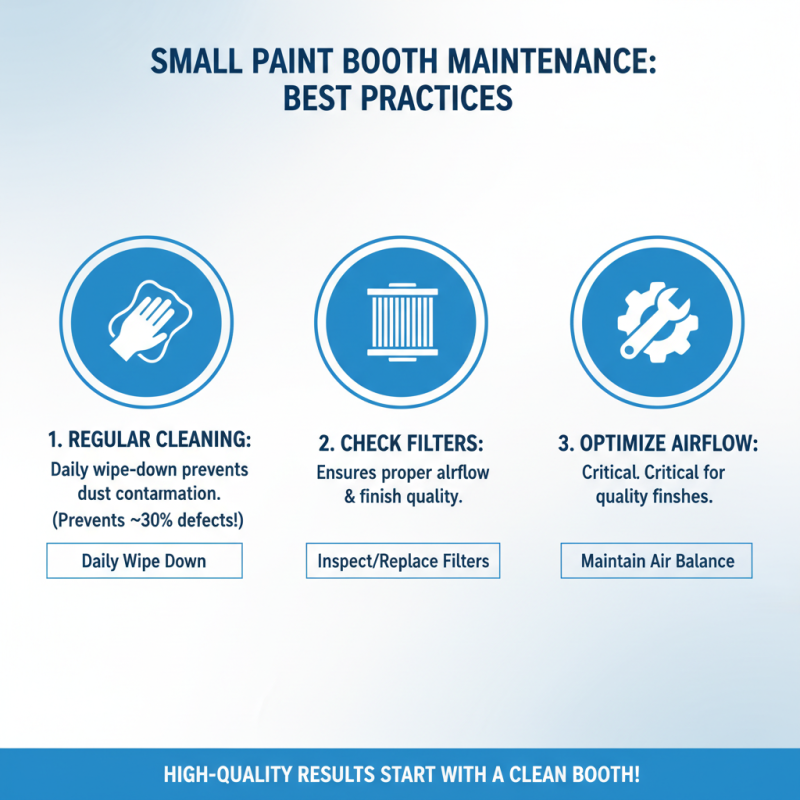
Another key benefit of small paint booths is uniformity in finishing. Paint booths help maintain consistent temperature and humidity levels. This consistency can lead to better adhesion and overall finish quality. Research indicates that projects completed in controlled environments can show up to 30% fewer defects. A small paint booth can drastically reduce the time and resources spent on rework.
Tips for choosing a small paint booth: Consider space requirements. Ensure it fits your workspace without compromising accessibility. Check for proper ventilation systems. A good paint booth must effectively filter out overspray and harmful vapors. Finally, review the materials used in construction. Sturdy booths can endure the rigors of daily use while maintaining their integrity. While these considerations seem straightforward, many overlook them in haste. Take time to reflect on both your needs and the booth's capability to meet them.
Factors to Consider When Choosing a Small Paint Booth
When choosing a small paint booth, consider several crucial factors. Size is essential, as it determines what projects can be accommodated. A booth that is too small will limit your creativity and efficiency. Evaluate the dimensions of your largest items. Make sure you have enough space to move around comfortably.
Ventilation is another key factor. Good airflow ensures safety and improves paint application quality. Poor ventilation can lead to harmful fumes lingering in the booth. Look for booths with built-in exhaust systems. Ensure they comply with local safety regulations.
Tips: Always check the paint booth's filter quality. High-quality filters capture particles effectively. Regular maintenance can prolong the life of your booth. Also, think about portability. If your space is limited, consider a booth that can be disassembled and moved easily.
Another aspect to reflect on is the lighting. Proper lighting is crucial for spotting imperfections during the painting process. Make sure the booth is well-lit with even illumination. This can significantly impact your finished product's quality, allowing for better detailing and accuracy. Choose wisely, as this decision can affect your work's overall outcome.