




Choosing the right Quick Connect Fitting can significantly impact your project's efficiency and effectiveness. These fittings play a crucial role in various applications, from plumbing to industrial setups. Understanding their significance is key to making a smart choice.
When selecting a Quick Connect Fitting, consider the material. Some may offer better durability than others, but it’s vital to match them with the specific system requirements. Size matters too; a wrong size can lead to leaks or failures.
Another point to ponder is compatibility. Not all Quick Connect Fittings work seamlessly across different systems. This can lead to frustrations and unnecessary costs. Take the time to research and ensure you're making an informed decision. Embrace the challenge of finding the right fitting—it can refine your project’s success substantially.
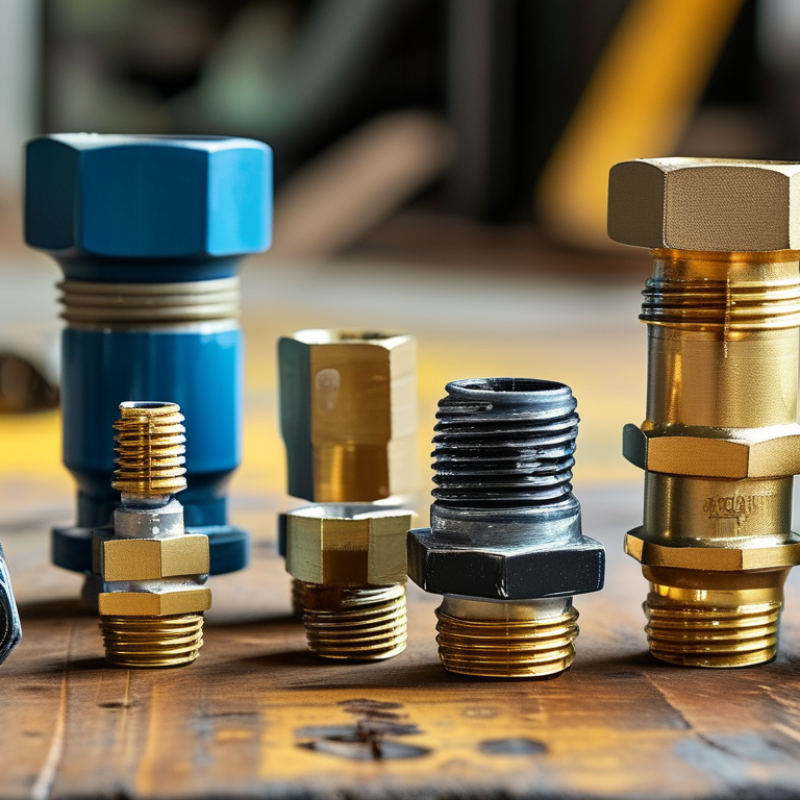
Quick connect fittings are essential in various projects, providing ease of use and efficiency. Understanding their basics can help you make informed choices. These fittings allow for fast connections without needing tools. They fit in hydraulic, pneumatic, and other applications, streamlining a variety of tasks.
When selecting quick connect fittings, consider the type of fluid or gas they will handle. Not all fittings are created equal. Ensure that the materials can withstand the chemicals involved. Look for catalog specifications that detail pressure ratings and temperature ranges. Verifying these details can save you headaches later.
Check compatibility with existing equipment. Misalignment can lead to leaks or system failures. Pay attention to the design; some fittings are easier to grip or connect. When connecting, ensure cleanliness to avoid contamination. Reflect on your project needs, as sometimes, a cheaper option may lead to higher costs over time. Prioritize reliability to ensure the longevity of your connections.
Choosing the right quick connect fittings requires a clear understanding of your project's needs. Consider the application where these fittings will be used. For high-pressure systems, ensure the fittings can withstand the pressure without leaking. This affects safety and performance. The materials you select are also crucial. Some applications may require corrosion-resistant materials, while others need flexibility. Think about how the fitting will connect to existing equipment or hoses.
Evaluate the specifications like size and compatibility. Incorrect sizing can lead to connection failures. It's essential to measure the existing components accurately before making a choice. Sometimes, even small discrepancies can lead to significant issues down the line.
Focus on the ease of installation. Some fittings may be quicker to connect than others. However, this shouldn't compromise the integrity of the connection. Take the time to practice using new fittings. Get comfortable with their features. Every project has unique demands that require attention and planning.
When evaluating material options for quick connect fittings, it's crucial to balance performance and cost. Common materials include plastic, brass, and stainless steel. Each offers distinct advantages and drawbacks that could influence your project.
Plastic fittings are lightweight and resistant to corrosion, making them ideal for less demanding applications. However, they may not withstand high pressures. Brass fittings are often chosen for their strength and resistance to wear. They offer good performance but can tarnish over time. Stainless steel connects durability with resistance to rust, which is perfect for harsh environments. But the cost can be a deterrent.
Choose materials that align with your project's specific demands. Consider the temperature and pressure requirements. Also, think about the environment where the fittings will be used. Do you need something that can handle extreme conditions? Evaluate how long you expect the fittings to last.
Reflect on your experience with different materials. What worked well? What didn't? Sometimes, trial and error is part of the process. Testing various options can lead to better decisions in the long run. Consider consulting with experts if you're unsure. Their insights can guide you to reliable choices.
When choosing quick connect fittings, assessing pressure ratings and compatibility standards is crucial. Pressure ratings determine the maximum pressure the fittings can withstand without failure. According to industry reports, fittings can typically handle pressures ranging from 100 to 2,500 psi. Understanding these limits can help prevent equipment failures and costly downtime.
Evaluating compatibility standards is equally important. Materials used in fittings must match the fluids they will transport. For instance, using a fitting made of aluminum for corrosive chemicals can lead to rapid deterioration. The American National Standards Institute (ANSI) provides guidelines to help ensure material compatibility. Regular checks on these standards can mitigate risks associated with improper fittings.
When selecting fittings, consider these aspects. Look for certified fittings that meet industry standards. Also, ensure that the fittings are rated for the required operating pressure. Frequent testing of pressure ratings might reveal inconsistencies. Check for visible signs of wear and tear in your fittings regularly. A proactive approach can extend the life of your projects.
When working with quick connect fittings, installation and maintenance play vital roles in ensuring efficiency and durability. A report from the International Fluid Power Society highlights that improper installation can lead to leaks, which account for nearly 20% of fluid power system failures. To avoid such issues, always inspect the fittings for damage before installation. A clean, dry environment is crucial. Dust and moisture can compromise connection integrity.
Regular maintenance is equally important. Research indicates that fittings should be inspected bi-annually for wear and tear. Visual checks can reveal signs of corrosion or fraying. Lubricating the seals with appropriate substances can extend their lifespan. Remember to check the torque specifications based on the fitting type. Many users overlook this step, which can result in reduced efficiency.
Using correct connecting methods is essential. Gradually tighten fittings to avoid over-stressing them. Consider implementing a rigorous training program for team members involved in installations. This will improve overall competence and reduce the risk of mistakes. With these practices, you can enhance the reliability of your quick connect fittings and ensure their longevity in your projects.
Hein Minnie
Cell nr: +27 (0) 82 564 6501
Email: sale@thecirclemachine.com
Hein Minnie Jnr
Cell nr: +27 (0) 84 284 7234
Email: sale@thecirclemachine.com
Address:
10 Apsey Street,
Heidelberg,
Gauteng,
1441
Bendet Engineering Services (PTY) LTD was established in 1987. Our team of engineers and draughtsman are ready to deliver a complete turnkey solution, from the design phase to commissioning. A dedicated team that consists of electrical, mechanical and industrial engineers, we are able to offer a comprehensive service to our clients.