








Industrial Metal Detectors play a crucial role in various industries, ensuring product safety and compliance. According to a report by MarketsandMarkets, the global market for industrial metal detection equipment is expected to reach $1.1 billion by 2025. This growth highlights the increasing demand for advanced detection technology in sectors like food processing and pharmaceuticals.
These detectors identify metal contaminants in raw materials and finished products. This is essential to prevent costly recalls and safeguard consumer health. The effectiveness of Industrial Metal Detectors is influenced by factors such as sensitivity, product type, and operational environment. Some devices excel in dry materials, while others are tailored for wet or hot products.
However, not all detectors perform equally under different conditions. Inadequate testing and misalignment can lead to failures in detection. Thus, regular calibration and maintenance are vital for maximizing performance. As industries evolve, embracing innovations in metal detection will remain essential, paving the way for safer production processes and higher standards.
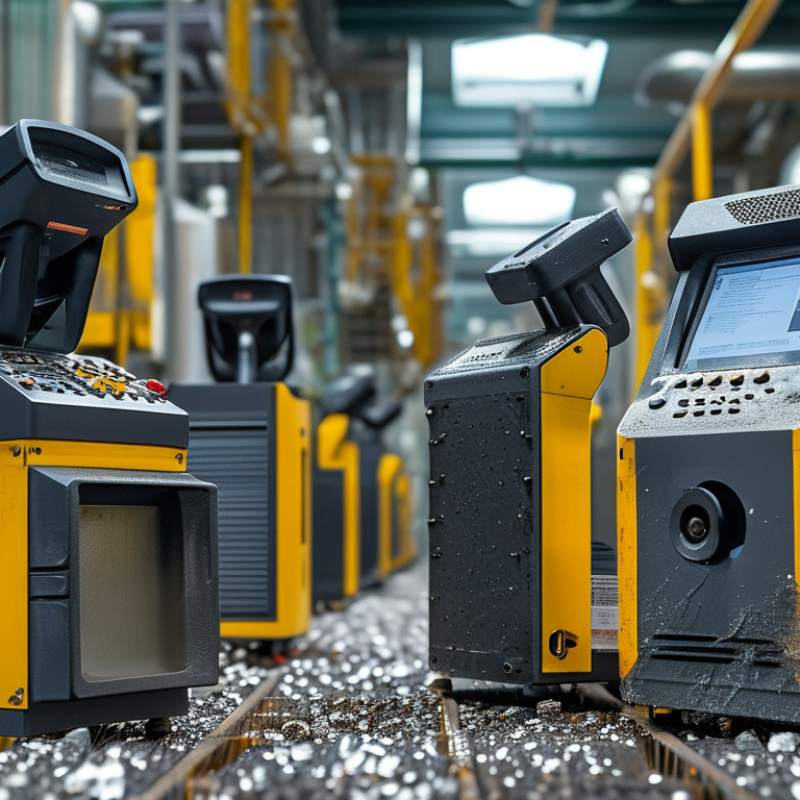
An industrial metal detector is a specialized device designed to locate and identify metal objects within various materials. These detectors are vital in industries like food processing, pharmaceuticals, and manufacturing. They help ensure product safety and protect costly machinery from potential damage caused by metal contaminants.
Industrial metal detectors function through electromagnetic fields. When metal enters the field, it disrupts the signal, alerting operators to the presence of unwanted materials. This technology provides real-time feedback, allowing for immediate action. Regular maintenance is crucial to ensure detectors are functioning optimally.
Tip: Always calibrate your metal detector according to the specific materials you are processing. Different materials can affect detection sensitivity.
In practice, not all metal detectors are created equal. Some may struggle with complex product variations. It’s important to trial different types before settling on a solution.
Tip: Consider investing in training for operators. Effective use of metal detectors can significantly enhance product quality and safety.
Industrial metal detectors are essential in various sectors, especially food processing and packaging. These detectors ensure product safety by identifying contaminants. Key components of these detectors include the detector head, control system, and conveyor systems.
The detector head is the heart of the system. It uses electromagnetic fields to sense metal contamination. According to a report by MarketsandMarkets, the industrial metal detection market is projected to reach $4.5 billion by 2025. This growth is linked to increasing safety regulations across industries. The control system processes signals received from the detector head. It can easily differentiate between different types of metals.
Conveyor systems play a crucial role in metal detection. They transport products through the detector efficiently. However, not all conveyor systems are created equal. Their speed and design can affect detection accuracy. A misalignment can result in false negatives, leading to potential risks. It's crucial for manufacturers to regularly review and update these systems to maintain reliability in detection.
Industrial metal detectors play a crucial role in various industries by ensuring product safety and quality. These devices work on the principles of electromagnetic induction. When a metal object passes through the detector, it disrupts the magnetic field generated by the device. This disruption creates a signal that alerts operators to the presence of metal contaminants.
According to a report by the Food Safety and Inspection Service, approximately 70% of food recalls are linked to foreign materials. This statistic highlights the importance of metal detectors in the food processing sector. The technology varies, with some detectors designed for specific applications, like detecting small metal fragments in packaged foods, while others may target larger metal objects in manufacturing environments.
The mechanisms involved can be complex. Different types of sensors, such as balanced coil systems or multi-frequency detection, are adapted for varying environmental conditions. Calibration is essential, as the effectiveness of detection can decrease over time. Regular maintenance and periodic evaluations are often overlooked but are vital for optimal performance. An inadequate system may lead to significant risks, including costly recalls and severe damage to a company's reputation.
Industrial metal detectors play a vital role across various industries. In food processing, for instance, they ensure product safety by detecting harmful metal contaminants. According to a report by the Food Safety and Inspection Service, metal contamination can lead to costly recalls and potential health risks. Installing these detectors can significantly reduce such incidents, enhancing product integrity.
In the packaging sector, metal detectors verify the quality of materials. They identify foreign objects in packaging lines, thus preventing equipment damage. A study from the Packaging Machinery Manufacturers Institute indicates that improper detection can lead to a 30% increase in machinery downtime. Industries, therefore, heavily rely on accurate metal detection to maintain efficiency.
These detectors are crucial in pharmaceuticals as well. They help enforce strict compliance with industry standards. A report from the International Pharmaceutical Federation highlights that metal contaminants can compromise product safety. The consistent use of detectors in this field reflects a commitment to quality and patient safety. Yet, even with advanced technology, some challenges remain in optimizing detection thresholds and reducing false positives. Continuous improvement in detector technology is necessary for enhanced reliability.
Industrial metal detectors are crucial in many sectors, ensuring product safety and quality. They detect unwanted metallic contaminants in food, pharmaceuticals, and packaging. The benefits of using these detectors are significant. Firstly, they enhance consumer safety by reducing the risk of metal-related injuries. This builds brand trust and improves company reputation.
However, challenges exist. False positives can occur, leading to unnecessary production halts. This impacts efficiency and can frustrate staff. Additionally, regular calibration and maintenance are essential to ensure accurate readings. Neglecting this can compromise product safety and lead to financial losses. Understanding these nuances is vital for implementing an effective metal detection system.
Operators must be trained properly. Knowledge gaps can lead to improper use of the equipment. Also, the cost of advanced detectors may deter some businesses. Balancing investment with the need for safety is an ongoing discussion. Regular assessments can clarify whether the benefits outweigh the drawbacks.
Hein Minnie
Cell nr: +27 (0) 82 564 6501
Email: sale@thecirclemachine.com
Hein Minnie Jnr
Cell nr: +27 (0) 84 284 7234
Email: sale@thecirclemachine.com
Address:
10 Apsey Street,
Heidelberg,
Gauteng,
1441
Bendet Engineering Services (PTY) LTD was established in 1987. Our team of engineers and draughtsman are ready to deliver a complete turnkey solution, from the design phase to commissioning. A dedicated team that consists of electrical, mechanical and industrial engineers, we are able to offer a comprehensive service to our clients.