








What are Farrowing Cages and Their Benefits for Farmers?

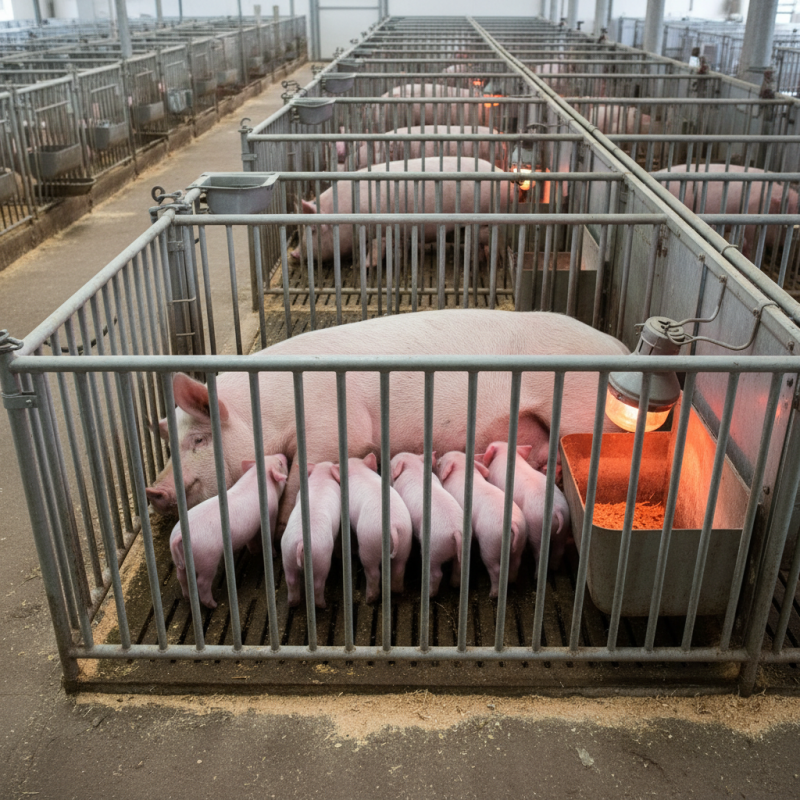
Farrowing Cages are specialized enclosures used in pig farming to enhance the management of sows and their piglets. These structures provide a safe and controlled environment for sows during the critical farrowing period. By limiting the movement of the sow, farrowing cages help prevent accidental injury to piglets. This confinement also allows farmers to monitor the health and well-being of the mother and her young more closely.

Farmers appreciate the efficiency that farrowing cages bring to their operations. They can feed and care for the sows without risking the safety of their offspring. However, the use of farrowing cages has sparked discussions about animal welfare. Critics argue that confinement may limit natural behaviors. While ensuring safety is crucial, it raises questions about the physical and psychological impacts on the animals.

Despite these concerns, many farmers advocate for farrowing cages as essential tools. With the right implementation and a focus on animal welfare, these cages can support sustainable farming practices. Understanding the balance between efficiency and animal health is vital for the future of pig farming.
What are Farrowing Cages and Their Benefits for Farmers?

Definition of Farrowing Cages and Their Purpose in Pig Farming

Farrowing cages are specialized enclosures designed for sows during the birthing process. They provide a secure environment where mother pigs can give birth and care for their piglets. The design often allows sows to lie down comfortably while restricting their movement to prevent accidental injury to the newborns.

Farmers appreciate farrowing cages for various reasons. They help ensure higher survival rates for piglets by limiting the risk of crushing. In addition, these cages can make monitoring the health of both the sow and her piglets easier. However, there are concerns about animal welfare. Critics argue that the confinement can lead to stress and behavioral issues in sows.

The effectiveness of farrowing cages can vary based on practices and management. Some farmers may find that providing more space reduces stress. Others might explore alternative systems that allow for more freedom. Balancing productivity with animal well-being remains a challenge in the industry.

Key Features of Farrowing Cages That Enhance Animal Welfare

Farrowing cages are essential tools in modern pig farming. They provide a conducive environment for sows during the farrowing process. One key feature is the structure's design, which allows sows to move comfortably while ensuring piglets stay safe. This design can significantly reduce the risk of crushing, a common concern for young piglets.

These cages also contribute to better hygiene. By providing a contained space, they limit the spread of diseases and control waste effectively. Farmers notice a marked improvement in the health of both sows and piglets. Enhanced animal welfare is crucial for the sustainability of farms.

When using farrowing cages, consider the size. Cages should allow sows enough room to lie down without compromising piglet safety. Regularly monitor animal behavior to identify signs of stress. Proper training for farm staff on cage management further boosts animal welfare outcomes. Pay attention to feedback from animals. Adaptations may be necessary to improve conditions continuously.

Economic Benefits of Using Farrowing Cages for Farmers

Farrowing cages offer significant economic advantages for farmers. These cages help protect newborn piglets, reducing mortality rates. With greater survival, farmers can expect a higher yield from each litter, boosting their overall production. Efficient use of space is another benefit. Farrowing cages allow farmers to better manage their breeding sows.

Farmers should consider the initial investment for farrowing cages. While they can be costly, the long-term savings on feed and care can outweigh these costs. Efficient feeding can reduce wastage, promoting healthier pigs and lowering expenses. Additionally, monitoring health is easier within a controlled environment.

Tip: Regularly inspect your cages for wear and tear. This can prevent unexpected costs in repairs. Also, track the performance of your sows closely. You might find patterns that can guide future breeding decisions.

Comparison of Farrowing Cages with Traditional Farrowing Techniques

Farrowing cages have become a point of discussion among farmers. These structures differ significantly from traditional farrowing techniques. Traditional methods often allow sows to roam freely. However, this can lead to issues like piglet crushing and insufficient space. Reportedly, 15% of piglets can be lost during birth due to such accidents. Farrowing cages, conversely, provide a controlled environment that enhances safety.

Research indicates that farrowing cages improve survival rates of piglets by up to 20%. These cages allow sows to be confined in a specific area while still providing room for them to lie down comfortably. Such an arrangement prevents piglet crushing, as sows cannot roll over onto the young ones. Critics argue that these cages can restrict natural behaviors, which may lead to stress in sows. This contradiction highlights the need for careful management in their use.

Despite these concerns, many farmers report better overall health and productivity with farrowing cages. A recent study found that farms using cages had 10% higher weaning rates than those using traditional methods. This data shows a clear economic benefit for farmers willing to adapt. Balancing animal welfare and farm efficiency remains a critical challenge for the industry.

Common Misconceptions and Criticisms of Farrowing Cages in Agriculture

Farrowing cages are often a point of contention in agriculture. Critics argue that these enclosures restrict the natural behaviors of sows. For instance, sows in cages cannot turn around easily. This limitation raises ethical concerns about animal welfare and stress levels. Many people visualize these cages as cold and unwelcoming spaces.

There are also misconceptions about the benefits of farrowing cages. Some believe these cages only prioritize production efficiency. Yet, when used properly, they can actually enhance the safety of piglets. In a cage, a sow is less likely to accidentally harm her offspring. However, this often leads to a debate over whether the safety of piglets should come at the cost of sow comfort.

Farmers face a dilemma. On one hand, they aim to maximize productivity. On the other hand, they must consider animal welfare and public perception. The ongoing discussion about farrowing cages demonstrates the complexity of modern agriculture. More research is needed to find solutions that balance these competing interests.

Farrowing Cages: Benefits and Criticisms

Open chat
Scan the code
Bendet Sales Assistant
Hi There👋,
Thank you for visiting our website, How can I help you?