How to Maintain a Cooling Tower Efficiently?
cooling towers play a crucial role in many industrial processes. Maintaining them efficiently is essential for optimal performance. As Bob Thompson, a renowned expert in the cooling tower industry, once stated, “A well-maintained cooling tower can save energy and extend lifespan.” This highlights the significance of regular maintenance.
Effective maintenance strategies can sometimes be overlooked. Regular inspections are vital. Many operators fail to check water quality regularly, leading to scaling and fouling. Additionally, understanding the components of a cooling tower is crucial. Each part contributes to the overall efficiency. Neglect could result in costly downtime.
Incorporating technology can enhance maintenance practices. Automated monitoring systems provide real-time data. However, many teams still rely on manual checks. This creates room for error. Regular training can help staff understand the importance of these systems. The key lies in finding the right balance between technology and hands-on experience.
Understanding the Basics of Cooling Towers and Their Functionality
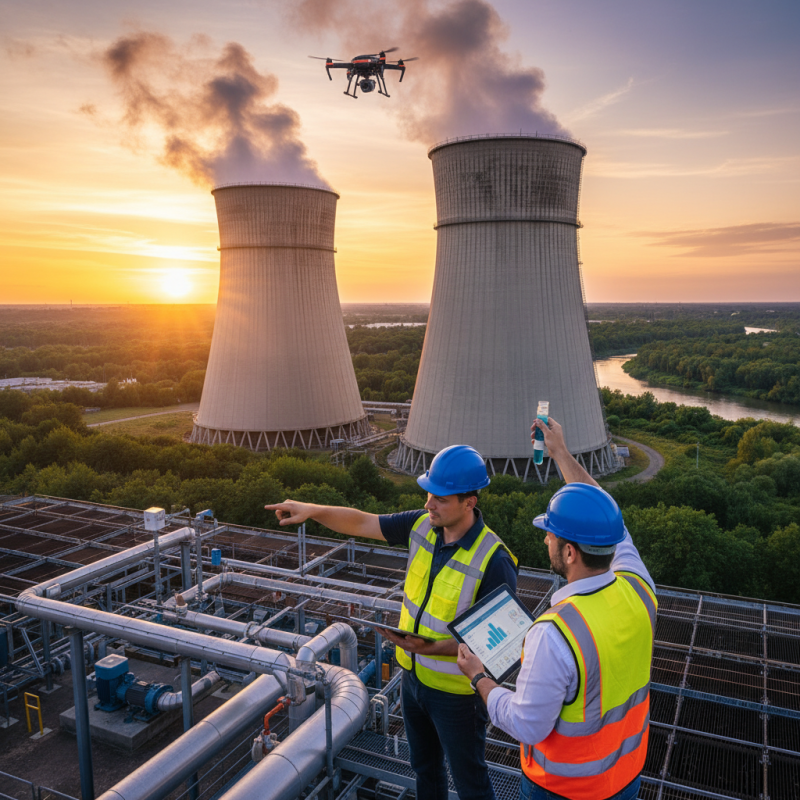
Cooling towers play a critical role in industrial processes by dissipating heat from water-cooled systems. They operate by using a combination of air and water to transfer excess heat. Typically, water circulates through equipment, absorbing heat before it reaches the tower. Once inside the cooling tower, this warm water is spread over fill media, increasing surface area. Ambient air flows through, evaporating some of the water and lowering its temperature.
An effective cooling tower can enhance energy efficiency significantly. According to a report by the Department of Energy, poorly maintained cooling towers can increase energy costs by up to 30%. Regular maintenance can prevent such inefficiencies. Important tasks include checking water levels, cleaning the fill media, and inspecting pumps for leaks. A 2019 study revealed that over 60% of cooling systems operate under less than optimal conditions, often due to neglect. These insights highlight how simple maintenance tasks can yield substantial savings.
It's worth noting that performance can vary widely among different cooling towers. Factors like age and design impact efficiency levels. A study showed that older towers often suffer from fouling and scaling, reducing their cooling capacity. Industry experts recommend implementing regular inspections and audits. This proactive approach helps identify issues before they escalate, ensuring reliable operation throughout the tower's lifespan.
Key Components of a Cooling Tower and Their Maintenance Needs
Cooling towers are essential for various industrial processes. Understanding their key components is vital for maintaining efficiency. The main parts include the fan, pump, fill media, and drift eliminators. Each component has specific maintenance needs.
Regularly inspect the fan and motor assembly. Ensure they are free from debris. Fans typically operate at low efficiency when dirty. Pumps should also be checked regularly. A report from the International Institute of Water and Wastewater highlights that routine maintenance can boost pump efficiency by 25%.
**Tip:** Clean the fill media regularly. Clogged fill media reduces heat transfer efficiency. Use appropriate cleaning agents to avoid damage.
Drift eliminators are often overlooked. They help prevent water loss and chemical drift. If they become damaged, water waste can be significant. Some facilities report losing up to 10% of their water through inefficient eliminators.
**Tip:** Regularly replace worn-out drift eliminators. This simple action can lead to noticeable savings.
Keeping components in check not only preserves performance but also supports sustainability. Even small lapses in maintenance can lead to inefficiencies. A comprehensive approach is crucial for optimal cooling tower operation.
Regular Maintenance Practices for Optimal Cooling Tower Performance
Regular maintenance practices can significantly enhance cooling tower performance. Cleaning is a must. Remove debris from the fill media and basin regularly. This prevents blockages and supports airflow. Water quality monitoring is crucial too. Test for chemical imbalances or contaminants often. This ensures efficient heat exchange.
Inspect components like fans and pumps frequently. Listen for unusual noises; they can signal issues. Lubricating moving parts keeps them running smoothly. Check alignment and belt tension as well. Small adjustments can lead to better efficiency. Remember to assess water levels. Low water can impact cooling capacity.
Documentation is essential during maintenance. Keep a log of all services performed. Track when tasks were done and future needs. This helps in planning and can reveal patterns. Reflecting on past maintenance can provide insights. Continuous improvement is vital for optimal performance. Don't neglect these details—their impact is significant.
Monitoring Water Quality and Levels in Cooling Towers
Maintaining optimal water quality in cooling towers is crucial for efficiency. Regular monitoring is essential. Operators should measure parameters like pH, conductivity, and hardness. This information helps prevent corrosion and scaling. Water that is too hard can lead to deposits on vital components.
In addition to chemical balance, water levels must be checked frequently. Low levels can cause overheating. High levels could lead to overflow or wasted water. Implementing a reliable water level indicator can simplify this task. However, sensors may fail, leading to potential issues.
Regularly inspecting for contaminants is also important. Algae bloom can disrupt operations. If detected early, treatment options can be implemented. It’s a constant battle. Operators often find time constraints and resource limitations challenging. Balancing these factors means that vigilance must be a core part of regular maintenance routines.
How to Maintain a Cooling Tower Efficiently? - Monitoring Water Quality and Levels in Cooling Towers
| Parameter | Ideal Range | Current Level | Action Required |
| Water Temperature | 80 - 90°F | 85°F | Maintain |
| pH Level | 6.5 - 8.5 | 7.2 | No action |
| Total Dissolved Solids (TDS) | < 500 ppm | 450 ppm | Monitor |
| Chlorine Level | 1 - 3 ppm | 2.5 ppm | Maintain |
| Water Level | Above 50% | 60% | Maintain |
Troubleshooting Common Issues in Cooling Towers for Efficiency
Cooling towers play a crucial role in various industrial processes, but they often face common issues that impair their efficiency. According to a data report by the U.S. Department of Energy, poorly maintained cooling towers can lead to energy losses of up to 30%. This highlights the importance of troubleshooting to maintain optimal performance.
One prevalent problem is scale buildup. Mineral deposits reduce heat transfer efficiency. Regular inspections can help detect and address this issue early. Additionally, water quality must be monitored. Improper pH levels or high levels of contaminants can lead to corrosion and shorten the lifespan of components. A report from the American Society of Heating, Refrigerating, and Air-Conditioning Engineers (ASHRAE) indicates that maintaining water quality can improve energy efficiency by 15%.
Another challenge is airflow blockage. Debris and biological growth can obstruct airflow, increasing energy consumption. This issue often goes unnoticed until significant performance drops occur. Routine cleaning and biocide treatments are essential. Ignoring these simple steps could lead to bigger, more expensive repairs later. Regular maintenance checks help catch these problems. They can save companies both time and money in the long run.
Cooling Tower Efficiency Metrics
This chart displays key metrics for maintaining the efficiency of a cooling tower. The water flow rate is measured in gallons per minute (gpm), cooling capacity is expressed in tons, and energy consumption is indicated in kilowatt-hours (kWh). Monitoring these parameters can help troubleshoot common issues and improve overall efficiency.