What is a Drift Kart and How Does it Work?
Drift Karts have taken the motorsport scene by storm, captivating enthusiasts around the globe. These custom-built, low-profile go-karts are engineered for drifting. They are not just playful toys; they allow drivers to experience the thrill of controlled skids and slides. According to Derek Johnson, a leading expert in the Drift Kart industry, “Drifting is not just a driving technique; it’s an art form.” His insight reflects the passion and precision involved in mastering this skill.
The mechanics behind a Drift Kart are fascinating. It typically features rear-wheel drive and a special suspension system. This design enables drivers to break traction at the rear wheels, allowing for exhilarating drift maneuvers. However, drifting requires practice and patience. Many beginners struggle with control and technique. The challenge is part of the learning curve that sets Drift Karts apart from regular go-karts. Engaging in this activity can spark feelings of both triumph and frustration, pushing drivers to refine their skills.
As the popularity of Drift Karts rises, so does the importance of safety and understanding the craft. Enthusiasts are encouraged to take proper training before diving in. Despite possible mishaps, the rewarding experience of drifting makes it worthwhile. Drift Karts are more than just vehicles; they represent a community of thrill-seekers and innovators.
What is a Drift Kart?
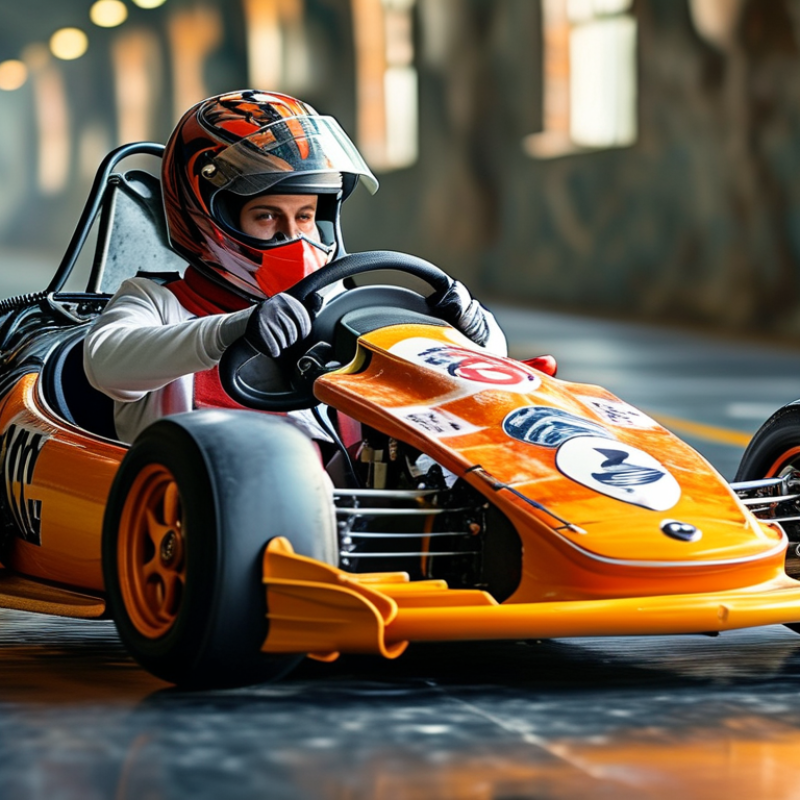
Drift karts are specialized go-karts designed for drifting. They use a rear-wheel-drive system to enable controlled slides. This differs from traditional go-karts, which emphasize speed and steering. Drift karts typically have lower grip tires, making them more suitable for drifting maneuvers.
According to a report by the International Karting Federation, the drift kart market has grown by 15% annually. This increase is driven by a rising interest in motorsports and competitive drifting events. Enthusiasts enjoy the thrill of maneuvering these karts in tight corners. Many local tracks host drift kart events, attracting spectators and participants.
However, drifting can result in accidents if not properly managed. Some new drivers underestimate the skill required. A lack of proper training can lead to collisions and damage. Incorporating safety features, like roll cages, is crucial. Drivers must also understand their limits. This sport challenges both skill and control, making it appealing yet demanding.
History and Evolution of Drift Karts
The history of drift karts traces back to the evolution of kart racing. Initially developed for go-kart racing, drift karts emerged in the late 1990s. Their aim was to deliver more thrilling experiences on the track. Early models were simple, but the demand for unique driving experiences drove innovation.
According to a 2021 market analysis report, the global karting market has experienced significant growth, with a projected expansion rate of about 7% annually. This rise correlates with the popularity of drifting events, becoming a staple in motorsports. As the sport gained traction, manufacturers started integrating advanced technologies. Features like improved steering systems and enhanced tire designs became standard.
Today, drift karts combine speed with adrenaline. However, challenges remain. Safety regulations must be updated to keep up with innovation. In addition, many enthusiasts find it difficult to master the art of drifting. The subtle balance between throttle control and steering is often overlooked. As the drift kart scene evolves, it invites continuous reflection on its future, balancing excitement with safety.
How Drift Karts are Designed and Built
Drift karts are fascinating machines designed for exhilarating drifting experiences. The design process involves careful consideration of various components. The chassis is usually lightweight yet sturdy, allowing for agile movements. This design helps maintain control during sharp turns and high-speed maneuvers.
The wheels play a crucial role in creating drift. Wider rear tires are often used, providing a balance between grip and slip. The front tires are typically narrower, which aids in steering precision. The axle and suspension systems are also critical, as they help absorb impacts during rough turns. Each kart is engineered to have a low center of gravity, enhancing stability during drifting.
Building a drift kart isn't without challenges. Engineers must select materials that withstand stress and wear. Frequent testing helps identify weaknesses. Sometimes, the kart might not respond as expected during races. Iterating the design is essential in these cases. This process teaches valuable lessons about balance, power, and control, shaping the future of drift kart engineering.
Mechanics of Drift Kart Operation
Drift karts have gained popularity for their thrilling performance and unique mechanics. At their core, drift karts operate with a combination of powered rear wheels and lightweight frames. This design allows drivers to initiate and maintain controlled slides, creating that exhilarating drift experience. According to a 2022 industry report, the karting sector has seen a 20% growth, driven largely by this drifting trend.
The mechanics of drift kart operation hinge on specific principles. Rear-wheel drive is essential, providing power to push the kart sideways instead of straight. Specialized tires, often with reduced grip, enhance the drifting capability. Research indicates that drivers can achieve optimal drift angles of up to 45 degrees with the right balance of speed and steering input. Yet, not all drivers master this immediately. Inconsistent handling can lead to frustration.
Maintaining balance is key. A kart that is too light may lose control, while a heavy one may struggle to drift effectively. Proper weight distribution influences performance significantly. According to karting experts, maintaining a central weight distribution within 5% can improve handling and response. Fine-tuning the setup is crucial; many experienced drivers spend hours adjusting their karts to achieve the perfect feel. This aspect often prompts reflection on the intersection between skill and equipment.
Drift Kart Performance Metrics
This chart illustrates key performance metrics for drift karts, showcasing their potential speeds, drift angles, acceleration capabilities, and brake forces. Understanding these factors is essential for optimizing drift kart design and operation.
Safety Features and Considerations for Drift Karts
Drift karts offer an exciting experience, but safety must come first. Many models feature a roll cage, protecting drivers in case of flips. Seat belts are essential, ensuring that drivers stay securely in place during sharp turns. Drivers should also wear helmets and gloves to enhance safety. These precautions minimize injury risks.
Racetracks designed for drift karts often have safety barriers. These barriers prevent karts from going off-track and reduce collision impacts. Additionally, it’s important to monitor the equipment regularly. Worn-out tires or brakes can lead to accidents. Operators must ensure that the drift kart is in top shape before use.
Event organizers should provide safety briefings. Participants need to understand basic drift techniques and kart control. This knowledge can be critical in avoiding mishaps. It’s not just about fun; it’s about enjoying the ride safely. Engaging in a drift experience calls for continuous learning and improvement in skills.