






What Are Conveyor Systems and How Do They Work?

Conveyor systems are essential in many industries. They move materials efficiently from one location to another. Understanding their function can enhance operational efficiency.

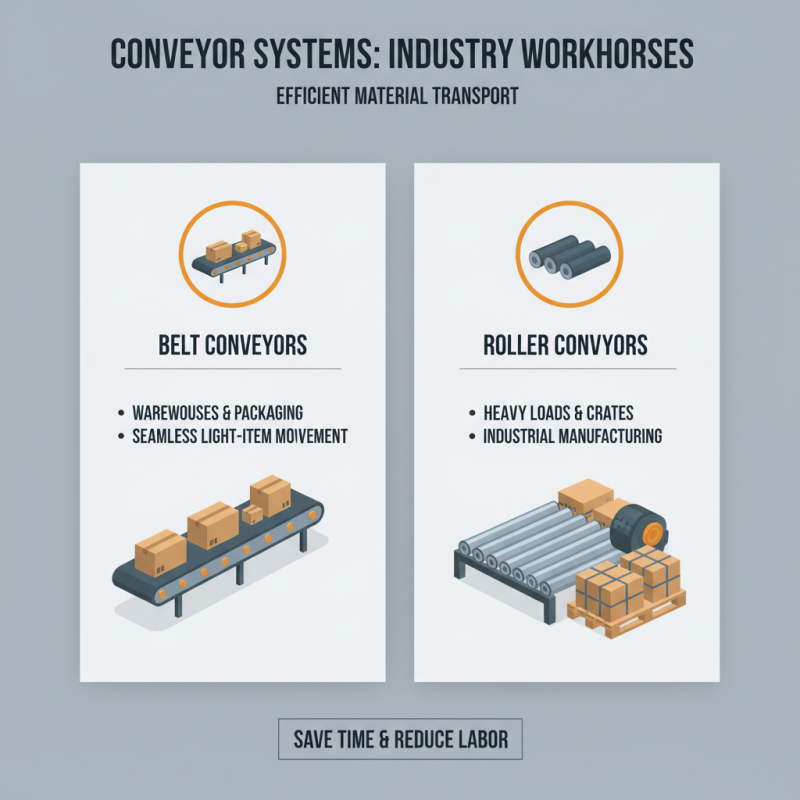
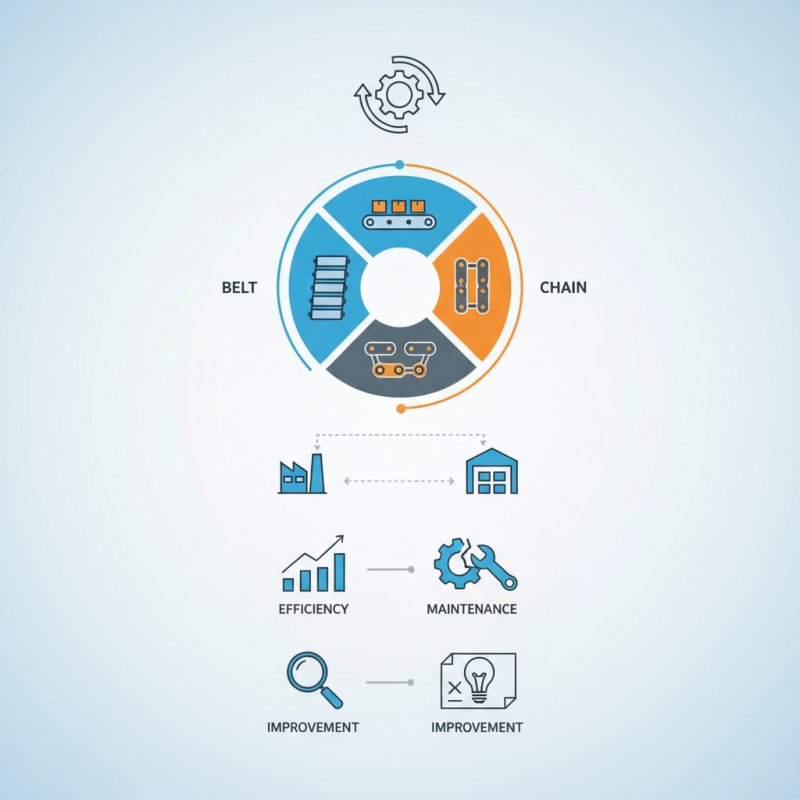
These systems come in various types, including belt, roller, and chain conveyors. Each type serves specific purposes. For instance, belt conveyors transport bulk materials like grains and coal. Roller conveyors are often used in warehouses.

However, not all conveyor systems are perfect. Some may break down or require maintenance. Reflecting on these challenges is crucial for improvement. The complexity of these systems means that regular assessments are necessary. Embracing the potential for error can lead to better design and functionality in the long run.
What Are Conveyor Systems and How Do They Work?

Understanding Conveyor Systems: Definition and Key Components

Conveyor systems are integral to many industries. They facilitate the movement of goods efficiently, which increases productivity and reduces manual labor. A typical conveyor system consists of several key components, each playing a vital role.

The frame holds the entire structure. It provides support and stability. Next, the belt or chain transports the items. This part is crucial for smooth movement. Rollers help guide and reduce friction. They allow products to glide easily. The drive motor powers the system, controlling its speed and direction. Maintenance is often overlooked; however, a well-maintained system operates better and lasts longer.

Sensors and controls enhance functionality. They monitor movement and detect issues. Sometimes, they fail; regular check-ups are essential. Safety features should never be ignored, as they protect workers and prevent accidents. Reflecting on the energy use is also important. Energy-efficient options exist but may require a higher initial investment. Balancing cost and sustainability is key.

The Mechanism of Conveyors: How They Operate Efficiently

Conveyor systems play a vital role in material handling. They transport goods efficiently across various industries. Understanding how these systems operate can lead to better productivity and reduced costs.

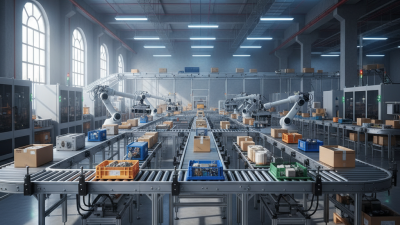
The mechanism behind conveyors is relatively simple. A belt or chain moves continuously on pulleys. Sensors often monitor the speed and load. This ensures optimal operation. Not all systems work perfectly, though. Sometimes, misalignments happen, which can cause delays. Regular maintenance is essential to prevent such issues.

Different types of conveyors cater to various needs. For instance, roller conveyors are ideal for heavy items; however, they may create bottlenecks if overloaded. Pneumatic conveyors, on the other hand, use air pressure and are great for lightweight materials. Still, they require precise calibration, which can become a point of contention if not managed well. Each system has its challenges, but understanding their workings contributes significantly to efficiency.

Types of Conveyor Systems: Exploring Various Designs and Uses

What Are Conveyor Systems and How Do They Work?

Conveyor systems play a crucial role in various industries. They transport materials efficiently, saving time and reducing labor costs. There are several types of conveyor systems, each designed for specific needs. For instance, belt conveyors are common in warehouses. They move items seamlessly along a belt. Roller conveyors, on the other hand, use rollers to transport goods. They're ideal for heavy loads.

Another type is the chain conveyor. These systems are robust, often used in automotive assembly lines. They can handle substantial weight but may require more maintenance. Over time, chains can wear out and need replacement. Moreover, overhead conveyors utilize space efficiently by moving items overhead. They are widely applied in retail environments.

Understanding the differences helps businesses make informed choices. Yet, choosing the right system can be challenging. Factors like product type, weight, and volume come into play. Sometimes, companies invest in systems that don't fit their needs perfectly. This can lead to inefficiencies and increased costs. Evaluation of options is vital for long-term effectiveness.

Applications of Conveyor Systems in Different Industries

Conveyor systems play a crucial role across various industries. In manufacturing, they transport products along the assembly line. This helps improve efficiency and reduce labor costs. For instance, heavy components can move seamlessly from one station to another, allowing workers to focus on quality checks. However, misalignments can occur, causing delays.

In warehouses, these systems handle sorting and packaging. Items are easily moved to specific locations. Automated conveyor belts ensure faster order fulfillment. Yet, automation can lead to dependency on machines. If the system fails, operations may grind to a halt.

In agriculture, conveyors aid in transporting harvested crops. They move them from fields to processing areas. This reduces the physical strain on workers. However, maintenance is essential to prevent breakdowns. Regular checks can prevent crop spoilage and ensure efficiency. Each industry benefits, but challenges remain.

Applications of Conveyor Systems in Different Industries

Benefits and Limitations of Using Conveyor Systems in Operations

Conveyor systems are vital in modern operations, enhancing efficiency. They automate the transport of materials, reducing manual labor. According to a report by Industry Research, conveyor systems can improve productivity by up to 30%. However, the implementation of these systems is not without challenges.

One key limitation is the initial investment. Setting up a conveyor system can be costly, with expenses potentially reaching hundreds of thousands of dollars. Some companies struggle with this upfront cost. Regular maintenance is another concern. Over time, conveyor belts may wear out, requiring expensive replacements. Faulty equipment can lead to delays and decreased productivity.

Despite these drawbacks, the benefits often outweigh the negatives. Conveyor systems save time, streamline processes, and enhance safety. However, for smaller businesses, these systems might feel overwhelming. Balancing costs with operational needs is essential. Understanding these aspects can guide informed decisions about incorporating conveyor systems into workflows.

What Are Conveyor Systems and How Do They Work? - Benefits and Limitations of Using Conveyor Systems in Operations

Dimension Details
Type of Conveyor Belt, Roller, Screw, Chain, Magnetic
Common Industries Manufacturing, Food Processing, Warehousing, Mining
Key Benefits Increased Efficiency, Reduced Labor Costs, Safety, Streamlined Operations
Limitations High Initial Investment, Maintenance Requirements, Limited Flexibility
Typical Conveyor Speed 20 to 100 feet per minute
Load Capacity Up to 2,000 pounds for heavy-duty systems
Power Source Electric Motors, Pneumatic Systems
Common Applications Material Handling, Assembly Lines, Packaging
Open chat
Scan the code
Bendet Sales Assistant
Hi There👋,
Thank you for visiting our website, How can I help you?