What is a Collaborative Robot Palletizer and How Does It Work?
In the evolving landscape of automation, the Collaborative Robot Palletizer stands out. This technology merges human skills with robotic precision. Experts like Dr. Emily Tran, a leader in robotics at Tech Innovations, emphasize its potential: "Collaborative Robot Palletizers redefine efficiency in material handling."
These systems are designed to work alongside human operators, enhancing productivity without replacing them. They can swiftly adapt to different tasks and environments. The aspect of collaboration is crucial. It allows for flexibility in operations while maintaining safety standards. Palletizing, a repetitive job that often leads to fatigue, becomes streamlined with these robots.
Despite their advantages, there are challenges. Implementation can be costly, and training is necessary for optimal use. Companies must weigh the benefits against the hurdles. In the end, the role of a Collaborative Robot Palletizer is not just about automation; it's about creating a synergy between human capabilities and robotic efficiency.
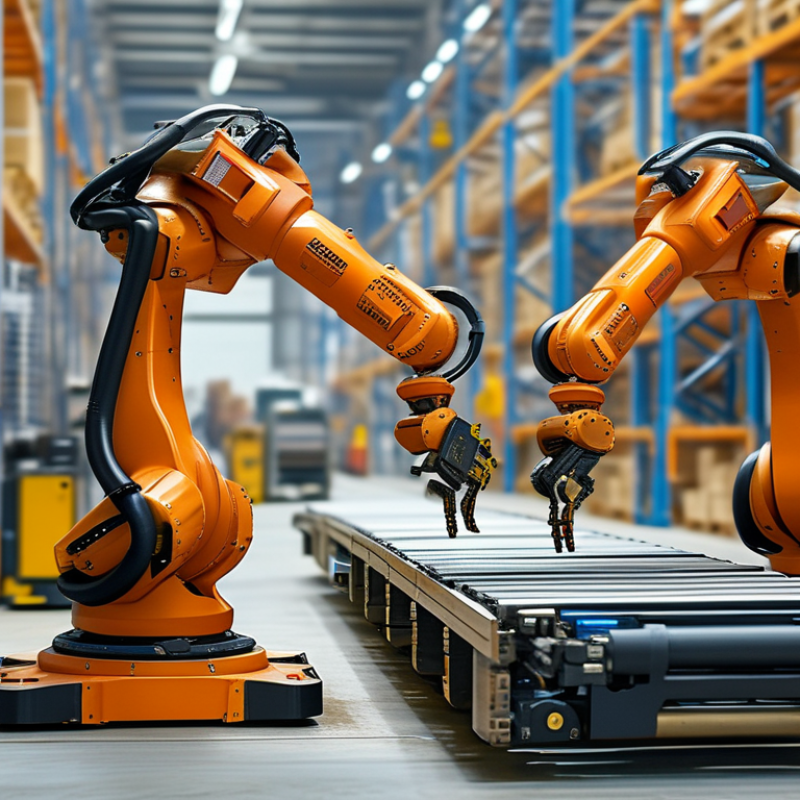
What is a Collaborative Robot Palletizer?
A collaborative robot palletizer is an advanced automation solution designed to streamline packaging and shipping processes. Unlike traditional palletizers, these robots work alongside human operators. This collaboration enhances efficiency and safety in various work environments. They are engineered to handle repetitive tasks such as stacking boxes and loading pallets efficiently.
These robots utilize sensors and advanced software to navigate their surroundings. They can identify products and determine the optimal stacking configuration. Their capacity to adapt to changing workflows is a significant advantage. However, integrating a collaborative robot palletizer is not without challenges. Workers must be trained to interact safely and effectively with these machines. Miscommunication between human and machine can hinder performance.
While the technology is impressive, it requires thoughtful implementation. Factors like workspace layout and product variety influence the success of the system. Monitoring the robot’s performance consistently is essential. Teams may find areas for improvement, as adjustments will often be necessary. Embracing collaborative robot palletizers can reshape operations, offering both opportunities and important lessons for productivity enhancements.
Key Components of a Collaborative Robot Palletizer
Collaborative robot palletizers, often referred to as cobot palletizers, are transforming warehouse and manufacturing operations. These systems are designed to work alongside human workers. Unlike traditional robotic palletizers, they are safer and more flexible. Key components play crucial roles in their functionality.
One of the main components is the robotic arm. It is usually equipped with advanced sensors. These sensors help the arm to detect the position of items accurately. The end effector, or gripper, is another vital piece. It can be custom-designed to handle various shapes and sizes of products, ensuring proper placement on pallets. Motion control systems coordinate the arm’s movements. These systems rely on sophisticated software to optimize speed and efficiency.
Despite their advantages, there can be challenges. Calibrating the robotic arm requires precision. Misalignment might lead to improper stacking. Sometimes, cobots struggle with varied product dimensions. Training them for different tasks can be time-consuming. However, the potential for improved productivity and reduced labor costs makes these systems worth considering. The balance between human and machine work remains a focus for many industries.
What is a Collaborative Robot Palletizer and How Does It Work? - Key Components of a Collaborative Robot Palletizer
| Component | Function | Material | Typical Use Case |
| Robotic Arm | Picks and places items onto pallets | Aluminum or Steel | Food and Beverage Packaging |
| End Effector | Handles different shapes and sizes of products | Rubber or Silicone | Cosmetics and Pharmaceuticals |
| Vision System | Recognizes product positions and orientations | High-resolution Camera | Electronics Assembly |
| Safety Sensors | Ensures safe operation around human workers | Photoelectric Sensors | Warehousing and Distribution |
| Control Software | Coordinates movements and operations | Custom Software Solution | Manufacturing Automation |
How Collaborative Robot Palletizers Operate
Collaborative robot palletizers have transformed the material handling industry. They are designed to work alongside human operators. This technology reduces the manual burden on workers while enhancing productivity. These robots can handle various tasks, such as stacking boxes or arranging products on pallets.
How do collaborative robot palletizers operate? They utilize advanced sensors and AI to navigate workspaces. These robots recognize their environment and avoid collisions with humans and objects. Safety is a primary concern, and these robots are programmed to stop immediately if they detect any danger. Their flexibility allows them to adapt to different product sizes and shapes.
While collaborative robot palletizers increase efficiency, challenges remain. Integrating them into existing workflows can be complex. Training staff to work with these robots is essential. Companies must continuously assess and refine their processes to maximize the benefits. Embracing this technology requires careful consideration of both human and robotic collaboration.
Benefits of Using Collaborative Robot Palletizers
Collaborative robot palletizers are transforming the logistics and manufacturing sectors. Their main advantage is versatility. They can adapt to different packaging types and sizes. Companies can modify them for various tasks, enhancing productivity. This flexibility reduces downtime and makes the workflow smoother.
Another significant benefit of collaborative robot palletizers is safety. They work alongside human operators, handling repetitive tasks without the risk of injury. This minimizes worker fatigue and improves job satisfaction. Companies also save on training costs, as these robots often require minimal setup. However, some businesses face challenges in integrating these robots into existing systems. It can lead to unexpected operational hiccups. Reflecting on these issues is crucial for a successful implementation.
Additionally, using collaborative robot palletizers can lower labor costs in the long run. While initial investments may be high, the potential for higher efficiency makes it worthwhile. However, companies must analyze their specific needs and automate thoughtfully. Striking a balance between automation and human labor remains essential.
Applications Across Industries for Collaborative Robot Palletizers
Collaborative robot palletizers have found applications across various industries. In warehousing, they streamline the process of stacking products onto pallets, improving efficiency. These robots can easily adapt to different product sizes and shapes. This adaptability helps reduce downtime and enhances productivity.
In manufacturing, robot palletizers handle everything from heavy boxes to delicate components. They ensure consistent and precise stacking techniques, minimizing the risk of damage. Moreover, collaborative robots work alongside human operators, enhancing safety on the factory floor. However, implementing these systems still requires careful planning and integration. It's essential to evaluate the workflow to optimize performance.
Food and beverage sectors also benefit from collaborative palletizers. They quickly stack cases for transportation, maintaining hygiene standards. Yet, variations in product design can cause challenges. Regular updates and assessments of the robot's programming are vital to address these issues. Continuous reflection on performance can help refine the palletizing process across industries.