How to Choose the Best Reusable Coffee Cup for Your Needs?
Choosing the best reusable coffee cup can feel overwhelming. With so many options available, it’s vital to understand what suits your lifestyle. A reusable coffee cup should not only reflect your personal style but also meet practical needs.
Consider material, size, and insulation. Stainless steel, plastic, and glass offer different benefits. Each material affects taste and temperature retention. When evaluating options, think about how often you’ll use it. A heavy-duty cup may suit daily commuters, while a lighter option could be ideal for occasional use.
Finding the right reusable coffee cup can contribute to a sustainable lifestyle. You may feel unsure of what will work best. It’s okay to experiment with different cups. Learn from your experiences. Prioritize functionality and comfort, so you enjoy every sip. Remember, the right choice will make your coffee ritual even more pleasurable.
Understanding the Importance of Reusable Coffee Cups in Sustainability
Reusable coffee cups play a vital role in promoting sustainability. The production of single-use coffee cups contributes to significant environmental harm. According to a report from the environmental organization EcoWatch, around 400 billion disposable cups are used annually, leading to millions of tons of waste. Many of these cups, despite being recyclable, end up in landfills due to improper disposal.
Choosing a reusable coffee cup can drastically reduce this waste. A study by the University of California revealed that using a reusable cup can save roughly 1,000 single-use cups over its lifespan. This drastic reduction in consumption underscores the importance of individual choices in fighting climate change. Yet, not all reusable cups are created equal. Material, design, and lifespan are crucial factors to consider.
Many consumers may overlook the environmental costs of production. For instance, producing a stainless steel coffee cup requires substantial energy and resources. Additionally, some reusable cups may not last as long as expected. It is essential to assess a cup’s durability and life cycle. Choosing responsibly means asking hard questions and seeking reliable information.
Evaluating Material Options: Glass, Stainless Steel, and BPA-Free Plastic
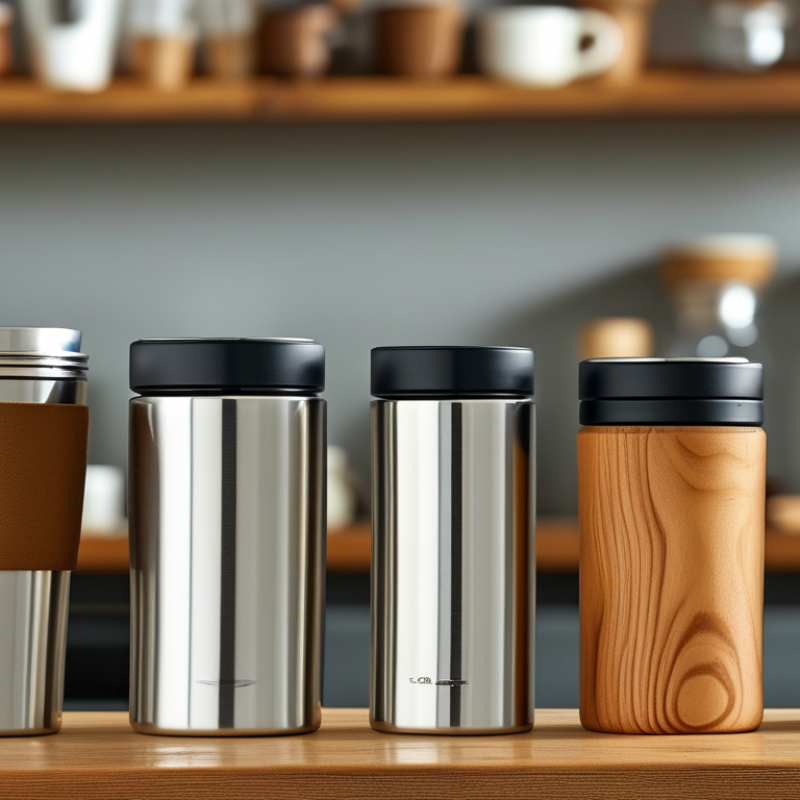
When considering a reusable coffee cup, the material plays a crucial role in your experience. Glass offers a pure taste. It is easy to clean and does not retain odors. However, it is fragile and can break easily. For those who prioritize durability, stainless steel is an excellent option. It keeps beverages hot for longer periods and is resistant to dents. Yet, some might find its weight to be a downside for carrying daily.
BPA-free plastic is a lightweight alternative that appeals to many. It offers a variety of designs and colors. It's also often more affordable than glass or stainless steel. However, some may worry about the longevity and potential scratches that can harbor bacteria over time. Finding the right balance between weight and durability is essential when choosing the material.
Consider experimenting with different materials to find your preference. Think about how you plan to use your cup. Will you be hiking, commuting, or lounging at home? Each scenario can impact the material you choose. Sometimes, it might be wise to invest in two cups, one for daily use and another for special occasions. Reflect on your lifestyle and habits. This can guide you in making the best choice for your reusable coffee cup.
Assessing Insulation Properties: Keeping Your Coffee Hot or Cold
When selecting a reusable coffee cup, insulation properties play a crucial role in maintaining the temperature of your beverage. According to a report from the Journal of Food Science, cups with double-wall vacuum insulation significantly outperform single-wall models in heat retention. This means your coffee can stay hot for hours, while iced drinks can remain cool longer. Choosing a model with stainless steel or high-grade BPA-free plastic not only enhances insulation but also ensures safety.
Consider the material used in your coffee cup. Stainless steel is an excellent option, as it provides superior insulation capabilities. A study by the American Institute of Physics shows that stainless steel cups can maintain coffee temperatures above 140°F for over six hours. While glass may look appealing, it often fails to retain heat as effectively, leading to lukewarm drinks.
Look for additional features to enhance your experience. A rubber grip can help prevent burns. If portability is a priority, lighter materials might be preferable even if they sacrifice thermal retention slightly. Ensure your choice aligns with how you plan to use it. This tailored approach allows for both practicality and enjoyment, addressing individual preferences in the coffee-drinking experience.
How to Choose the Best Reusable Coffee Cup for Your Needs? - Assessing Insulation Properties: Keeping Your Coffee Hot or Cold
| Cup Material | Insulation Type | Heat Retention (Hours) | Cooling Retention (Hours) | Weight (grams) | Dishwasher Safe |
| Stainless Steel | Vacuum Insulated | 6 | 4 | 300 | Yes |
| Bamboo | Single Wall | 1 | 1 | 200 | Yes |
| Glass | No Insulation | 0.5 | 0.5 | 250 | Yes |
| Plastic | Double Wall | 2 | 2 | 170 | Yes |
| Ceramic | Single Wall | 1.5 | 1.5 | 350 | No |
Checking Size and Capacity: Finding the Right Fit for Your Lifestyle
When choosing a reusable coffee cup, size and capacity play crucial roles. A cup that is too large may be cumbersome to carry. On the other hand, a small cup might not hold enough coffee for your daily needs. If you commute, consider something that fits well in your bag or car cup holder. Measure the space carefully.
Capacity is essential based on your coffee habits. Do you enjoy a standard 8-ounce cup or prefer a larger serving? Some people find that a 12 or 16-ounce cup suits their routine better. It offers enough caffeine for busy mornings. How do you take your coffee? If you add milk or cream, extra capacity might be necessary.
Try different sizes before deciding. You might think a small cup is perfect, only to find it doesn’t satisfy your caffeine cravings. Inexperienced users often overlook this crucial factor. Ultimately, the right size enhances your daily routine while minimizing waste. Take your time to reflect on your coffee-drinking habits for the best choice.
Exploring Design Features: Lids, Handles, and Eco-Friendly Choices
When selecting a reusable coffee cup, design features play a crucial role. The lid design is particularly important. A good lid can prevent spills while allowing easy sipping. Choose lids with a secure fit and ventilation options. Statistics show that 76% of consumers prefer cups with spill-resistant lids. These practical features enhance user experience significantly.
Handles are another essential aspect to consider. Cups with comfortable handles can reduce the risk of burns and spills. A study found that ergonomic designs can increase user satisfaction by up to 30%. Though many options are available, finding the right balance between functionality and aesthetics is essential. The overemphasis on sleek design often sacrifices practical use.
Eco-friendly choices should also guide your decision. Many reusable cups are made from sustainable materials, reducing their environmental impact. Data indicates that 59% of consumers are more inclined to buy products that contribute to sustainability. However, not all eco-friendly materials perform equally. It’s vital to research and consider durability and insulation properties before making a choice. This conscious approach to design can promote better habits and contribute to global efforts in reducing waste.