2026 How to Choose the Best Commercial Tarps for Your Needs?
When it comes to selecting the right Commercial Tarps, expertise is crucial. John Miller, a leading expert in the tarp industry, emphasizes, “The right tarp can make or break your project.” With numerous options available, finding the perfect commercial tarps tailored to specific needs can be overwhelming.
Understanding the distinct features of various tarps is essential. Factors such as material, size, and durability play significant roles in performance. For instance, heavy-duty tarps are vital for construction sites, while lightweight options may suffice for simple outdoor use. Each choice comes with its own set of strengths and potential drawbacks.
Making a decision requires careful consideration of both current and future needs. It’s easy to overlook details like UV resistance or waterproofing, which are critical for longevity. Reflecting on past experiences can help. Are there specific conditions you’ve encountered that require a more robust solution? This reflection aids in making a well-informed choice in the vast landscape of commercial tarps.
Types of Commercial Tarps and Their Applications
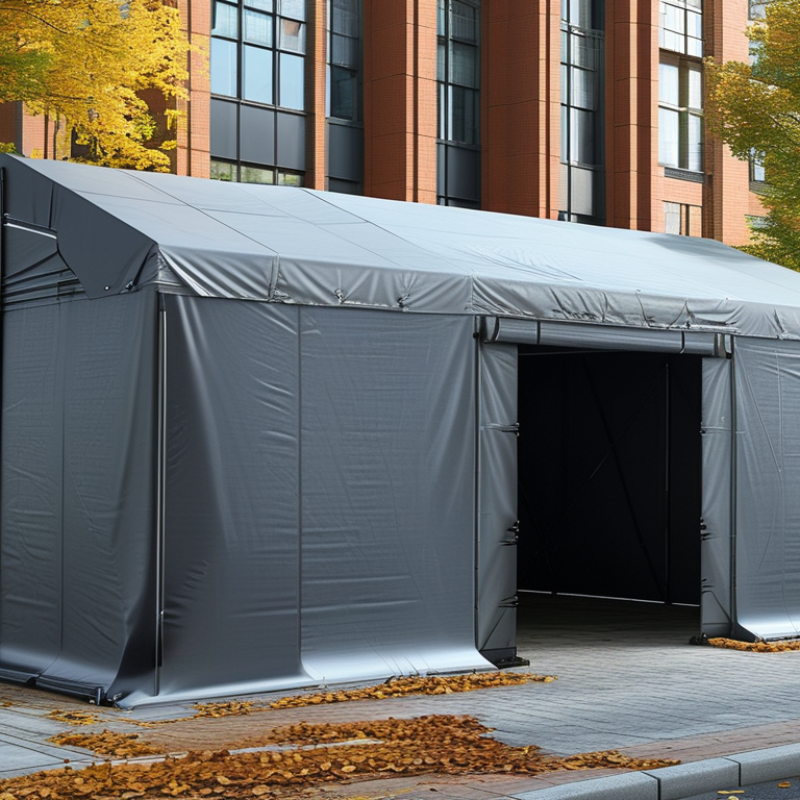
When selecting commercial tarps, understanding their types and applications is crucial. Heavy-duty tarps are commonly used in construction sites. These tarps can withstand harsh weather conditions and protect materials from rain and wind. They are often made of reinforced polyethylene, providing durability and resistance.
Another type is mesh tarps, ideal for ventilation and debris control. They allow air to flow while securing loads, making them perfect for outdoor events or landscaping projects. However, they may not offer complete protection against rain. Applying the right type of tarp can significantly impact your project’s efficiency.
Tarps also vary in size and color, which can affect their utility. Bright-colored tarps enhance visibility on job sites, reducing accidents. Yet, a darker tarp may better absorb heat for agricultural applications. It is essential to assess your specific needs and consider these factors carefully. Selecting the best tarp requires thoughtfulness and understanding of their intended use.
Key Factors to Consider When Choosing Commercial Tarps
When choosing commercial tarps, it's crucial to consider several key factors. First, the material matters greatly. Heavy-duty options made of polyethylene or vinyl are often best for robust applications. These materials offer water resistance and durability. Lightweight tarps are suitable for short-term use or less demanding tasks.
Next, size selection is essential. Measure the area you plan to cover. A tarp that’s too small won’t provide adequate protection. Conversely, an oversized tarp can lead to complications, like catching wind or being cumbersome to handle. For specific conditions, like outdoor events, UV resistance should be on your checklist.
Lastly, think about your project’s environment. Will it be exposed to sharp objects, chemicals, or extreme weather conditions? Tarps facing these elements need extra reinforcement and specialized features. Don't overlook the importance of weight and portability as well. Consider how often you need to transport the tarp. Each factor plays a role in ensuring you choose the right tarp for your needs.
2026 Commercial Tarps: Key Factors Comparison
Material Options for Durability and Weather Resistance
When choosing commercial tarps, material options play a crucial role in durability and weather resistance. High-density polyethylene (HDPE) is a popular choice. It offers excellent UV protection and is resistant to tearing. Businesses often rely on HDPE tarps for outdoor storage needs. However, over time, exposure to harsh elements can cause wear and tear, highlighting the necessity for regular inspections.
Another viable material is vinyl. Vinyl tarps are known for their heavy-duty strength. They are waterproof and ideal for covering equipment during heavy rain. Despite their durability, they can become brittle in extreme cold. This limitation makes it essential to consider climate when selecting a tarp. Many users have reported dissatisfaction when their vinyl tarps failed in freezing conditions, which showcases the importance of suitable options for diverse environments.
Polypropylene is also worth mentioning. It is lightweight yet strong, making it easy to handle. Polypropylene tarps provide good resistance to mildew and rot, which is advantageous for longer-term use. Unfortunately, they may lack the robust qualities of heavier materials. Therefore, careful consideration is required to strike a balance between weight and strength while choosing the right tarp for specific needs. Each material has its strengths and weaknesses, urging users to reflect on their unique requirements.
Evaluating Size and Fit for Specific Use Cases
Choosing the right commercial tarp requires careful consideration of size and fit. Different applications demand specific dimensions. For instance, a construction site may require large tarps that cover equipment and materials, while landscaping needs might only call for smaller, more manageable sizes. According to industry data, selecting the appropriate tarp size can enhance effectiveness by as much as 30%.
Understanding the intended use is crucial. Tarps used in agriculture should fit snugly over crop rows to protect against elements, yet allow for adequate ventilation. Conversely, tarps for transport need to be larger to ensure complete coverage and secure tie-downs. Reports suggest that incorrect sizing can lead to a 20% increase in potential damage during adverse weather.
Evaluating the fit should include height, width, and thickness. A tarp that is too small will not provide adequate protection, while one that is excessively large can create challenges during installation and maintenance. Inexplicable gaps can reduce the tarp’s effectiveness by exposing critical areas to environmental damage. Regular evaluations and adjustments based on the changing needs of projects can ensure optimal performance over time.
Cost vs. Quality: Finding the Best Value in Tarps
When selecting commercial tarps, the balance between cost and quality is crucial. Affordable options may seem tempting, but compromising on material can lead to faster wear and tear. High-quality tarps typically offer better UV resistance, tear strength, and longevity. They often withstand harsh weather conditions, making them more reliable in the long run. Investing in reliable tarps can actually save money over time, reducing replacement frequency.
It's essential to assess your specific needs before making a decision. Evaluate what type of tarp is required for your projects. Identify the environmental factors they will face, like rain or sunlight. Cost-effective solutions may lack special features, like waterproofing or reinforced edges. A tarp that doesn't meet these needs could fail when you need it most.
Sourcing from reputable manufacturers can also enhance your purchase’s reliability. Look for detailed product specifications and customer reviews. However, always be cautious of overly positive feedback. Not every highly-rated product will suit your unique situation. Make informed choices that reflect both your budget and quality requirements. Balancing these factors can be challenging but is vital for long-term satisfaction.