






How to Choose the Best Arc Shape Multi Wire Saw for Your Needs?

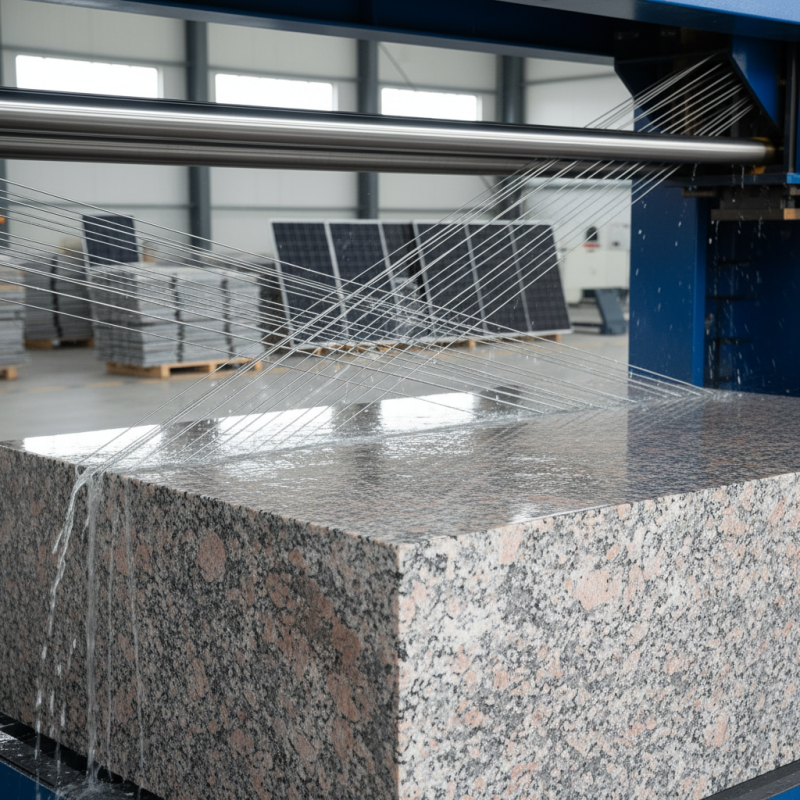
Choosing the right Arc Shape Multi Wire Saw can be a daunting task. Industry reports indicate that the demand for high-precision cutting tools has surged. In 2022, the multi-wire saw market was valued at over $500 million, showing a steady growth rate of 8% annually. This increasing demand reflects the evolving needs of industries such as stone processing, solar panel manufacturing, and semiconductor production.

When selecting an Arc Shape Multi Wire Saw, several factors come into play. Understanding the specific application is crucial. Different designs cater to varying materials and precision requirements. A skewed choice might lead to inefficiencies or unsatisfactory results. It is essential to analyze each product’s specifications and how they align with your needs. Some options may appear attractive but fail to meet operational expectations.

Users often overlook the long-term implications of their choices. A saw's performance can impact productivity and product quality. Therefore, investing time in research is vital. Consider reports from industry experts and firsthand user experiences. They provide invaluable insights into performance, reliability, and cost-effectiveness. Balancing multiple factors will guide you toward the best Arc Shape Multi Wire Saw for your specific requirements.
How to Choose the Best Arc Shape Multi Wire Saw for Your Needs?

Understanding the Basics of Arc Shape Multi Wire Saws

When selecting an arc shape multi wire saw, understanding its basic components is crucial. Multi wire saws are primarily utilized in industries that demand precise cutting, like stone, silicon, and other materials. According to a report by Market Research Future, the global multi wire saw market is expected to grow at a rate of 5% between 2021 and 2026. Such growth highlights the increasing importance of these tools in modern manufacturing processes.

The arc shape of a multi wire saw offers various advantages. It allows for uniform tension across the wires, leading to smoother cuts. Research from the International Journal of Advanced Manufacturing Technology emphasizes that the geometry of the saw can influence cutting efficiency and material quality. However, users often overlook the significance of wire thickness and spacing, which can impact overall performance. A thicker wire usually leads to a longer lifespan but can produce rougher cuts. Conversely, thinner wires provide finer finishes but may wear out quickly.

Choosing the right arc shape is not merely about aesthetics. It involves understanding the material being cut and the desired outcome. A miscalculation in selecting the saw could result in material wastage and increased costs. Engineers suggest trial runs to evaluate different saw shapes before finalizing the most effective option. Each application may require a tailored approach, leading to ongoing experimentation and adjustments.

Identifying Your Specific Cutting Needs and Applications

When selecting the best arc shape multi wire saw, it is crucial to identify your specific cutting needs and applications. Different materials demand different cutting approaches. For instance, if you are slicing through high-strength materials, a saw with a sharper arc may enhance precision. Understanding the thickness and nature of the materials can guide your choice.

Tips: Always consider the radius of the arc. A smaller radius can provide better control for intricate cuts. It’s beneficial to evaluate the cutting environment too; a stable setup will lead to more accurate results.

Another factor is the type of cutting motion required. Do you need to perform straight cuts or intricate curves? This can heavily influence the effectiveness of your chosen saw. Some users may overlook the importance of blade quality, which can affect performance significantly.

Tips: Test different wire sizes before making a decision. A thinner wire may create smoother cuts for delicate features. Keep an eye on wear and tear throughout your projects; this will help gauge if adjustments are necessary.

Choosing the Best Arc Shape Multi Wire Saw Based on Cutting Applications

Comparing Material Compatibility and Performance Factors

When selecting an arc shape multi wire saw, material compatibility is crucial. Different materials demand specific wire configurations for optimal performance. For instance, research indicates that silicon carbide and diamond wires perform exceptionally well in cutting hard materials, yielding efficiency rates above 90%. This efficiency is vital for industries like construction and semiconductors, where precision is paramount.

Moreover, performance factors such as wire tension and cooling methods significantly affect the cutting process. Reports show that maintaining adequate tension can reduce wire breakage by up to 30%. Additionally, effective cooling systems help prevent overheating, allowing for smoother cuts and extended wire life. However, not all setups achieve these benchmarks reliably, leading to inconsistencies in output quality. Operators often find it challenging to balance between machine speed and the material's thermal properties.

The arc shape also plays an essential role in how well the saw can handle various materials. The right curvature enhances the saw's cutting path, ensuring more accurate results. Yet, selecting the wrong curvature can impair the saw's ability, causing wasted materials and inefficient blade life. Understanding these factors offers a clearer path to making an informed decision tailored to specific operational needs.

How to Choose the Best Arc Shape Multi Wire Saw for Your Needs?

Arc Shape Material Compatibility Performance Factors Recommended Usage
Standard Arc Silicon Carbide, Glass Good Cutting Precision General Use in Glass and Stone
Sharp Arc Ceramic, Quartz High Cutting Speed Fine Cutting in Hard Materials
Wide Arc Marble, Granite High Durability Heavy Duty Applications
Smooth Arc Composite Materials Enhanced Surface Finish Finishing Touches

Evaluating Quality and Durability in Multi Wire Saws

When selecting a multi wire saw, quality and durability are crucial. Industry reports indicate that the average lifespan of a multi wire saw can range from 500 to 1,200 hours of use. Choosing a product with high-quality materials can significantly affect its performance and longevity. Inspect the wire composition—lesser quality wires may lead to frequent breaks and reduced efficiency, costing you time and resources.

Tip: Consider asking for user testimonials. First-hand experiences can provide insights into a saw’s durability.

Another key factor is the saw’s arc shape. Research shows that certain arc configurations can enhance cutting efficiency and precision. Standardizing the thickness of the wires also impacts the saw's ability to cut through various materials effectively. If you find that a selected model often struggles with specific cuts, it may indicate inferior construction.

Tip: Don’t overlook the importance of customer service. Reliable support can be essential when dealing with maintenance or unexpected issues.

Reflect on the overall construction of the multi wire saw before making a final decision. Evaluate how often you’ll use it and the materials you’ll cut. This assessment can save costs and improve productivity in the long run.

Budget Considerations: Choosing Cost-Effective Options

When selecting an arc shape multi wire saw, budget considerations play a crucial role. According to a recent industry report, the price range for these saws can vary significantly, starting from around $5,000 and exceeding $50,000 for high-end models. This wide disparity highlights the importance of understanding the specific needs of your operations.

Cost-effective options exist that do not sacrifice quality. Many mid-range models offer robust performance at a fraction of the cost. For example, a saw priced at around $15,000 may provide similar cutting efficiency as a higher-priced option. However, it's essential to compare features and reliability. Lower-priced models might have shorter lifespans or require more frequent maintenance.

Investing wisely includes assessing the total cost of ownership. It’s not solely about the initial purchase price. Maintenance, energy consumption, and operational downtime should be factored in. Some users report that cheaper options led to increased repair costs over time. This can erode savings and negatively impact productivity. Prioritizing long-term value is crucial for any business decision.

Open chat
Scan the code
Bendet Sales Assistant
Hi There👋,
Thank you for visiting our website, How can I help you?