




Choosing the right PC Hammer Crusher can significantly impact your operations. According to a report by Market Research Future, the global market for PC Hammer Crushers is expected to grow at a CAGR of 5.2% from 2021 to 2027. This growth emphasizes the demand for efficient and reliable crushing solutions in various industries.
Paul Johnson, a leading expert in crushing technologies, states, "Selecting the right hammer crusher is critical for maximizing efficiency." This insight highlights the importance of understanding your specific needs before making a decision. Factors such as material type, size, and desired output play a crucial role in this selection process.
Many users overlook key features when evaluating their options. For instance, the crushing capacity and energy consumption are often undervalued. Users must reflect on their operational requirements to avoid costly mistakes. The right PC Hammer Crusher not only enhances productivity but also optimizes costs. Balancing performance and budget can be challenging, yet crucial for long-term success. Thus, careful consideration becomes essential for making an informed choice.
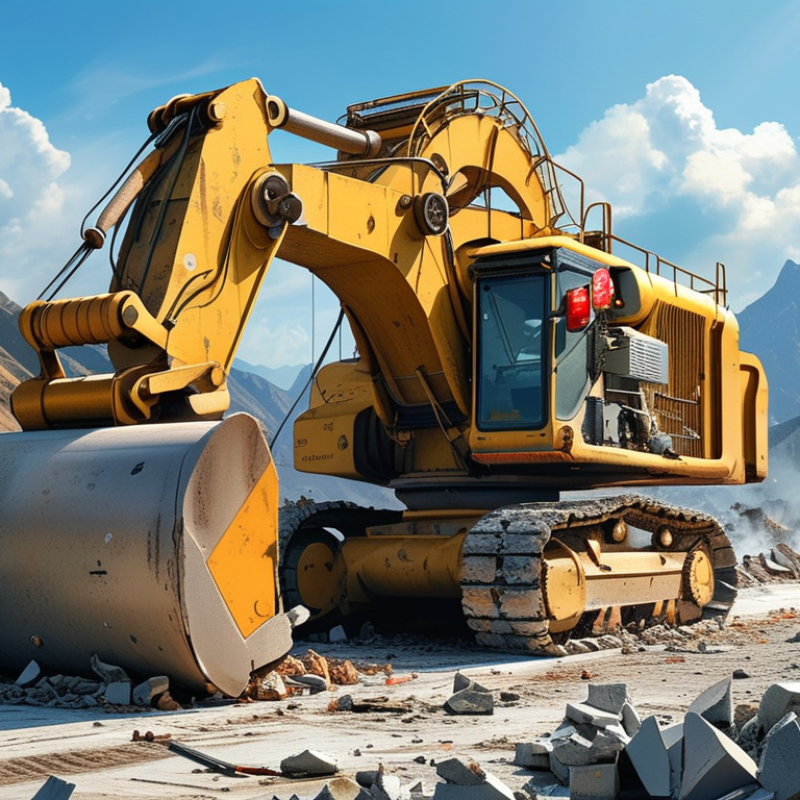
PC hammer crushers are essential in various industries for breaking down materials. These machines are versatile and effective for crushing different types of substances. Understanding how they operate helps in making informed decisions.
Their design often includes a rotor equipped with hammers. When materials enter, the hammers strike them repeatedly, breaking them apart. This method is efficient, but you must consider the materials you'll process. Harder substances may require additional strength or specific features. Pay attention to the crushing capacity, as it influences productivity.
Installation and maintenance are crucial for optimal performance. Regular checks and timely repairs can prevent severe disruptions. Choosing the right model isn't just about specs; it’s about matching the machine to your specific needs. Reflection on your workspace and requirements can lead to better choices for your operations.
| Feature | Description | Importance | Considerations |
|---|---|---|---|
| Capacity | The amount of material processed per hour. | High | Match capacity with production needs. |
| Motor Power | The power of the motor driving the crusher. | High | Ensure it aligns with processing demands. |
| Materials Handled | Types of materials suitable for crushing. | Medium | Different materials may require different designs. |
| Hammer Design | Shape and configuration of the hammers. | High | Affects efficiency and size reduction. |
| Maintenance Ease | How easy it is to perform routine maintenance. | Medium | Frequent use may require easier access. |
| Cost | Initial purchase price and ongoing operating costs. | High | Balance between features and budget. |
When choosing the right PC Hammer Crusher, several key factors come into play. Understanding the material you will process is crucial. Hardness, moisture content, and size affect the type of crusher you need. For instance, softer materials may require a less robust machine. You must match the crusher’s capabilities to your material’s characteristics.
Energy efficiency is another essential consideration. Hammer crushers can consume a lot of energy. Evaluating models that offer better power efficiency can lead to cost savings. Moreover, consider the ease of maintenance. A reliable machine might require regular checks and replacements. If parts are hard to access, it could become an operational headache.
Lastly, think about the production capacity you require. If you have fluctuating demands, a flexible solution is ideal. Some machines may handle high volumes, but others may struggle. Assessing your long-term needs will help you make a balanced choice, rather than a rushed decision. Reflecting on these aspects will improve your selection process significantly.
When selecting a PC hammer crusher, understanding model specifications is crucial. Different models cater to varying needs. Some focus on high output. Others emphasize energy efficiency. Choose a model that aligns with your production goals.
Check the crushing capacity to match your requirements. It ranges widely among models. Higher capacity units may not always be necessary. A smaller model may suffice for your material types. Weight and dimensions also affect placement and mobility. Ensure the model fits your operational space.
**Tips:** Review user reviews for insights on performance. This can highlight potential issues. Comparing specifications side by side aids in better choices. Don't overlook service and support offered by manufacturers. Their expertise can be invaluable when challenges arise.
When selecting a PC hammer crusher, it's essential to consider the applications and materials it will process. Hammer crushers excel in crushing hard and brittle materials like limestone, coal, and gypsum. They are also suitable for industries like mining and construction. Properly identifying the material's characteristics is crucial for achieving optimal performance.
Tips: Assess material hardness and moisture levels before choosing a hammer crusher. This ensures efficiency and helps avoid potential equipment damage. Additionally, different materials may require different hammer configurations for effective crushing.
Besides material suitability, think about the production requirements. How much output do you need? A hammer crusher's capacity can vary. An oversized model may lead to inefficiency, while an undersized one might not meet your needs. Balancing power and dimensions can be challenging but is necessary.
Ultimately, understanding your specific application will guide you in selecting the right hammer crusher. Consider testing various materials to determine the best fit for your operations. This practical approach helps refine your choice and ensures reliability in the long run.
Maintaining a hammer crusher is crucial for optimal performance. Regular inspection keeps it running efficiently. Studies show that proper maintenance can improve operational uptime by 15%. This is significant for industries relying on these machines. One key practice is checking the wear of the hammers. Worn hammers reduce effectiveness, leading to increased energy consumption.
Another vital aspect is lubrication. Insufficient lubrication can result in friction, leading to overheating. Monitoring oil levels weekly can help prevent failures. Routine lubrication inspections can enhance life expectancy by up to 20%. Operators should also clean the machine regularly to avoid material build-up. This practice aids in better airflow, improving overall efficiency.
Consider implementing a routine maintenance schedule. Many companies establish structured plans to track wear and tear. This pros give a clearer overview of machine condition. In some cases, neglect can lead to significant downtime. Data reveals that companies with proactive maintenance strategies experience 30% less unplanned maintenance compared to those without.
Hein Minnie
Cell nr: +27 (0) 82 564 6501
Email: sale@thecirclemachine.com
Hein Minnie Jnr
Cell nr: +27 (0) 84 284 7234
Email: sale@thecirclemachine.com
Address:
10 Apsey Street,
Heidelberg,
Gauteng,
1441
Bendet Engineering Services (PTY) LTD was established in 1987. Our team of engineers and draughtsman are ready to deliver a complete turnkey solution, from the design phase to commissioning. A dedicated team that consists of electrical, mechanical and industrial engineers, we are able to offer a comprehensive service to our clients.