

When considering home appliances, many homeowners overlook the importance of hot water. A Tankless Water Heater changes this perspective. Unlike traditional heaters, it heats water on demand. This feature means you never have to wait for a tank to fill up. With a tankless system, you enjoy a constant flow of hot water.
Energy efficiency is a significant advantage. Tankless Water Heaters only consume power when in use. This can lead to substantial savings on utility bills. Yet, some may wonder if the initial investment is worth it. The upfront cost can be higher than traditional units. However, long-term savings often justify this expense.
Homeowners need to consider their hot water needs. Sometimes, a tankless option may not be sufficient for larger families. It's essential to weigh the pros and cons. A Tankless Water Heater could be a game-changer, but it’s vital to do thorough research. Ultimately, your choice should enhance your home's efficiency and comfort.
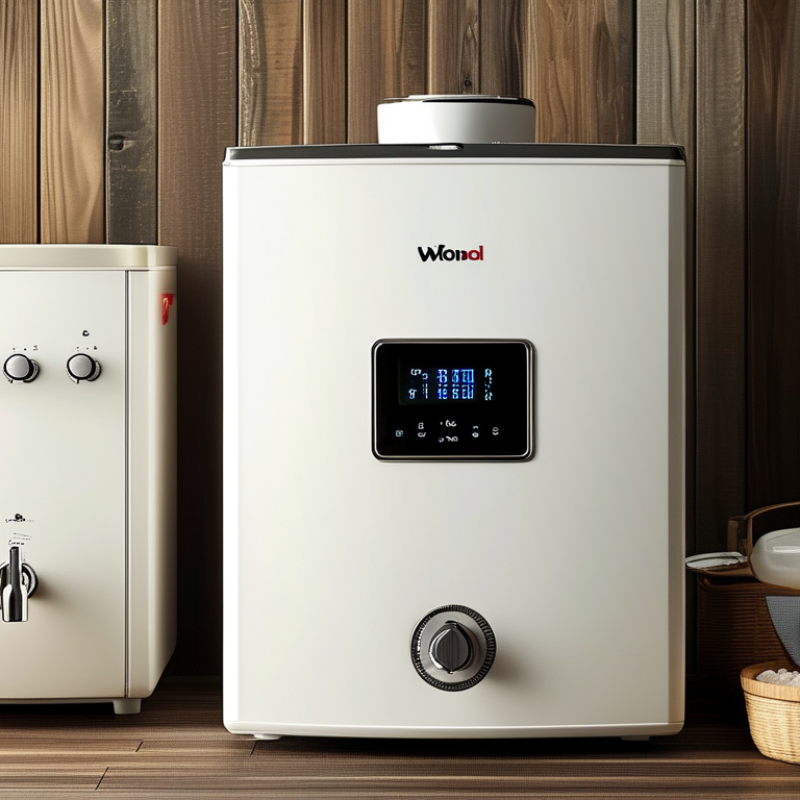
When considering a tankless water heater, homeowners should note several key benefits. These systems heat water on demand, eliminating the need for a bulky storage tank. This design saves space, making it ideal for smaller homes or apartments. With a tankless heater, there's no waiting for a tank to fill or heat up. Instead, hot water flows continuously. This is perfect for larger families or homes with multiple bathrooms.
Energy efficiency is another significant advantage. Tankless water heaters typically use less energy than traditional models. Because they only heat water when needed, homeowners can see lower energy bills over time. Additionally, many units have a longer lifespan, reducing replacement costs in the long run. However, upfront installation costs may be higher, which is a consideration for budget-sensitive homeowners.
Sustainable energy use is crucial in today’s world. Switching to a tankless model can reduce your carbon footprint. It's important to find reliable installation services, as poor installation can lead to inefficiencies. Not every home is suitable for tankless systems. It's essential to evaluate your specific needs carefully before making the switch. Understanding these aspects can help ensure a decision that aligns with both immediate and long-term goals.
Tankless water heaters offer a unique advantage in energy efficiency. They heat water on demand, eliminating the need for a bulky storage tank. This method ensures that you only use energy when you need hot water. The heating process begins as soon as a tap is turned on. Cold water travels through a pipe and into the unit. An electric element or gas burner heats the water instantly, providing a continuous flow.
Operating efficiently can lead to significant savings. Traditional water heaters constantly heat water, leading to wasted energy and higher bills. In contrast, tankless systems only activate when necessary. This efficiency makes them particularly appealing for households with varying hot water needs. However, installation may require careful planning. Proper sizing is crucial for optimal performance. An undersized unit may struggle to keep up with demand, while an oversized one could be inefficient.
Despite their benefits, tankless water heaters have limitations. High upfront costs and installation challenges can be barriers. Some users may find it takes longer to reach their desired water temperature. It’s essential to weigh these factors carefully. This system may not suit every household, but when installed correctly, it can enhance both comfort and energy efficiency.
| Feature | Description | Benefits |
|---|---|---|
| Energy Efficiency | Tankless water heaters heat water on demand, which reduces energy consumption. | Lower energy bills and reduced carbon footprint. |
| Space Saving | Compact design allows for installation in smaller spaces. | Increased usable space in your home. |
| Longer Lifespan | Typically lasts longer than traditional tank heaters. | Reduced replacement costs over time. |
| Continuous Hot Water | Provides an uninterrupted supply of hot water. | Convenient for larger households or during peak usage times. |
| Lower Risk of Water Damage | No tank means less risk of leaks or flooding. | Peace of mind and lower home insurance costs. |
When considering energy consumption, tankless water heaters offer significant advantages over traditional models. Traditional water heaters continuously heat water, leading to high energy bills. In contrast, tankless models heat water on demand. This means you only use energy when you need it, which can reduce consumption by up to 30 percent. This efficiency is especially beneficial for households that use less hot water daily.
Tips: When evaluating a tankless system, look for unit size and flow rates. This will ensure it meets your household's needs. Keep in mind that installation can be more complex. Hiring a professional is often necessary, so prepare budget accordingly.
Moreover, while tankless heaters are generally reliable, they may struggle during high usage. For larger families, simultaneous use of hot water can lead to insufficient supply. It’s important to assess your household’s water usage habits carefully. This reflection ensures your choice meets every need, preventing future inconveniences.
Tankless water heaters have gained popularity for their space-saving features. Unlike traditional models, these units do not require large storage tanks. This characteristic allows homeowners to reclaim valuable square footage in utility areas. A tankless system can be installed in smaller closets or even mounted on walls. This flexibility is especially appealing in urban settings where space is limited.
Moreover, a tankless water heater can improve the overall aesthetics of your home. With no bulky tank overshadowing the room, the installation looks cleaner and more modern. It can blend seamlessly into various environments. However, choosing a tankless model means considering its location carefully. Electrical and plumbing access must be taken into account. This may require additional work, which can offset some space benefits.
Installation also poses potential challenges. It's important to note that while tankless heaters can provide endless hot water, they may not be sufficient for multiple simultaneous uses in larger households. This complexity must be evaluated beforehand. Engaging a qualified professional for proper assessment ensures an efficient setup. Understanding these trade-offs can help make a more informed decision.
Choosing a tankless water heater can significantly impact your home’s energy efficiency. Factors like size, flow rate, and energy source are crucial. A smaller unit may suffice for a single bathroom, while larger households need higher flow rates. Consider the number of simultaneous hot water demands. These factors will determine the right model for you.
Energy efficiency is another aspect to evaluate. Tankless heaters typically use less energy than traditional models. Look for units with high energy factor ratings. Yet, installation can be complex. Sometimes, unexpected costs arise, like upgrades to existing plumbing. It’s essential to consult with a qualified installer to understand these needs.
Lastly, think about maintenance. Tankless water heaters typically require descaling every year or two to prevent mineral buildup. Some homeowners overlook this, leading to decreased efficiency. Research and ask for professional advice on maintenance routines. Balancing upfront costs with long-term savings is key. It’s a decision that needs careful thought and consideration.
Hein Minnie
Cell nr: +27 (0) 82 564 6501
Email: sale@thecirclemachine.com
Hein Minnie Jnr
Cell nr: +27 (0) 84 284 7234
Email: sale@thecirclemachine.com
Address:
10 Apsey Street,
Heidelberg,
Gauteng,
1441
Bendet Engineering Services (PTY) LTD was established in 1987. Our team of engineers and draughtsman are ready to deliver a complete turnkey solution, from the design phase to commissioning. A dedicated team that consists of electrical, mechanical and industrial engineers, we are able to offer a comprehensive service to our clients.