How to Choose 304 Stainless Steel Flanges for Your Projects?
Choosing the right materials for your projects can significantly impact overall performance. Among various options, 304 Stainless Steel Flanges stand out for their versatility and durability. According to a report from the International Stainless Steel Forum, the demand for stainless steel flanges has increased by 15% annually in recent years, emphasizing their importance in industries such as construction and manufacturing.
Expert Thomas R. Edwards, a leading authority in materials engineering, states, "304 Stainless Steel Flanges provide a reliable solution for high-pressure environments." This underscores the significance of selecting the right flanges for your specific needs. Choosing improperly can lead to failure or inefficiency in operations. It’s essential to consider factors such as pressure ratings, temperature tolerance, and compatibility with various media.
Furthermore, lack of understanding in material properties can hinder project success. Relying solely on price may result in overlooking critical features of 304 Stainless Steel Flanges. Despite their popularity, not all flanges meet the necessary specifications for every application. Thus, taking time to analyze your project's requirements and expert insights is vital for achieving reliable outcomes.
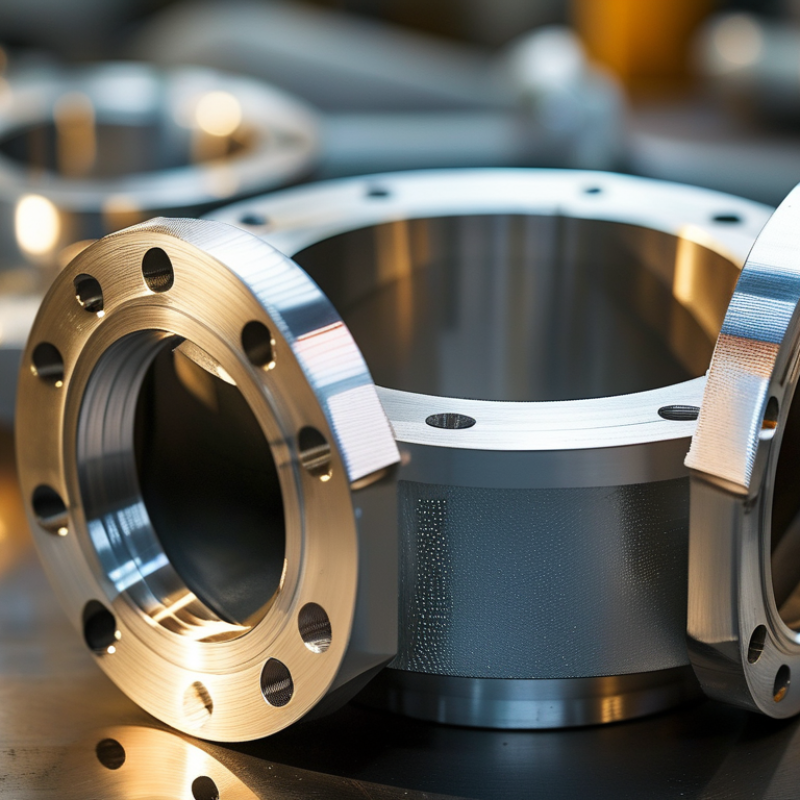
Understanding the Basics of 304 Stainless Steel Flanges
304 stainless steel flanges are essential in various applications. Understanding their properties helps you make informed decisions for your projects. This type of stainless steel contains chromium and nickel. This combination provides excellent corrosion resistance. It's ideal for environments exposed to moisture.
When choosing flanges, consider their dimensions and pressure ratings. The size must match your piping system. A mismatch can lead to leaks or failures. Flanges are available in several classes to handle different pressure levels. Be careful with your selection; oversight can cause critical issues during operation.
Another aspect to reflect on is the finish of the flanges. A smooth finish enhances corrosion resistance. However, rough edges can create stress points, leading to premature wear. It's vital to inspect flanges visually and physically. Small discrepancies can lead to larger problems down the road. Balance your needs with the characteristics of the 304 stainless steel to ensure reliability in your projects.
Key Properties and Advantages of 304 Stainless Steel
When selecting 304 stainless steel flanges, it’s essential to understand their key properties. 304 stainless steel is known for its excellent corrosion resistance. This makes it ideal for various industries, from food processing to chemical manufacturing. The material can withstand harsh environments without significant degradation. This property ensures the longevity of components in various applications.
Moreover, 304 stainless steel offers good formability and weldability. This allows for easy manipulation during fabrication processes. You can create intricate designs tailored to specific project needs. However, it is crucial to consider that while 304 has many advantages, it is not suitable for acidic environments. The performance can decline if exposed to persistent acidic conditions.
Another notable advantage is its aesthetic appeal. 304 stainless steel has a bright, polished finish. This not only enhances visual appeal but also helps in minimizing surface contaminants. However, users should be aware that regular maintenance is necessary to preserve this shine. All these properties make 304 stainless steel flanges a popular choice, despite some limitations that require careful consideration.
Types of 304 Stainless Steel Flanges and Their Applications
When selecting 304 stainless steel flanges, understanding their types and applications is crucial. These flanges are commonly available in various forms, including slip-on, weld neck, and blind flanges. Each type offers unique advantages depending on the specific project requirements.
For instance, slip-on flanges are easier to install and provide good sealing capabilities. They are often used in lower-pressure systems.
Weld neck flanges, on the other hand, are designed for high-stress applications. They allow for better alignment and increased strength at the weld joint. These are often used in piping systems that handle high pressures.
Blind flanges, which do not have a hole in the center, are essential for closing off pipelines. They can withstand high pressures, making them reliable in critical systems.
The choice of flange depends on factors like pressure, temperature, and the type of fluid being transported. However, not all projects need high-performance flanges.
In some cases, using a less robust option may suffice. Understanding the specific demands of your application is important. It helps in making the right choice to avoid future issues or failures.
Factors to Consider When Selecting 304 Stainless Steel Flanges
When selecting 304 stainless steel flanges, consider the application. The environment matters. For example, exposure to moisture can cause corrosion. 304 stainless steel is generally resistant, but not invincible. Evaluate the specific conditions where the flanges will be used.
Next, think about the dimensions. The size of the pipes or fittings connected to the flange is crucial. Incorrect sizing can lead to leaks. Proper alignment ensures a tight seal, reducing potential failures. Also, consider the thickness of the flange. Thicker flanges can offer extra durability but may add weight.
Finally, pay attention to the manufacturing process. Welded vs. forged flanges have different properties. Forged flanges often provide superior strength. However, they may come at a higher cost. Weigh the benefits versus your project's budget. Each detail impacts the overall reliability of your installation. Reflect on how these choices align with your project goals.
Maintenance and Care Tips for 304 Stainless Steel Flanges
When working with 304 stainless steel flanges, proper maintenance is essential for longevity and performance. Regular cleaning is recommended to remove debris and prevent corrosion. According to industry reports, 304 stainless steel exhibits strong resistance to corrosion, but neglect can lead to pitting and tarnishing. This is particularly important in coastal or industrial environments, where exposure to salt and chemicals is higher.
Tips: Regularly inspect flanges for signs of wear or damage. Use a soft cloth and mild detergent to clean. Avoid abrasive materials that can scratch the surface. Additionally, applying a protective sealant can enhance corrosion resistance, providing an extra layer of defense.
Another vital aspect is ensuring proper storage conditions. Flanges should be stored in a dry, climate-controlled area. Humidity can accelerate corrosion. Reports indicate that maintaining relative humidity below 50% is ideal for stainless steel maintenance. Monitor for rust spots, which could be early signs of deterioration, especially if the flanges are occasionally exposed to moisture.
Tips: Store flanges off the floor on pallets or racks to reduce moisture exposure. Cover flanges to shield them from dust and environmental factors. Regular audits of storage conditions can preemptively address issues before they escalate.