


Choosing the right paintline spray booth is crucial for your projects. It requires careful consideration of various factors. A well-selected booth can enhance your productivity and improve paint quality.
Many aspects must be examined. Size, airflow, and filtration are vital elements. Consider the type of work you do and the materials you use. A booth that fits your specific needs can make a significant difference. Make sure to explore the features that ensure efficient ventilation and safety.
This decision may feel overwhelming. The market offers various options with different specifications. Take your time to research. Listening to industry experts can provide valuable insights. Reflect on your past experiences and requirements. A better understanding of what you need will lead you to the best paintline spray booth for your demands.
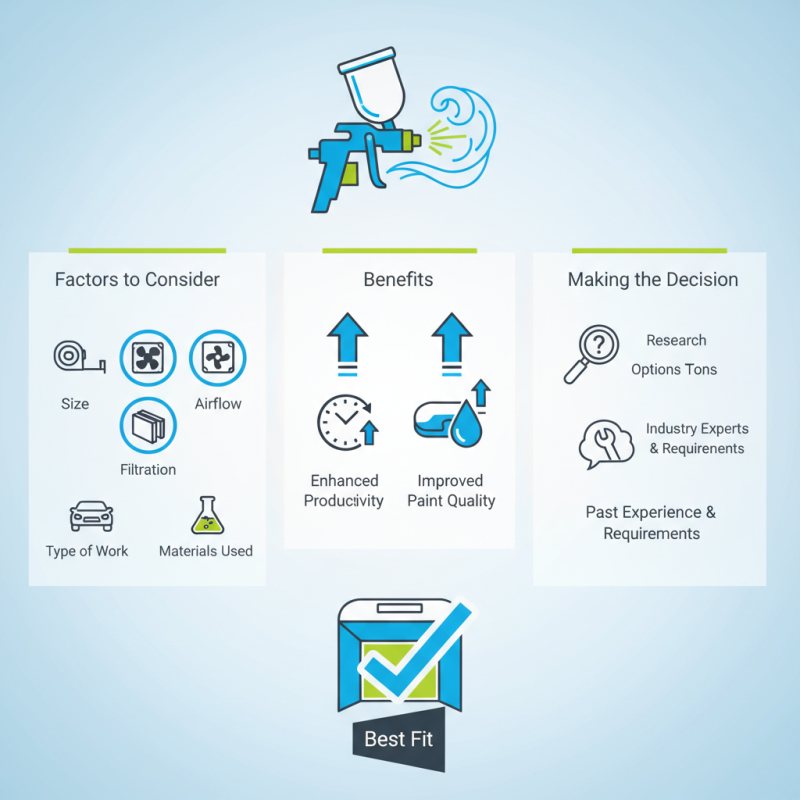
Choosing the right paintline spray booth involves careful consideration of several critical factors. Start with the size of the booth. It should accommodate your largest projects. A cramped space can lead to mistakes and inefficiencies. Next, think about airflow and filtration systems. Quality airflow is essential for proper paint application. Ineffective filtration can result in defects in your work.
Evaluate the location of the booth as well. A well-ventilated area is ideal. However, you may face space constraints. It might be necessary to compromise on location versus size. Additionally, consider the energy efficiency of the booth. A more energy-efficient model could save costs over time.
Don’t overlook safety features. Proper safety equipment is vital for a secure working environment. You should also assess the ease of setup and maintenance. A complex setup can lead to frustration. Rethink your priorities based on your specific needs. Asking for guidance from experienced users can provide valuable insight.
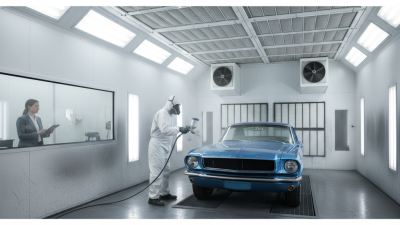
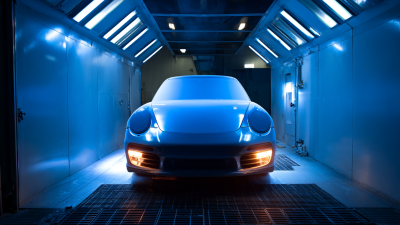
When selecting a spray booth, understanding the different types available is crucial. There are generally three main types: downdraft, crossdraft, and side draft. Downdraft booths filter air from above and direct it downward. This approach minimizes overspray and enhances paint flow. Crossdraft booths pull air from one side to the other, creating a more traditional setup. They are often easier to install but may trap overspray more easily.
Each type serves specific applications. Downdraft booths are favored for high-precision jobs like automotive refinishing. They create a cleaner environment, which improves the finish quality. Crossdraft booths suit less critical tasks but require more frequent cleaning. Side draft booths, though less common, are efficient for smaller projects where space is limited.
Think about your specific needs. If you often work with intricate designs, a downdraft booth might be the best choice. However, if budget and space are constraints, a crossdraft booth could suffice. Remember that themost expensive option isn’t always the best one. Evaluate your workflow and production needs carefully. Balancing quality with practicality will lead to a more satisfactory investment in the long run.
| Spray Booth Type | Key Features | Advantages | Applications |
|---|---|---|---|
| Open Face Spray Booth | Usually has an open front and back, allowing easy access. | Cost-effective, easy to set up, and suitable for large items. | Automotive painting, furniture finishing. |
| Downdraft Spray Booth | Features a downward airflow system for better air control. | Excellent for controlling overspray and improving finish quality. | Automotive refinishing, large-scale manufacturing operations. |
| Crossdraft Spray Booth | Air moves across the booth from one side to the other. | Simpler design, good for smaller projects and quick jobs. | Touch-up painting, smaller repair jobs. |
| Semi-Downdraft Spray Booth | Combination of downdraft and crossdraft features. | Versatile, effective for various painting needs. | Automotive shops, furniture and cabinet refinishing. |
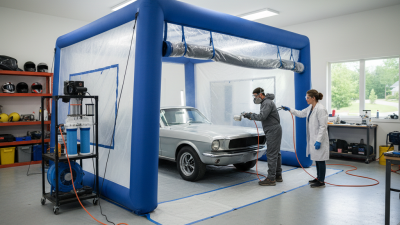
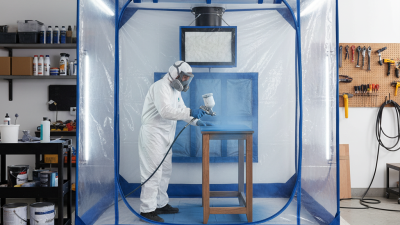
| Mobile Spray Booth | Portable design, can be transported easily. | Great for onsite jobs, flexible usage. | Field jobs, small workshops. |
When choosing a paintline spray booth, size and space are critical. According to industry reports, over 30% of operational inefficiencies stem from inadequate booth dimensions. Evaluating your workspace can prevent costly mistakes. Measure your area carefully; this will dictate the booth type and configuration.
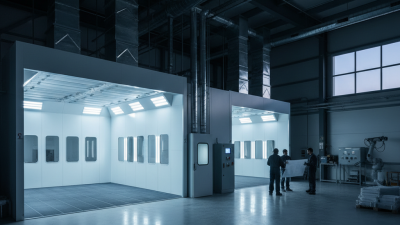
Most professionals recommend a minimum of 12 feet in width and 30 feet in length for robust production capabilities. However, this varies based on specific needs. A booth that is too small limits airflow and affects paint application. On the other hand, too large a booth can lead to wasted energy and space.
Consider your workflow as well. Ensuring the booth fits seamlessly into your production line is vital. Flexibility is essential for changing job requirements. Many shops face challenges due to improper spacing, leading to safety hazards. According to a study, nearly 25% of paint defect issues are linked to poor booth layout. Evaluate your options thoroughly before making a decision. Your operational success may rely on it.
When selecting a paintline spray booth, understanding airflow and filtration systems is crucial. Proper airflow is vital for achieving an even and consistent finish. It determines how particles move within the booth and affects drying times. Insufficient airflow may lead to uneven coatings or longer curing processes. Look for booths that offer adjustable air velocities. This flexibility allows you to tailor the setup for different projects, improving quality.
Filtration systems are equally important for maintaining air quality. Effective filters capture overspray and harmful pollutants. This not only protects the final product but also ensures a safe working environment. Inspect the type and quality of filters used. Some systems may require frequent replacements, leading to increased costs over time. Additionally, consider how easy it is for your staff to maintain these systems. Complex setups might lead to neglect and reduced efficiency.
It's also wise to evaluate the overall design of the spray booth. Consider if it supports optimal airflow while minimizing dust entry. Sometimes, cost-effective solutions are not the most efficient. Investing in a booth that balances quality and budget is essential. Take time to analyze your specific needs. This thoughtful approach can prevent future headaches and improve your finishing results.
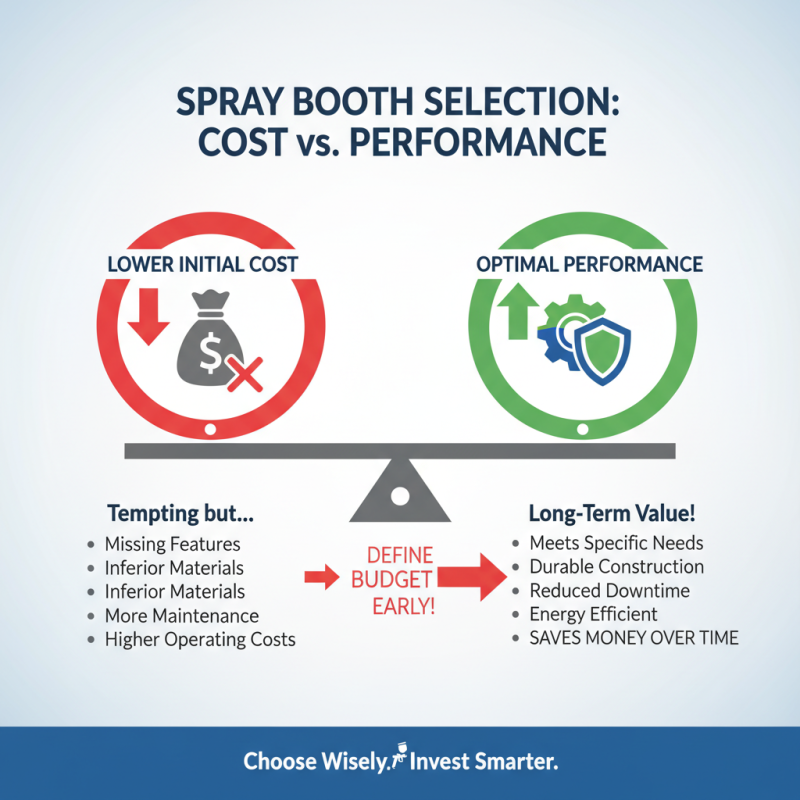
Choosing the right paintline spray booth involves balancing cost and performance. It’s essential to define your budget early on. A lower price may seem attractive, but it can lead to higher operating costs later. Missing features or inferior materials often mean more maintenance. A booth that meets your needs can ultimately save money over time.
Performance is not just about initial investment. Consider the efficiency of the booth. High-quality filtration systems can reduce paint waste. They ensure a cleaner workspace and provide better air quality. This can contribute to long-term savings. It might be tempting to skimp on quality for a lower price, but that can backfire.
Don't forget to assess energy consumption too. A booth that uses more energy can add to your expenses. Look for options that optimize power use. Not all booths are created equal; some may seem like great deals but cost more in the long run. Layering costs and evaluating them critically is crucial in making a wise decision.
Hein Minnie
Cell nr: +27 (0) 82 564 6501
Email: sale@thecirclemachine.com
Hein Minnie Jnr
Cell nr: +27 (0) 84 284 7234
Email: sale@thecirclemachine.com
Address:
10 Apsey Street,
Heidelberg,
Gauteng,
1441
Bendet Engineering Services (PTY) LTD was established in 1987. Our team of engineers and draughtsman are ready to deliver a complete turnkey solution, from the design phase to commissioning. A dedicated team that consists of electrical, mechanical and industrial engineers, we are able to offer a comprehensive service to our clients.