







In various industrial applications, efficiency and reliability are paramount. The Backward Centrifugal Fan stands out as a preferred choice for several reasons. These fans are engineered to deliver high-performance airflow while consuming less energy. Industries ranging from HVAC systems to manufacturing benefit considerably from their impressive design.
The key feature of a Backward Centrifugal Fan is its unique blade configuration. This design allows for optimal airflow with minimal turbulence. As a result, these fans operate quietly and efficiently. Many facilities report lower operational costs when transitioning to this technology. Despite their advantages, selecting the right fan requires careful consideration of specific needs.
While the Backward Centrifugal Fan offers many benefits, it is not without its challenges. Proper installation and maintenance are crucial for maximizing performance. Users must also assess their unique operating conditions. A thoughtful approach ensures that the chosen fan meets the demands of the application.
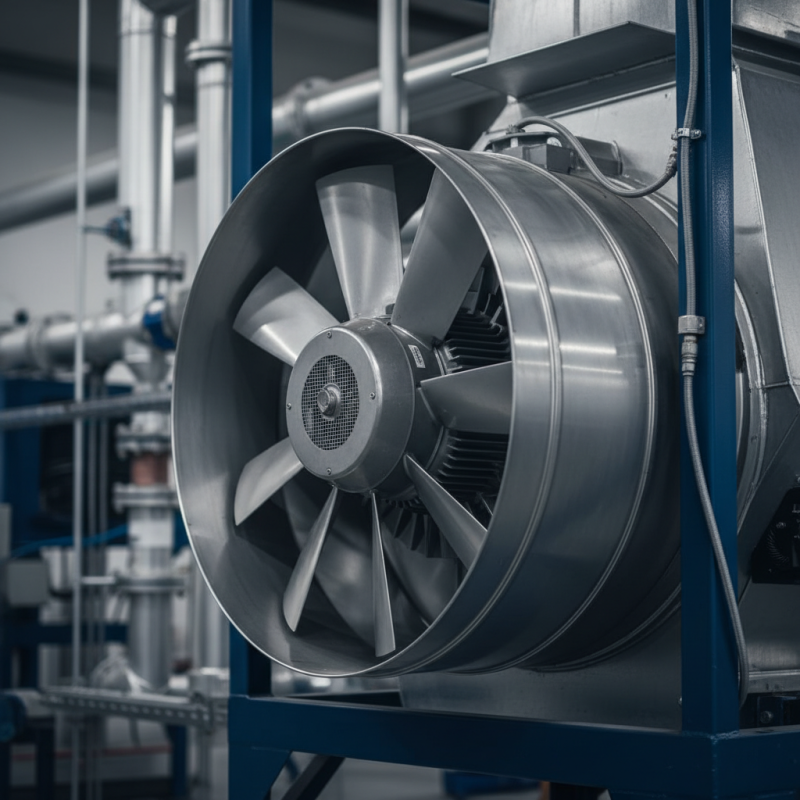
Backward centrifugal fans have gained popularity in various industrial sectors due to their unique advantages. These fans operate efficiently at a broad range of air volumes. According to a recent report by the American Society of Heating, Refrigerating and Air-Conditioning Engineers, backward fans can achieve up to 80% efficiency at optimal conditions. This efficiency translates to significant energy savings over time.
The design of backward centrifugal fans allows for higher pressure capabilities. This makes them ideal for applications requiring the movement of air through long duct systems. Industries such as manufacturing and HVAC systems can benefit greatly from this feature. In critical processes, even a small increase in pressure can enhance overall system performance.
However, it is essential to consider the installation and maintenance aspects of backward centrifugal fans. Misalignment or inadequate support can lead to vibrations that reduce efficiency. Regular inspections and proper alignment are necessary for maintaining optimal performance. Additionally, while these fans are designed for durability, they may require more attention in harsh environments. Manufacturers often recommend a maintenance schedule to ensure longevity and reliability.
Backward centrifugal fans are increasingly favored for industrial applications. Their design allows for greater efficiency and adaptability compared to forward centrifugal fans. Typically, backward fans deliver a higher static pressure, making them ideal for systems that require moving air through ducts or across filters.
When it comes to efficiency, backward centrifugal fans outperform forward fans, especially at variable loads. Their unique blade shape enhances airflow and reduces energy consumption. This can lead to important long-term savings for businesses. However, the installation and maintenance may be more complex, which could pose challenges for some operations.
Tips: Always consider the specific requirements of your application. Assessing airflow needs will help in choosing the right fan type. Consult with industry experts to avoid costly mistakes. Proper installation is vital for optimal fan performance, so ensure all components meet required specs.
Backward centrifugal fans are pivotal in various industries due to their high efficiency and reliability. These fans are particularly prevalent in sectors such as HVAC, industrial manufacturing, and wastewater management. According to a report by TMR, the global HVAC market is projected to reach $200 billion by 2026, highlighting the growing demand for efficient air movement solutions.
In the industrial manufacturing realm, backward centrifugal fans play a crucial role in processes that require precise airflow. They are effective for dust collection and ventilation, as their design ensures consistent air volume with minimal energy loss. The Industrial Ventilation Handbook states that improper ventilation can lead to a 40% increase in energy consumption. Companies increasingly recognize the cost benefits of employing backward centrifugal fans to optimize their systems.
Wastewater treatment facilities also benefit significantly from these fans. They help maintain airflow in aeration tanks, crucial for effective biological treatment processes. Recent studies suggest that fans account for approximately 40% of energy use in these plants. Adopting backward centrifugal fans can lead to notable energy savings while ensuring compliance with environmental regulations. This combination of efficiency and reliability makes them a popular choice across multiple industries.
The design of a backward centrifugal fan plays a crucial role in both energy consumption and operational costs. These fans are known for their high efficiency and ability to maintain consistent air flow. This efficiency translates to lower energy bills. Fewer resources are consumed, which is vital for businesses aiming to reduce their carbon footprint.
However, achieving the perfect balance between performance and cost can be tricky. While backward centrifugal fans are efficient, variations in system design can impact performance. An improperly sized fan can lead to energy waste and increased operational costs. It’s essential to consider factors such as airflow requirements and system resistance. Ignoring these elements may result in inefficiencies that negate potential savings.
Investing in well-designed fans is beneficial, but it requires careful planning. Maintenance also plays a role in keeping operational costs down. Regular monitoring and upkeep ensure the fan operates at its best. This approach may involve extra effort, yet the long-term gains are worth it. Businesses must reflect on their choices and invest wisely to harness the full benefits of backward centrifugal fans.
Backward centrifugal fans have become a popular choice in various industries due to their noise reduction benefits and enhanced performance. These fans utilize a unique design that allows air to move through the fan with less turbulence. According to the American Society of Heating, Refrigerating and Air-Conditioning Engineers, backward fans can reduce operational noise by up to 10 decibels compared to forward-curved fans. This is significant for environments where sound levels must be controlled, such as in hospitals and educational institutions.
In addition to noise reduction, backward centrifugal fans are often more efficient. The Energy Information Administration reports that these fans can achieve higher static efficiency, leading to lower energy consumption. The design allows for better airflow and pressure control, which can improve system performance. However, not all backward centrifugal fans are created equal. Users must select the appropriate size and specifications for their applications. A poorly chosen fan may negate the potential efficiency gains. Understanding the specific needs of your application is vital for maximizing the benefits of these fans.
| Feature | Backward Centrifugal Fan | Traditional Centrifugal Fan |
|---|---|---|
| Noise Level | Lower (typically 5-15 dB less) | Higher (up to 85 dB) |
| Energy Efficiency | Higher efficiency rates (up to 85%) | Lower efficiency rates (60-75%) |
| Airflow Control | More stable airflow | Fluctuates at varying speeds |
| Maintenance Needs | Lower maintenance frequency | Higher maintenance frequency |
| Suitability for Applications | Ideal for noise-sensitive environments | General applications |
Hein Minnie
Cell nr: +27 (0) 82 564 6501
Email: sale@thecirclemachine.com
Hein Minnie Jnr
Cell nr: +27 (0) 84 284 7234
Email: sale@thecirclemachine.com
Address:
10 Apsey Street,
Heidelberg,
Gauteng,
1441
Bendet Engineering Services (PTY) LTD was established in 1987. Our team of engineers and draughtsman are ready to deliver a complete turnkey solution, from the design phase to commissioning. A dedicated team that consists of electrical, mechanical and industrial engineers, we are able to offer a comprehensive service to our clients.