





China Top 10 Transfer Tank And Pump Suppliers?

China’s transfer equipment market has expanded rapidly, but supplier selection requires more than comparing catalog prices. This guide examines China’s Top 10 Transfer Tank And Pump Suppliers through practical, evidence-based criteria. These criteria include tank capacity, pump type, flow stability, material compatibility, sealing quality, and after-sales support.

A reliable supplier should explain how its equipment handles diesel, lubricants, chemicals, water, or other approved fluids. Stainless steel grades, welded seams, hose fittings, pressure ratings, and motor protection deserve close attention. A factory visit, sample inspection, or third-party test can reveal details that photographs hide. Small details matter. A leaking seal can stop an entire filling line.

Pump specialist Dr. Lev Nelik has stated, “The pump is the heart of any process plant.” That principle applies directly to transfer systems, where poor pump selection can cause cavitation, overheating, inaccurate dispensing, or premature wear. The companies discussed here are assessed by manufacturing experience, technical documentation, quality controls, certifications, customization ability, and response speed. However, no ranking is permanently perfect. Product lines change, export support varies, and a strong factory may still provide weak communication. Buyers should verify current certificates, references, warranty terms, and testing records before signing contracts. This article offers a practical starting point, not a substitute for engineering review. The best choice depends on fluid properties, operating temperature, required flow, installation space, and local compliance requirements. Cost matters, but reliability usually costs less than repeated downtime.
China Top 10 Transfer Tank And Pump Suppliers?

What Are Transfer Tanks and Pumps Used For?

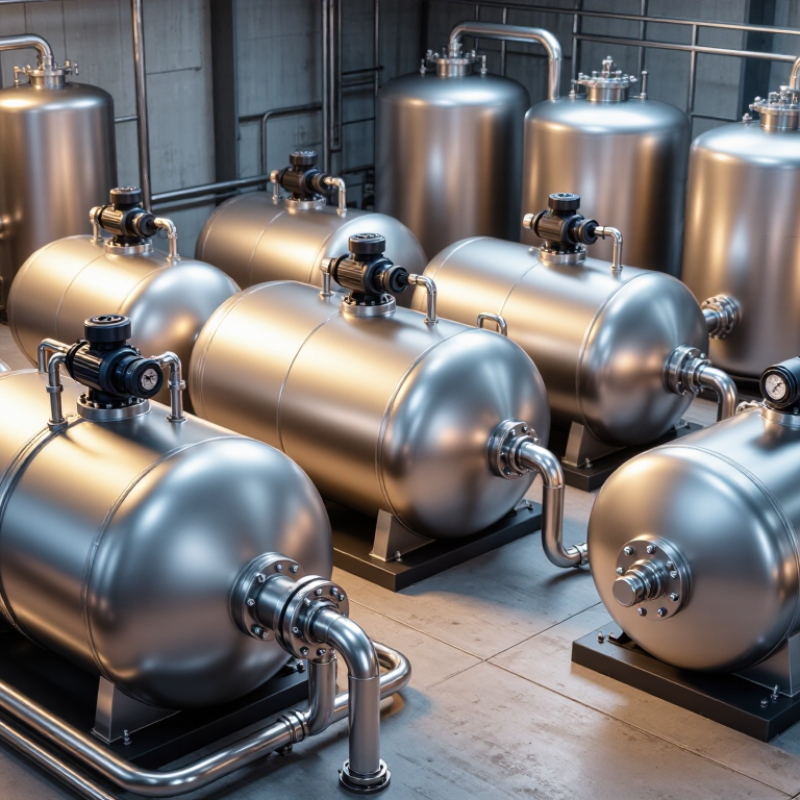
Transfer tanks and pumps move liquids safely between storage containers, vehicles, machinery, and work areas. Common uses include supplying diesel for approved equipment, transferring water, collecting used fluids, and feeding liquid materials into processing systems. A tank provides temporary storage. The pump controls movement, speed, and delivery pressure.

A suitable setup depends on the liquid, volume, temperature, and transfer distance. For example, a 200-liter tank may support a small generator, while larger operations need stronger supports and higher-capacity pumps. Electric pumps suit fixed facilities with reliable power. Manual pumps can help during short transfers, but they are slower and physically demanding. Hoses should match the liquid and operating pressure. Small leaks often begin at loose fittings.

Good practice includes checking tank walls, seals, grounding arrangements, vents, and emergency shutoff controls before use. Operators should keep the tank stable and avoid filling beyond its rated capacity. Filters can protect pumps from dirt, although they also require regular cleaning. Compatibility matters more than appearance. A pump that works well with water may fail with thicker liquids.

Field conditions often expose weak planning. A perfectly sized pump may still struggle with a long, narrow hose or a steep incline. Maintenance records, clear labels, and staff training improve reliability. Local safety rules and transport requirements must guide every installation. Even experienced operators can overlook condensation, worn gaskets, or incorrect flow direction. That small mistake can stop an entire workday.

Transfer Tanks and Pumps: Density of Common Transferred Fluids

Transfer tanks are used to store, collect, and transport liquids, while transfer pumps move fluids safely between tanks, vehicles, equipment, and processing systems. The chart shows representative fluid densities at approximately 20°C. Actual values can vary with temperature, formulation, and contamination, which should be considered when selecting tank capacity, pump power, seals, and hoses.

How to Evaluate Chinese Transfer Tank and Pump Suppliers

How to Evaluate Chinese Transfer Tank and Pump Suppliers

Choosing from China’s top transfer tank and pump suppliers requires more than comparing online prices. I assess the supplier’s manufacturing experience, technical documents, and response quality. A reliable supplier should provide material certificates, pump curves, pressure ratings, and clear inspection standards. Ask whether the tank uses stainless steel, carbon steel, or another suitable material for your liquid.

Factory evidence matters. Request recent workshop photographs, production videos, and sample inspection records. If possible, arrange a video audit or an independent factory visit. Check welding quality, surface treatment, leak testing, electrical protection, and labeling. Small details reveal process discipline. Poorly organized cable routing can signal wider quality risks.

I also compare the supplier’s engineering support after delivery. Can its team explain flow rate, head pressure, viscosity limits, and spare-part requirements? Ask for a complete quotation, including packaging, testing, installation guidance, and warranty terms. One mistake I made was trusting a fast reply too quickly. The supplier later struggled with a custom connection. That experience taught me to confirm every dimension in a signed drawing. Do not rely on assumptions. A low price may hide weak testing or unsuitable components. References from similar industries are useful, but verify them directly and request evidence of comparable equipment performance.

China’s Top 10 Transfer Tank and Pump Suppliers

China’s Top 10 Transfer Tank and Pump Suppliers

China’s top 10 transfer tank and pump suppliers should be assessed by engineering evidence, not catalog size. Grand View Research estimates the global industrial pumps market will grow at about 4.8% annually from 2024 to 2030. This demand increases the need for reliable fluid-transfer equipment. Strong suppliers usually provide stainless steel or carbon steel tanks, corrosion-resistant pumps, pressure testing, and traceable quality records. ISO 9001 certification is useful, but it cannot replace factory inspections or performance testing.

A practical comparison should examine flow rate, head pressure, tank volume, seal design, electrical protection, and spare-parts access. The International Organization for Standardization highlights risk control and documented processes as key quality principles. Suppliers serving food, chemical, water, and energy projects may require different materials and cleaning standards. A ranking can still mislead. Low prices may hide thin tank walls, weak welds, or expensive maintenance. Request test reports, drawings, warranty terms, and customer references before selecting a supplier.

Tips: Ask for a complete pump curve, not only a headline flow figure. Check wetted materials against the actual liquid. Confirm delivery dates in writing. A factory video helps, but an independent inspection is better. In my experience, small specification gaps often create the largest operating problems.

Key Products, Technologies, and Industry Applications

A credible China top 10 transfer tank and pump supplier list should examine more than production volume. Key products include stainless steel tanks, chemical dosing pumps, diaphragm pumps, gear pumps, and mobile diesel transfer units. Food, chemical, mining, agriculture, and construction sites require different materials and flow controls. Stainless steel suits hygienic liquids, while lined tanks resist aggressive chemicals. The International Energy Agency reports that motor-driven systems consume nearly half of global electricity. Pump efficiency therefore affects both operating cost and emissions.

Modern suppliers increasingly offer variable-frequency drives, dry-run protection, automatic level sensors, and remote monitoring. These technologies help control pressure and reduce overflow risks. The U.S. Department of Energy notes that pumping systems may consume 25% to 50% of electricity in some industrial facilities. A supplier with tested efficiency curves is more reliable than one presenting only impressive flow figures. ISO 9001 systems, pressure testing, material certificates, and traceable spare parts also matter. Yet specifications can be confusing. “Maximum flow” is often measured without hoses, filters, or elevation losses.

Tips: Ask for a complete duty-point test. Provide liquid viscosity, temperature, density, and transfer distance. Request energy data at normal operating conditions, not only peak capacity. For tank applications, check wall thickness, grounding, ventilation, and secondary containment. A practical factory visit can reveal welding quality and assembly discipline. Product catalogs rarely show everything. Supplier rankings should also consider response time, installation support, and documented field experience.

How to Select the Right Supplier for Your Requirements

China Top 10 Transfer Tank And Pump Suppliers?

How to Select the Right Supplier for Your Requirements

Choosing from China’s leading transfer tank and pump suppliers requires more than comparing prices. Start with the liquid, flow rate, pressure, temperature, and daily operating hours. A tank designed for water may fail with thicker fluids. Ask for material certificates, pump curves, seal details, and verified production records. Clear documentation shows professional control.

Inspect the supplier’s quality process before signing an order. Request factory videos, sample testing, weld inspection records, and references from similar applications. Check whether the supplier can provide installation guidance, spare parts, and responsive technical support. A low quotation may hide weak motors, unsuitable seals, or expensive maintenance. I have seen specifications look complete, yet small connection details caused installation delays. That mistake is easy to repeat.

Tips: Prepare a written requirement sheet. Compare identical specifications. Ask how performance is tested before shipment. Confirm packaging, delivery terms, warranty coverage, and service response times. If possible, arrange an independent inspection. Do not rely only on polished catalogs. One supplier may offer better engineering support, while another may provide faster production. The right choice depends on reliable evidence, not rankings alone.

China Top 10 Transfer Tank And Pump Suppliers? - How to Select the Right Supplier for Your Requirements
Rank Anonymous Supplier Profile Primary Product Focus Typical Tank Materials Typical Pump Types Typical Capacity or Flow Range Common Industries Key Compliance Evidence to Request Selection Score
1 Profile A: Integrated hygienic equipment manufacturer Transfer tanks Sanitary pump skids Custom systems 304 or 316L stainless steel; polished internal surfaces; optional jacketed construction Centrifugal, lobe, or diaphragm pumps selected according to product viscosity Approximately 50–10,000 L tanks; approximately 1–100 m³/h flow Food, beverage, dairy, cosmetics, and pharmaceutical processing Material certificates, surface-finish records, weld inspection, pressure-test records, and sanitary design documentation 9.6 / 10
2 Profile B: Industrial liquid-transfer equipment supplier Process tanks Chemical pumps Piping assemblies Carbon steel, 304 stainless steel, 316L stainless steel, or lined steel Magnetic-drive, centrifugal, self-priming, or screw pumps Approximately 100–30,000 L tanks; approximately 2–250 m³/h flow Water treatment, chemicals, coatings, metallurgy, and general manufacturing Material compatibility statement, pump performance curve, mechanical-seal specification, hydrostatic test, and factory acceptance test 9.3 / 10
3 Profile C: Flexible liquid-container and pump-system supplier IBC transfer tanks Mobile units Portable pumps 304 stainless steel, polyethylene, or polypropylene, depending on chemical compatibility Electric diaphragm, air-operated double-diaphragm, or small centrifugal pumps Approximately 100–2,000 L containers; approximately 0.5–40 m³/h flow Construction chemicals, agriculture, water treatment, and maintenance operations Container load rating, chemical-resistance data, electrical protection details, leak test, and operating instructions 9.1 / 10
4 Profile D: OEM pump and skid integrator Pump skids Dosing systems Control panels 304 or 316L stainless steel, with optional plastic or rubber-lined wetted components Metering, peristaltic, progressive-cavity, or centrifugal pumps Approximately 1–20,000 L tanks; approximately 0.01–150 m³/h flow Water treatment, chemical dosing, food ingredients, and process automation Flow-calibration data, control-panel test report, wiring diagram, pump curve, and spare-parts list 8.9 / 10
5 Profile E: Pharmaceutical and clean-process equipment supplier Clean tanks CIP systems Aseptic transfer 316L stainless steel with hygienic fittings and controlled internal surface finish Sanitary centrifugal, rotary lobe, or peristaltic pumps Approximately 20–5,000 L tanks; approximately 0.5–80 m³/h flow Pharmaceuticals, biotechnology, cosmetics, and high-purity liquids Traceability records, surface-roughness report, elastomer certificates, cleaning validation support, and welding documentation 8.8 / 10
6 Profile F: Bulk chemical storage and transfer supplier Storage tanks Chemical transfer Safety accessories Polyethylene, polypropylene, FRP, lined steel, or stainless steel according to the fluid Magnetic-drive, vertical, centrifugal, or air-operated diaphragm pumps Approximately 500–100,000 L tanks; approximately 1–300 m³/h flow Electroplating, water treatment, mining, fertilizers, and chemical processing Chemical-compatibility chart, tank-wall calculations, overflow protection, grounding plan, and pump seal information 8.6 / 10
7 Profile G: Food and beverage processing equipment supplier Mixing tanks Product transfer Filling support 304 or 316L stainless steel with sanitary clamps and optional insulation Sanitary centrifugal, lobe, or flexible-impeller pumps Approximately 100–20,000 L tanks; approximately 2–200 m³/h flow Dairy, beverages, sauces, edible oils, and liquid food ingredients Food-contact material declaration, hygienic design drawings, cleaning procedure, weld records, and final inspection report 8.5 / 10
8 Profile H: Explosion-risk-area pump and tank supplier Flammable-liquid transfer Explosion protection Grounding systems Carbon steel, 304 stainless steel, or 316L stainless steel with suitable coatings Explosion-protected centrifugal, gear, screw, or diaphragm pumps Approximately 100–50,000 L tanks; approximately 1–180 m³/h flow Solvents, paints, fuels, petrochemicals, and flammable chemical products Hazardous-area classification, motor and electrical certificates, grounding test, seal specification, and emergency-shutoff design 8.3 / 10
9 Profile I: Water and wastewater equipment supplier Buffer tanks Sludge transfer Filtration systems Polyethylene, FRP, coated carbon steel, or stainless steel Submersible, centrifugal, vortex, or progressive-cavity pumps Approximately 500–200,000 L tanks; approximately 2–500 m³/h flow Municipal water, industrial wastewater, sewage, and rainwater treatment Hydraulic calculations, solids-handling data, corrosion-resistance information, tank-load calculations, and commissioning report 8.1 / 10
10 Profile J: Small-batch and laboratory process supplier Compact tanks Laboratory transfer Pilot systems 316L stainless steel, borosilicate glass, PTFE-lined components, or engineering plastics Peristaltic, diaphragm, syringe, or miniature centrifugal pumps Approximately 5–1,000 L tanks; approximately 0.001–15 m³/h flow Research laboratories, specialty chemicals, cosmetics, and pilot production Calibration certificate, wetted-material list, dimensional drawings, cleaning instructions, and batch-test documentation 7.9 / 10
Selection note: The capacity and flow figures shown are typical engineering ranges rather than guaranteed specifications. Final selection should be based on liquid viscosity, temperature, density, solids content, chemical compatibility, required head, duty cycle, installation environment, applicable standards, and documented factory testing.
Open chat
Scan the code
Bendet Sales Assistant
Hi There👋,
Thank you for visiting our website, How can I help you?