How to Build Cooler Rooms for Optimal Storage Solutions?
In the world of temperature-sensitive storage, "Cooler Rooms" play a crucial role. Experts like Dr. Emily Carter, a refrigeration specialist, emphasize, "The right environment maximizes product lifespan." Creating these optimal storage solutions requires careful planning and execution.
When designing Cooler Rooms, one must consider insulation, airflow, and temperature control. Proper insulation prevents heat intrusion, while effective airflow ensures even temperature distribution. Many overlook these details, leading to inefficiencies that can shorten the life of stored products.
However, building Cooler Rooms is not without challenges. Each space presents unique requirements. Reflecting on past projects, one may find areas for improvement. Assessing what worked and what didn’t can guide future endeavors. Embracing both successes and setbacks is key to mastering Cooler Rooms.
Understanding the Importance of Cooler Rooms for Storage
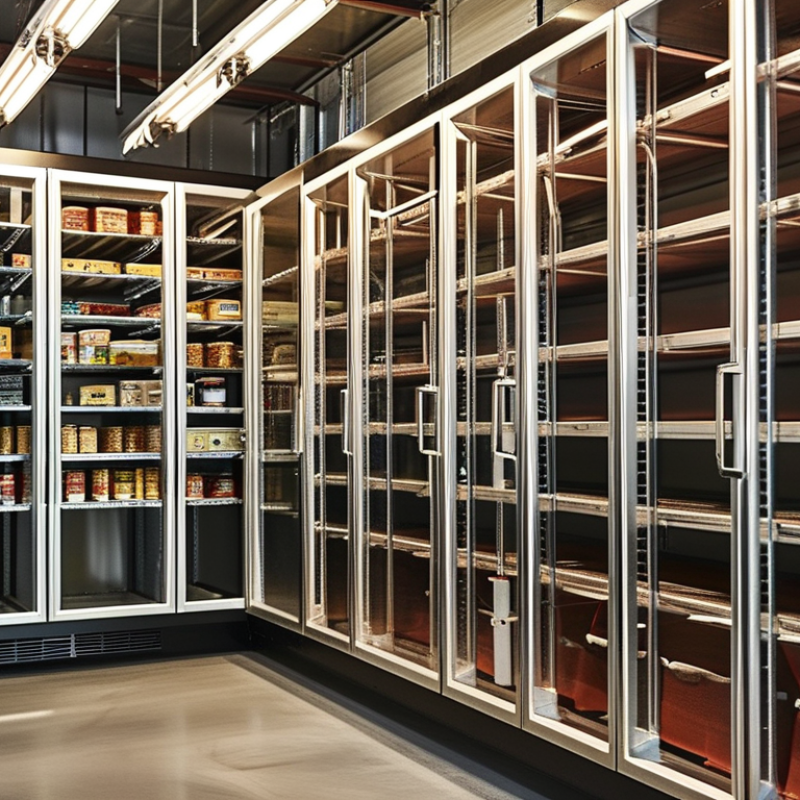
Cooler rooms are essential for effective storage. They maintain the ideal temperature and humidity levels for perishable items. Proper storage conditions can significantly extend the shelf life of products. For instance, fruits and vegetables last longer in cooler environments. This prevents spoilage and waste, which can lead to significant losses.
Creating a cooler room requires careful planning. It's important to assess the specific needs of the items being stored. An ideal cooler room should have adequate insulation and temperature control systems. Over time, many facilities struggle with inadequate cooling solutions. Regular maintenance of these systems is crucial. A malfunctioning unit can lead to increased temperatures and spoilage.
Investing in cooler room technology can enhance storage efficiency. This can be a cost-effective measure in the long run. However, building and maintaining cooler rooms can be challenging. Spaces must be designed to optimize airflow and energy use. Reflecting on past experiences, some facilities overlook these vital aspects, resulting in inefficiencies. Always prioritize the unique requirements of your storage needs.
Selecting the Right Location for Your Cooler Room
When selecting the right location for your cooler room, several factors come into play. Climate is crucial; cooler rooms perform best in stable environments. Areas with extreme temperatures can strain cooling systems. Assess local weather patterns. Consistent temperatures aid in maintaining product quality. Consider natural shade from buildings or trees. This can help reduce energy costs.
Access is another critical element. Your cooler room should be near delivery points. This reduces transportation time and keeps goods fresh. Easy access for loading and unloading helps streamline operations. Inspect the flooring too. A solid, level surface ensures equipment stability and safety.
Reflect on space constraints. Avoid overcrowding, as this can lead to inefficiencies. Plan for future growth; a limited space may hinder your operations later. Lastly, keep the area well-ventilated. Poor airflow can create temperature inconsistencies. Evaluate these aspects thoroughly to optimize your cooler room’s effectiveness.
Temperature Variations for Optimal Cooler Room Storage
Essential Features and Equipment for Optimal Functionality
Creating optimal storage solutions for cooler rooms involves incorporating essential features and equipment. Proper insulation is key to maintaining consistent temperatures. According to industry reports, well-insulated rooms can save up to 30% on energy costs. Additionally, adjustable shelving enhances organization, ensuring even use of storage space.
Tip: Invest in energy-efficient refrigeration units. These use less energy and provide reliable temperate control. Choosing equipment with dual cooling technology can also minimize temperature fluctuations, ensuring product quality.
Monitoring devices are crucial for tracking environmental conditions. Implement sensors for temperature and humidity to avoid spoilage. Recent studies indicate that improper humidity can lead to product loss, affecting industry profitability. It’s imperative to regularly evaluate system performance.
Tip: Schedule routine maintenance checks. This proactive approach can prevent equipment failures that disrupt storage efficiency. Regular assessment helps identify areas needing improvement, ensuring long-term functionality. Remember, even small adjustments can lead to significant improvements in cooler room management.
How to Build Cooler Rooms for Optimal Storage Solutions? - Essential Features and Equipment for Optimal Functionality
| Feature | Description | Importance | Recommended Equipment |
| Temperature Control | Maintaining a consistent temperature suitable for stored goods. | Prevents spoilage and preserves quality of temperature-sensitive items. | Refrigeration Units, Thermometers |
| Humidity Control | Regulating moisture levels to prevent mold and degradation. | Critical for items like food, pharmaceuticals, and certain textiles. | Dehumidifiers, Hygrometers |
| Airflow Management | Ensuring proper circulation of air to avoid stagnant conditions. | Prevents hot spots and maintains even temperature distribution. | Fans, Ventilation Systems |
| Insulation | Effective thermal barrier to reduce energy loss. | Improves efficiency and lowers operational costs. | Insulated Panels, Spray Foam Insulation |
| Security Features | Protection against unauthorized access and theft. | Safeguards valuable inventory and ensures product integrity. | CCTV, Access Controls |
Insulation and Temperature Control Techniques for Cooler Rooms
Insulation and temperature control are crucial for designing effective cooler rooms. According to a report by the U.S. Department of Energy, poorly insulated spaces can lead to energy losses of up to 30%. This emphasizes the need for high-quality insulation materials that minimize heat transfer. Insulating walls, roofs, and floors is vital. Polyurethane foam, for instance, has an R-value of 6.5 per inch, making it one of the best choices for cooler room applications.
Temperature control is equally important. Maintaining a stable temperature can extend the shelf life of perishable items. A study from the International Journal of Refrigeration indicated that each degree of temperature fluctuation can result in a 5% reduction in product quality. Utilizing advanced temperature monitoring systems can help ensure consistency. Automated systems can adjust cooling efficiency based on real-time data, reducing energy costs while maintaining optimal conditions.
However, designing cooler rooms presents challenges. Identifying insulation weaknesses can be difficult. Regular inspections are needed to ensure that seals and materials remain intact. While technology offers solutions, initial upfront costs can be high. Striking a balance between investment and long-term savings is necessary. Without careful planning, there can be unintentional oversights that impact performance.
Best Practices for Organizing and Maintaining Cooler Room Inventory
When organizing and maintaining cooler room inventory, start by ensuring optimal airflow. Pallet stacking should allow cool air to circulate freely. Avoid cramming items too closely together. Implementing clear labeling systems can greatly enhance the organization. Use color-coded tags for quick identification. This promotes efficiency during restocking.
Regular audits are essential. Set a schedule to review stock levels and product conditions. Note any expired or damaged items. This practice promotes a culture of accountability. Employees should be trained to maintain inventory standards. Create visual aids that remind them of best practices.
A well-organized cooler room not only saves time but enhances safety. Ensure all items are stored at the correct temperatures. Monitor conditions with reliable thermometers. Inconsistent temperature affects product quality. Review your logistics regularly to identify areas for improvement. This process is crucial for optimizing storage solutions.