


Choosing the ideal paint booth for your workshop is a critical decision that can significantly impact the quality of your work and the safety of your environment. As noted by industry expert Steve Harris, "The right paint booth doesn't just enhance the finishing process; it envelops the entire workspace in a protective layer, ensuring both precision and safety." With numerous options available on the market, navigating through the features and specifications of each booth can be overwhelming.
In this article, we will explore seven essential tips to help you identify the ideal paint booth tailored to your specific needs. From understanding airflow dynamics to considering sizing requirements, these insights will empower you to make an informed selection that aligns with your workshop's operational goals. Whether you’re working on small projects or larger industrial applications, having the right paint booth is crucial for achieving flawless finishes while maintaining a safe work environment. Let’s delve into the key factors that play a pivotal role in selecting the perfect paint booth for your workshop.
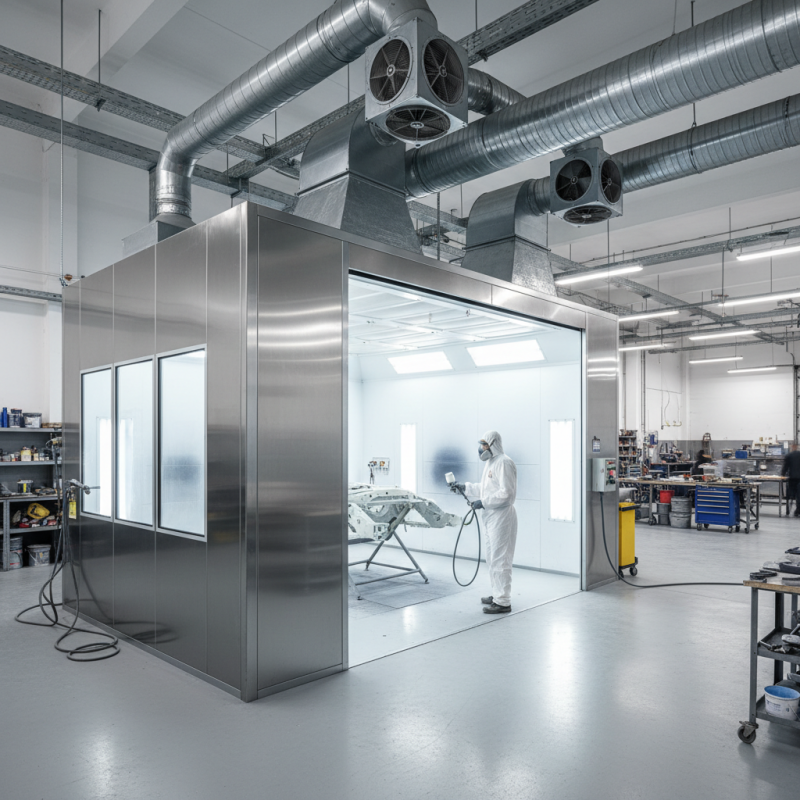
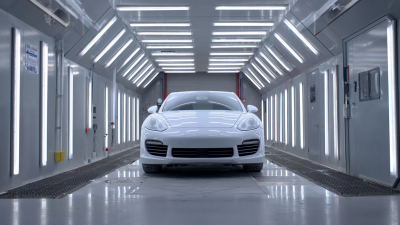
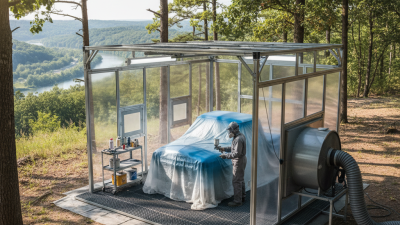
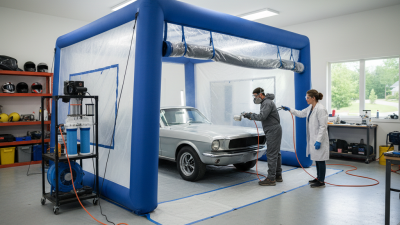
When selecting the ideal paint booth for your workshop, understanding the different types available is crucial. There are primarily three categories of paint booths: open face booths, downdraft booths, and crossdraft booths. Open face booths allow for excellent natural air circulation and are typically more affordable, making them suitable for small projects. In contrast, downdraft booths offer superior airflow, drawing air down through the floor and helping to eliminate overspray—ideal for high-quality finishes. Crossdraft booths, on the other hand, utilize fans on one side to draw air across the booth, providing a straightforward and effective solution for many workshops.
When considering your options, keep a few tips in mind. First, assess the space available in your workshop; ensure the booth you choose fits comfortably while allowing space for ventilation and equipment. Secondly, consider the type of painting you’ll be doing. For intricate work or automotive refinishing, investing in a downdraft booth may be worthwhile for its cleanliness and efficiency. Lastly, prioritize safety features, such as explosion-proof lights and proper filtration systems, to protect both your health and the environment during the painting process. By thoroughly understanding these different types and following these tips, you can make a well-informed choice that meets your workshop's specific needs.
| Dimension | Details |
|---|---|
| Type of Paint Booth | Downdraft, Crossdraft, Open Face, Mobile |
| Size | Available in small, medium, and large sizes |
| Ventilation | High-efficiency particulate air (HEPA) filtration |
| Material | Steel, aluminum, and composite materials |
| Heating Options | Electric, gas-powered, or infrared heaters |
| Mobility | Fixed or mobile options available |
| Price Range | $2,000 - $30,000 depending on features |
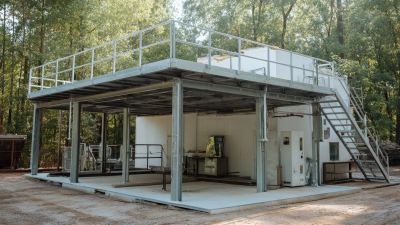
When selecting the appropriate paint booth for your workshop, the dimensions and size are crucial factors that significantly impact both functionality and efficiency. Before determining the size, assess the specific types of projects that will take place in the booth. Larger projects, such as vehicles or furniture, require a spacious booth to accommodate not just the item being painted but also ensure that there's enough room for the painter to maneuver safely. Considering the frequency and volume of work can also guide you in deciding whether a bigger booth that facilitates larger batches or individual pieces is necessary.
Another important consideration is the workshop's available space. The paint booth should fit comfortably within your workshop environment without obstructing workflow. This requires measuring the area where the booth will be installed and factoring in necessary clearances for air circulation and easy access. Additionally, evaluate the layout; a well-placed booth can enhance workflow, while an ill-fitted one may hinder operations. By aligning booth size with both project requirements and spatial constraints, you can create a more efficient and safe working environment.
A well-designed ventilation system is crucial for maintaining efficiency in a paint booth, as it directly affects both the quality of the finish and the safety of the workspace. Proper ventilation helps to regulate airflow, ensuring that volatile organic compounds (VOCs) and other harmful fumes are effectively captured and exhausted. This not only minimizes the risk of inhalation exposure for workers but also reduces the chances of overspray and contamination on the painted surfaces. Adequate air changes per hour are essential to keep the environment healthy and conducive for painting.
Additionally, an efficient ventilation system plays a significant role in maintaining optimal temperature and humidity levels inside the booth. Fluctuations in these conditions can lead to issues like poor adhesion, uneven drying, or finish defects. By incorporating advanced filtration methods and strategically positioned intake and exhaust systems, workshops can create a controlled environment that supports consistent application and drying of paints.
Regular maintenance of the ventilation system ensures that it functions effectively, prolonging the life of the booth and ensuring the highest possible quality in every project.
When considering the cost-effectiveness of paint booths for your workshop, it's essential to analyze not just the initial investment but also the ongoing operational costs. A well-chosen paint booth can save you money in the long run by enhancing productivity and reducing waste. Look for features that promote efficiency, such as energy-saving technologies and easy maintenance options, which can significantly decrease your operating expenses.
One crucial tip for selecting the ideal paint booth is to assess your specific needs. For instance, consider the types of projects you'll be working on and choose a booth that accommodates the required size and airflow. A booth that matches your workflow can lead to improved efficiency and reduced time spent on each job, ultimately saving costs. Additionally, evaluate the booth's filtration system; a high-quality system can not only enhance the finish but also minimize overspray, further lowering material costs.
Another important aspect is the booth's compliance with safety standards and regulations. Investing in a well-constructed booth that meets safety requirements can prevent costly fines and potential shutdowns. It's also advisable to consider the longevity of the booth as a durable, high-quality option may require a larger upfront cost but will pay off by reducing the frequency of replacements. Prioritizing these elements will help ensure that your investment in a paint booth yields the best financial results for your workshop.
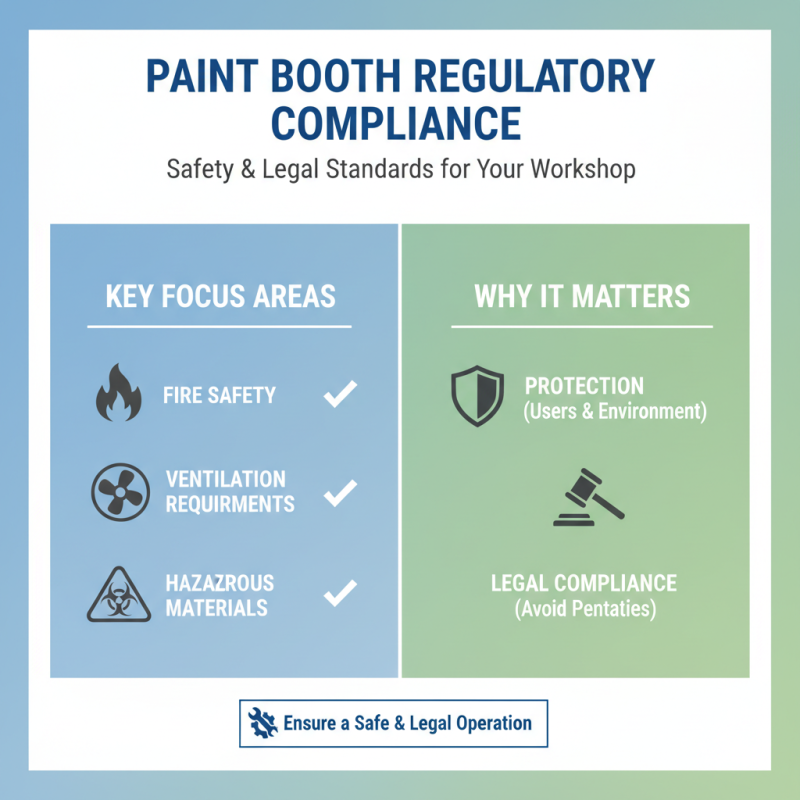
When selecting a paint booth for your workshop, it is essential to prioritize regulatory standards and compliance. Understanding local and national safety regulations will ensure that your paint booth operates within legal boundaries while protecting both the users and the environment. Compliance with standards such as fire safety, ventilation requirements, and hazardous materials handling is crucial to avoid penalties or health risks associated with improper usage.
One important tip is to familiarize yourself with the specific codes that govern paint booth operations in your area. This often involves verifying that the booth meets the Environmental Protection Agency (EPA) regulations and local air quality standards. Additionally, consider the materials used in the construction of the booth, ensuring they meet safety requirements to minimize fire hazards.
Furthermore, always consult with a professional who is knowledgeable about installation requirements and compliance. They can guide you in selecting the right paint booth size and configuration to comply with regulations while enhancing operational efficiency. Remember, investing in a quality paint booth that adheres to regulatory standards not only protects your workshop but also enhances the quality of your projects.
Hein Minnie
Cell nr: +27 (0) 82 564 6501
Email: sale@thecirclemachine.com
Hein Minnie Jnr
Cell nr: +27 (0) 84 284 7234
Email: sale@thecirclemachine.com
Address:
10 Apsey Street,
Heidelberg,
Gauteng,
1441
Bendet Engineering Services (PTY) LTD was established in 1987. Our team of engineers and draughtsman are ready to deliver a complete turnkey solution, from the design phase to commissioning. A dedicated team that consists of electrical, mechanical and industrial engineers, we are able to offer a comprehensive service to our clients.