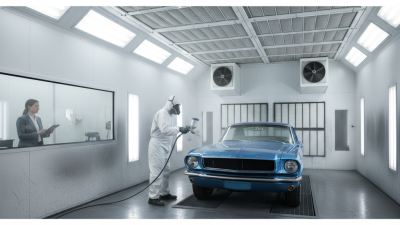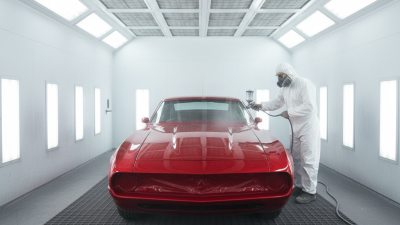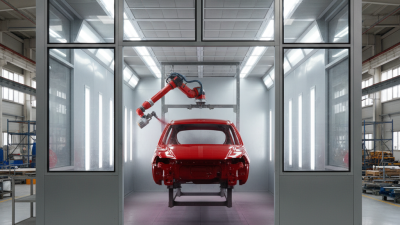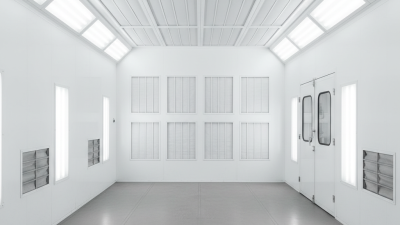

The sewinfla paint booth market has seen significant growth in recent years. Buyers around the globe seek efficient and effective painting solutions. Choosing the right paint booth can be overwhelming. Each booth comes with unique features that cater to specific needs.
When considering a sewinfla paint booth, it's essential to focus on functionality. Features like ventilation systems, size options, and energy efficiency play a crucial role. Buyers often overlook these aspects, leading to dissatisfaction. Quality booths provide a controlled environment, ensuring an excellent finish. However, many buyers forget to evaluate the necessary space for installation.
Moreover, understanding the operational costs is important but often neglected. While some booths seem affordable upfront, maintenance and energy use can add up. A more expensive booth could save money in the long run. Buyers should reflect on their specific requirements before making a decision on a sewinfla paint booth.
Sewinfla paint booths are designed with features tailored for the international market's needs. A focus on energy efficiency is paramount. Recent industry reports indicate that booths equipped with advanced heating systems can save up to 30% in energy costs. This benefit appeals to global buyers seeking sustainable solutions.
Air filtration systems play a vital role in maintaining a safe workspace. High-efficiency particulate air (HEPA) filters can capture 99.97% of airborne particles. Clean air increases operational safety and product quality. Buyers must consider this when evaluating options.
Attention to detail matters in the design process. Adjustable lighting systems help operators achieve precise color matching, enhancing finish quality. The ability to customize booth dimensions further meets various project requirements. However, buyers should reflect on whether a one-size-fits-all approach truly meets their unique needs.
Optimal ventilation is crucial for any paint booth. A well-ventilated booth controls odors and fumes effectively. This can improve worker satisfaction and compliance with health regulations. Proper airflow reduces the likelihood of paint defects caused by environmental factors. Evaluating the booth's airflow design is necessary for optimal performance.
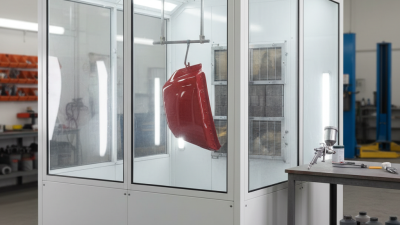
Airflow control is essential in high-quality paint booths. Proper airflow ensures that paint is applied evenly and efficiently. It prevents issues like overspray and dust contamination. Without effective airflow management, the quality of the paint job can suffer. An inconsistent airflow can lead to uneven surfaces and poor adhesion. Buyers should prioritize booths that offer adjustable airflow options.
For optimal results, focus on ventilation systems that can be customized. High-quality booths often feature multiple fan settings. This allows for adjustments depending on the specific requirements of each project. Also, consider booths equipped with filters to enhance air quality. Filters trap contaminants, ensuring a clean environment for painting.
Ensuring adequate airflow can help improve worker safety. When volatile compounds are released, proper ventilation disperses harmful fumes quickly. This not only protects the workspace but also helps maintain compliance with safety regulations. An efficient airflow system supports a healthier work environment.
Having a paint booth without adequate airflow control can lead to frustrations. Users may struggle with inconsistent results and longer curing times. Reflect on the importance of airflow during the selection process. Prioritize features that enhance air distribution and filter performance. These considerations can significantly impact the final product quality.
Environmental regulations are increasingly essential in global markets, especially in the paint booth sector. Compliance not only ensures safety but also enhances brand reputation. A report from the International Air Quality Association noted that industrial VOC emissions are a significant concern. About 36% of VOC emissions come from paints and coatings. Therefore, companies must adopt strategies to minimize these emissions.
Advanced paint booths now utilize state-of-the-art filtration systems. These systems can capture over 95% of harmful particles. According to the Environmental Protection Agency, businesses that implement effective pollution controls can reduce operational costs by up to 30%. This is a crucial consideration for manufacturers aiming to balance profitability with compliance. They often need to rethink their existing processes to incorporate more sustainable practices.
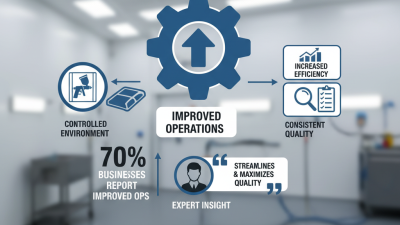
The challenge lies in navigating diverse regulations in various regions. Different countries have distinct standards for emissions and waste management. A recent study indicated that 70% of manufacturers face difficulties understanding these compliance requirements. Continuous education and investment in technology may be necessary to meet these evolving demands. Companies should regularly evaluate their practices to ensure they align with the latest environmental standards.
| Feature | Description | Compliance Standard | Applicable Region | Environmental Impact |
|---|---|---|---|---|
| High Efficiency Filters | Removes up to 99.97% of particles from the air. | HEPA compliance | North America, Europe, Asia | Reduced air pollution |
| Waste Management System | Handles and disposes of hazardous waste safely. | EPA Regulations (USA) | Global | Minimized ecological footprint |
| LED Lighting | Energy-efficient lighting system for enhanced visibility. | Energy Star certified | North America, Europe | Lower energy consumption |
| Noise Reduction Technology | Reduces operation noise to comply with local ordinances. | Local Noise Control Regulations | Urban areas globally | Improved workplace environment |
| Airflow Management | Optimized airflow patterns to reduce VOC emissions. | ISO 14001 | Global | Enhanced air quality |
The advancement of innovative filtration systems in paint booths is reshaping paint quality standards. Studies show that effective filtration can reduce airborne contaminants by up to 90%. This reduction directly correlates with improved paint adhesion and durability. High-quality filtration systems are not just a luxury but a necessity in achieving a flawless finish.
However, the challenges remain evident. Many facilities still operate with outdated equipment, impacting overall performance. A report by the Environmental Protection Agency highlights that nearly 30% of industrial paint applications fail due to improper filtration. This inefficiency leads to waste and increased operational costs. Selecting the right filtration system is critical for overcoming these hurdles while maintaining compliance with environmental regulations.
When investing in paint booths, understanding the capabilities of filtration systems is crucial. Features such as multi-stage filtration formats can enhance overall performance. Yet, buyers often overlook the importance of routine maintenance. Regular checks on filtration efficiency can prevent potential issues that may arise from neglect. Making informed decisions can significantly elevate paint quality while also reflecting an organization’s commitment to excellence.
When creating a paint booth, user safety and efficiency should be at the forefront. Ergonomic design elements can significantly enhance the user experience. Features such as adjustable workstations and optimized lighting not only improve comfort but also increase productivity. Allowing users to tailor their workstation height prevents strain during long hours of painting.
Ventilation systems designed with ease of access in mind can reduce health risks. By integrating strategically placed exhaust fans, harmful fumes are dispelled efficiently. Moreover, a layout that minimizes repetitive movements can help reduce the risk of injury. Ensuring all tools and materials are within reach keeps users focused and less fatigued.
However, while many designs aim for user comfort, they sometimes overlook specific needs. For instance, users with unique physical requirements may feel left out. It’s essential to include feedback from diverse groups to enhance the design continuously. Innovative features should evolve based on real user experiences to truly embody safety and efficiency.
Hein Minnie
Cell nr: +27 (0) 82 564 6501
Email: sale@thecirclemachine.com
Hein Minnie Jnr
Cell nr: +27 (0) 84 284 7234
Email: sale@thecirclemachine.com
Address:
10 Apsey Street,
Heidelberg,
Gauteng,
1441
Bendet Engineering Services (PTY) LTD was established in 1987. Our team of engineers and draughtsman are ready to deliver a complete turnkey solution, from the design phase to commissioning. A dedicated team that consists of electrical, mechanical and industrial engineers, we are able to offer a comprehensive service to our clients.