





Choosing the best Pet Bottle Baling Machine from China requires more than comparing price tags. The right machine must match your bottle volume, sorting quality, bale specifications, labor capacity, and export requirements. A machine that performs well in a large recycling center may struggle in a small warehouse with irregular material flow. The details matter.
The OECD’s Global Plastics Outlook reports that global plastic waste doubled from 2000 to 2019, while only about 9% was ultimately recycled. PET bottles are valuable recyclable materials, but loose bottles consume considerable storage and transport space. A reliable baler can compress them into stable, stackable bales, reducing handling pressure and improving logistics efficiency. UNEP’s Turning off the Tap report also identifies better recycling systems as an important part of reducing plastic pollution by 2040.
Performance should be judged carefully. Check hourly throughput, bale density, chamber dimensions, motor power, energy use, and tolerance for wet or contaminated bottles. Automatic strapping, anti-jam protection, emergency stops, and a clear PLC interface can improve daily operation. After-sales support matters just as much. Spare parts availability and remote troubleshooting can prevent a minor fault from becoming a costly shutdown.
A perfect machine does not exist. That is worth remembering.
Based on practical equipment evaluation and supplier experience, the best Chinese model is the one that delivers consistent bales under your actual working conditions. Factory audits, sample tests, warranty terms, and documented performance data should guide the decision. This introduction examines these factors in detail, helping buyers compare Chinese manufacturers with greater confidence and fewer expensive assumptions.
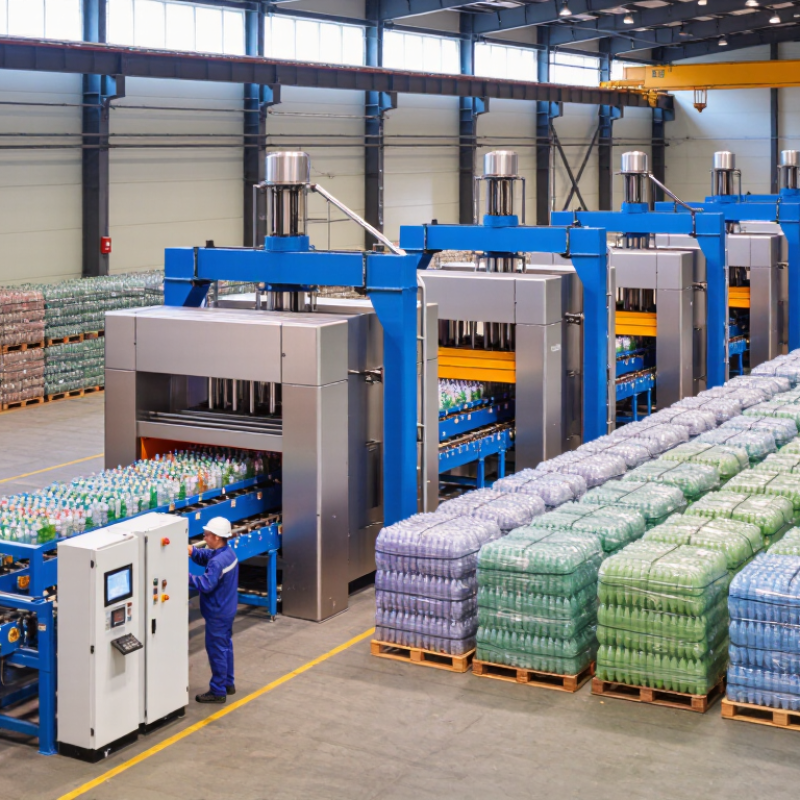
A PET bottle baling machine compresses loose plastic bottles into dense, manageable bales. It usually uses a hydraulic system, a pressing chamber, binding wires, and a control panel. The machine reduces storage space and makes handling easier. It does not wash or sort bottles. That work must happen before baling. Clean, dry bottles usually produce more stable bales. Moisture can increase weight without improving material value.
The best machine depends on daily volume, bottle condition, bale size, and available power. During practical evaluations, operators often check whether the chamber accepts irregular bottles without frequent blocking. They also examine pressing pressure, cycle time, and bale release speed. A reliable supplier should provide clear technical drawings, electrical details, spare-part information, and test videos using similar material. Small details matter. Door alignment can affect safety and productivity.
A machine with excessive pressure is not automatically better. It may consume more energy and place extra stress on seals. In one trial, uneven feeding created loose corners, even though the hydraulic pressure looked sufficient. That result needed more attention to loading habits, not only stronger equipment. Buyers should request a sample test before purchase. Ask for measured bale weight, dimensions, cycle time, and noise data. Operator training, emergency stops, guards, and maintenance access deserve equal attention. Imported equipment may require local electrical adjustments, which should be confirmed before shipment.
A PET bottle baler turns loose bottles into dense, transportable bales. Bottles enter through a conveyor or manual feed opening. Inside the chamber, a hydraulic ram pushes them against a fixed wall. Pressure removes most trapped air. The machine then ties each bale with wire, plastic strap, or approved binding material.
The OECD Global Plastics Outlook (2022) reported that global plastic waste more than doubled between 2000 and 2019. Only about 9% was recycled. This makes efficient collection and compression increasingly important. A well-adjusted baler can reduce storage volume sharply and lower truck movements. However, performance depends on bottle moisture, contamination, feed consistency, and ram pressure. A powerful machine is not automatically the best choice from China. That assumption is often wrong. Operators should compare hourly throughput, bale dimensions, energy use, safety controls, and local service support.
Tips: Remove stones, metal, and excess liquid before baling. Keep PET colors separated when buyers require it. Check strap tension after several cycles. A loose bale may expand during transport. Also, record bale weight and cycle time weekly. These simple records reveal problems earlier than visual inspection. One practical weakness remains: advertised capacity may use perfectly prepared bottles. Real facilities usually process mixed, wet, or flattened material. Ask for a test using your actual feedstock before purchasing.
A high-quality PET bottle baling machine should match the recycler’s daily volume, bottle condition, and available floor space. In practical operation, stable feeding matters more than impressive advertised capacity. A wide hopper reduces bridging, while a controlled conveyor protects operators from uneven loading. The chamber should create dense, uniform bales that remain secure during storage and transport.
Pressure control is a defining feature. Adjustable hydraulic force helps process loose bottles, crushed containers, and mixed moisture levels without overloading the system. A reliable machine should include automatic bale ejection, clear pressure readings, and strong chamber walls. Wire or strap channels must hold the bale firmly. Small design details matter.
Safety cannot be an afterthought. Door interlocks, emergency stops, guards, and overload protection should be easy to test during routine inspections. Energy-efficient motors can reduce operating costs, but actual consumption depends on loading habits and maintenance. A PLC control system is useful when operators can understand it without constant technical support. Simple controls often outperform complicated ones.
From supplier experience, a test run with real PET bottles reveals more than a brochure. Check bale density, cycle time, noise, oil leakage, and recovery after continuous operation. Ask for maintenance schedules, spare-part availability, and training documents. One overlooked issue is bottle contamination; labels, liquid, and metal pieces may affect performance. The “best” machine is not always the fastest. It is the one that performs consistently, fits the workflow, and remains serviceable after months of demanding use.
Choosing the best PET bottle baling machine from China requires comparing manufacturers, not only comparing prices. A reliable supplier should explain throughput, bale weight, chamber size, and power requirements clearly. Ask for test results using bottles similar to yours. Wet, crushed, or heavily labeled bottles can behave differently inside the chamber. Request a live video test. Better still, inspect the factory or hire an independent auditor.
Experienced manufacturers usually provide detailed drawings, electrical diagrams, installation guidance, and spare-parts lists. Check whether the machine uses durable hydraulic components and a controllable feeding system. Bale density matters because loose bales increase transport costs. Ask how the machine handles plastic dust, uneven feeding, and emergency stops. Safety guards should be practical, not decorative. Certification documents should be verifiable and match the actual machine model.
Communication also reveals technical ability. Can the sales engineer calculate capacity from your daily bottle volume? Can the manufacturer explain warranty limits, response times, and remote troubleshooting? Ask for references from recycling facilities with similar working hours. A low quotation may hide expensive wiring, weak steel plates, or difficult maintenance. This is easy to miss. I would also request a written acceptance standard before payment. My own comparison method is not perfect; factory visits can create a favorable impression, while long-term support remains uncertain. Leave room for doubts, and compare at least three complete offers rather than three price sheets.
A practical comparison of commonly published throughput ranges by machine format
Automatic horizontal PET bottle balers generally provide higher and more consistent throughput than vertical or semi-automatic models. When comparing manufacturers, buyers should verify whether the stated capacity is based on loose bottles or pre-compacted material, and should also evaluate bale density, power consumption, feeding stability, safety systems, and after-sales support.
The figures represent typical published specification ranges for Chinese PET bottle baling equipment. Actual performance depends on bottle moisture, material contamination, feeding method, bale size, and operator workflow.
Choosing the best PET bottle baling machine from China starts with your material stream, not the catalogue price. Measure daily bottle volume, moisture, label content, and contamination. The OECD Global Plastics Outlook reported that only 9% of global plastic waste was recycled in 2019. Efficient preparation still matters.
Measure the stream. Test real material.
Select a baler that matches your peak hourly volume, not your average shift. Check the feed opening, chamber size, bale density, and motor power. A machine producing dense, stable bales can reduce storage space and transport costs. The 2023 NAPCOR PET Recycling Report recorded a 24.9% PET bottle recycling rate in the United States for 2022. Better baling cannot solve weak collection systems, but it can improve handling quality.
Ask the Chinese supplier for a live trial using your bottles. Inspect bale shape after compression, wire or strap security, cycle time, and oil temperature. Confirm whether the machine handles wet bottles without frequent blockages. Automatic controls are useful, yet simple access for cleaning may matter more in a dusty plant. Request electrical drawings, spare-parts lists, safety documentation, and remote service response times. Factory acceptance testing is worth the extra effort. I have seen specifications look excellent until mixed bottles entered the chamber. That gap deserves attention. A two-week operating trial may reveal more than a polished sales video.
| Selection Dimension | Small-Scale Vertical Baler | Semi-Automatic Horizontal Baler | Fully Automatic Horizontal Baler | Recommended Evaluation |
|---|---|---|---|---|
| Typical application | Retail stores, restaurants, small collection points and compact recycling areas | Material recovery facilities and medium-volume PET collection operations | Large recycling plants, distribution centers and continuous-feed operations | Match the machine type to daily bottle volume and available labor |
| Typical bale weight | Approximately 30–80 kg per bale | Approximately 150–350 kg per bale | Approximately 300–600 kg per bale | Confirm bale weight requirements with the recycler or transport provider |
| Typical throughput | Approximately 0.1–0.4 tonnes per hour | Approximately 0.4–1.2 tonnes per hour | Approximately 1.0–3.0 tonnes per hour | Actual output depends on bottle size, moisture, contamination, feeding method and operator skill |
| Recommended daily volume | Up to approximately 5 tonnes per day | Approximately 5–25 tonnes per day | More than approximately 20 tonnes per day | Use the expected peak volume, not only the monthly average |
| Installed motor power | Approximately 5.5–15 kW | Approximately 15–30 kW | Approximately 30–75 kW or more | Check voltage, frequency, phase requirements and available electrical capacity |
| Feeding method | Manual top or front loading | Manual or conveyor-assisted loading | Conveyor, hopper or integrated sorting-line feeding | Ensure the feed opening is compatible with the upstream conveyor and sorting equipment |
| Typical bale dimensions | Approximately 700–1,100 × 400–800 × 500–900 mm | Approximately 1,100–1,500 × 700–1,100 × 700–1,100 mm | Approximately 1,100–1,500 × 700–1,100 × 700–1,200 mm | Verify bale size against truck capacity, storage racks and buyer specifications |
| Bale tying system | Manual wire, PET strap or PP strap tying | Manual or semi-automatic tying with wire or plastic strap | Automatic wire or strap tying, depending on configuration | Select the tying material accepted by the downstream recycling process |
| Bottle preparation | Bottles should be drained and pre-crushed when possible | Loose bottles, with optional perforation or pre-crushing | Best performance with controlled feeding and consistent bottle preparation | Excess liquid, caps, labels and foreign materials can reduce bale quality and density |
| Automation level | Low; requires more operator involvement | Medium; balances investment and labor savings | High; suitable for continuous production and reduced manual handling | Compare labor cost, expected utilization and payback period |
| Space requirement | Lowest footprint; suitable for restricted floor space | Medium footprint with room for loading and bale discharge | Largest footprint; requires conveyor access and bale storage space | Allow additional clearance for maintenance, safe access and bale movement |
| Hydraulic pressure range | Commonly approximately 10–25 MPa | Commonly approximately 15–25 MPa | Commonly approximately 20–30 MPa | Review rated pressure, cycle time, hydraulic protection and maintenance access |
| Safety features to verify | Emergency stop, guarded chamber and door interlock | Emergency stop, interlocked doors, overload protection and guarded moving parts | Full line guarding, emergency circuits, interlocks, overload protection and safe discharge controls | Request a risk assessment, operating manual and applicable conformity documents |
| Best overall choice | Best when capital cost and compact size are more important than labor efficiency | Best balance for many medium-volume PET bottle recycling operations | Best for high-volume operations with stable feedstock and a trained maintenance team | For most growing operations, begin by comparing semi-automatic horizontal systems with full lifecycle costs |
Note: The figures above are typical engineering ranges for PET bottle baling equipment and should be confirmed against the final machine configuration, material condition, electrical standard and required bale density.
Hein Minnie
Cell nr: +27 (0) 82 564 6501
Email: sale@thecirclemachine.com
Hein Minnie Jnr
Cell nr: +27 (0) 84 284 7234
Email: sale@thecirclemachine.com
Address:
10 Apsey Street,
Heidelberg,
Gauteng,
1441
Bendet Engineering Services (PTY) LTD was established in 1987. Our team of engineers and draughtsman are ready to deliver a complete turnkey solution, from the design phase to commissioning. A dedicated team that consists of electrical, mechanical and industrial engineers, we are able to offer a comprehensive service to our clients.