






Heat Shrink Wrap is an essential packaging solution for various industries. This versatile material provides protection, durability, and a professional finish for products. With its ability to conform tightly around items when heat is applied, it prevents damage from environmental factors. As global trade expands, understanding the best heat shrink wrap options is crucial for suppliers and buyers alike.
The market offers a wide range of heat shrink wrap products. However, not all options are equal. Factors such as thickness, material composition, and shrinkage ratios affect performance. Buyers need to evaluate these elements to make informed decisions. Price is important, but quality should never be compromised. The reliability of heat shrink wrap impacts shipment safety and customer satisfaction.
While exploring heat shrink wrap options, buyers may face challenges. Not every product on the market meets safety standards. Additionally, proper application techniques can vary. Understanding potential pitfalls is essential for achieving desired results. Careful consideration and research will lead to better purchasing choices in this competitive landscape.
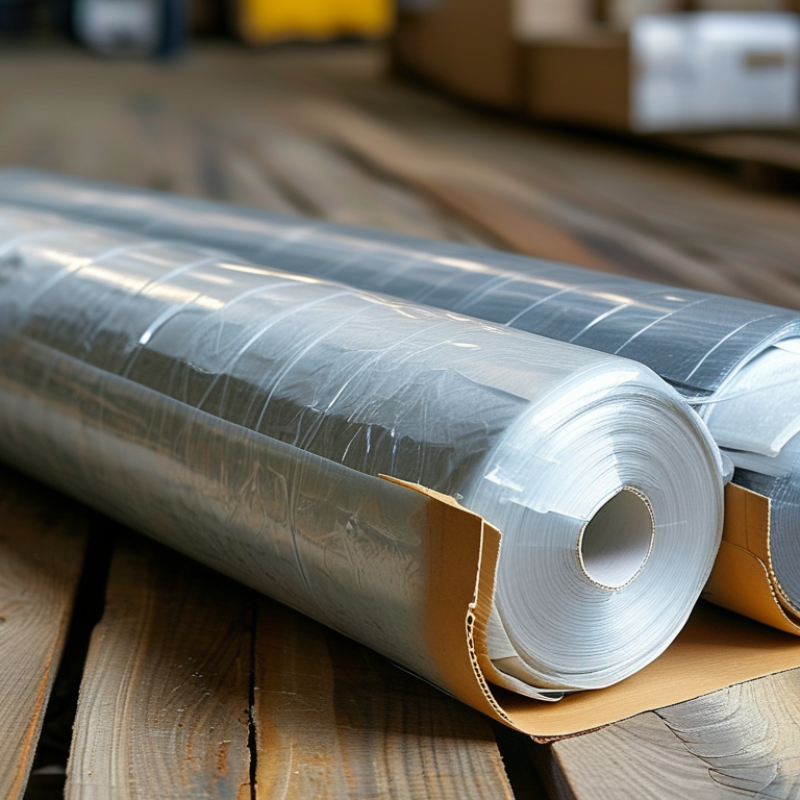
Heat shrink wrap is commonly used across various industries. It provides protection and insulation for products. This material is versatile and can adapt to various shapes and sizes. Its applications range from packaging fragile items to securing electrical components.
One notable feature of heat shrink wrap is its ability to tightly conform to the shape of the object upon heating. This shrinkage creates a secure barrier against moisture and dirt. In sectors like manufacturing, this is crucial for maintaining quality. Some users find that selecting the right type can be challenging. Different thicknesses and materials exist, leading to potential mistakes in application.
The effectiveness of heat shrink wrap depends on proper usage. Many buyers overlook the importance of heating tools. Insufficient heat can lead to inadequate shrinkage. Additionally, environmental factors can affect performance. While heat shrink wrap is reliable, one must remain aware of these nuances for the best results.
When selecting the best heat shrink wrap products, there are several criteria to consider. The first is size and thickness. Ensure the wrap fits your items closely yet allows some flexibility. Thicker materials typically provide better insulation and protection. Pay attention to the shrink ratio as well. A higher ratio indicates a more versatile product.
Another critical factor is the shrink temperature. Different applications require varying temperatures. Quality heat shrink wraps should shrink efficiently at low temperatures. This feature helps avoid damage to sensitive items during the process.
Tips: Always test a small piece before full application. This approach can reveal if the wrap works with your items. Next, consider environmental impact. Some products have eco-friendly options. Finding sustainable materials reflects better on your business practices.
Finally, review the product's clarity and appearance. For presentation purposes, clear wraps enhance visibility. A professional look can draw attention to your work. Experiment with different options. Not every wrap will meet your needs perfectly. Sometimes, trial and error lead to better decisions.
When exploring the best heat shrink wrap for international consumers, it’s essential to consider quality and versatility. Effective heat shrink wraps can protect items from moisture, dust, and abrasions. They also come in various sizes and styles. These wraps are crucial for shipping, storage, and packaging needs worldwide.
**Tip:** Always check the temperature range of the heat shrink wrap. Some materials perform better under specific conditions. If you're handling sensitive items, opt for a wrap designed for temperature fluctuations.
Different markets may have different preferences. Some consumers may prioritize thickness, while others focus on clarity. It's important to test several options to find the best fit for your needs. Consider trying out smaller rolls before committing to bulk purchases.
**Tip:** Remember to evaluate the shrink ratio. A higher shrink ratio might be better for bundling numerous small items. Inspect reviews and user experiences before making decisions. This approach helps in avoiding costly mistakes.
| Option | Material | Temperature Rating (°C) | Shrink Ratio | Application |
|---|---|---|---|---|
| General Purpose | Polyolefin | -55 to 125 | 2:1 | Electrical Insulation |
| Heavy Duty | PVC | -20 to 105 | 4:1 | Cable Bundling |
| Multi-purpose | Fluoropolymer | -55 to 175 | 3:1 | Automotive Applications |
| Thin Wall | Polyethylene | -40 to 85 | 2:1 | Lightweight Insulation |
| High-temp | Polyimide | -200 to 260 | 2:1 | Aerospace Wiring |
Heat shrink wrap is essential in various industries, providing protection and insulation for products. The choice of material significantly impacts performance and usability. Polyolefin, PVC, and cross-linked polyethylene are common options, each offering unique benefits and drawbacks.
Polyolefin is popular for its flexibility and durability. It can shrink tightly around items, providing a secure fit. According to a 2022 industry report by Smithers, polyolefin has seen a 15% increase in usage due to its robustness in diverse applications. However, it can be more expensive than other materials.
PVC, while cost-effective, poses certain challenges. It is less flexible and may not provide the best fit for irregular shapes. A 2021 Packaging Strategies survey showed that 30% of respondents found PVC inadequate for high-temperature applications. Finally, cross-linked polyethylene offers superior heat resistance but can be more challenging to work with. This material is ideal for heavy-duty applications but might not be as user-friendly for small-scale projects.
Ultimately, selecting the right heat shrink wrap requires careful consideration of the characteristics of each material. Understanding the trade-offs can improve efficiency and product safety.
When using heat shrink wrap, proper technique is key to achieving the best results. Start by selecting the right size of wrap for your item. Wrapping too tightly can cause tears, while too loose a fit can lead to inadequate sealing. Ensure the surface is clean and dry to promote effective adhesion. Using a heat gun is the preferred method for shrinking the wrap, delivering focused heat without damaging the product underneath.
Pay attention to the temperature settings of your heat source. Too high a temperature can cause the wrap to burn or create fumes. Monitor the shrinking process closely. It’s easy to overheat and ruin your project. If your wrap ruins, reflect on how to adjust your technique next time.
Experimenting with various materials can also lead to discover the best option for your specific application. While heat shrink wrap can be forgiving, it requires practice. Mistakes will happen, whether from improper sizing or excessive heating. Document your successes and failures. Reflect on what went wrong. This approach will improve your skills over time and ensure you can use heat shrink wrap effectively for various tasks.
Hein Minnie
Cell nr: +27 (0) 82 564 6501
Email: sale@thecirclemachine.com
Hein Minnie Jnr
Cell nr: +27 (0) 84 284 7234
Email: sale@thecirclemachine.com
Address:
10 Apsey Street,
Heidelberg,
Gauteng,
1441
Bendet Engineering Services (PTY) LTD was established in 1987. Our team of engineers and draughtsman are ready to deliver a complete turnkey solution, from the design phase to commissioning. A dedicated team that consists of electrical, mechanical and industrial engineers, we are able to offer a comprehensive service to our clients.