Best EV Charging Connector Types for Effective Global Procurement?
In the evolving landscape of electric vehicles, the selection of EV Charging Connectors becomes increasingly critical. Industry expert Dr. Emily Carter, who has spent over a decade in EV technology, states, “The right connectors can enhance efficiency and increase consumer trust.” This insight highlights the importance of choosing the appropriate EV Charging Connector for different markets.
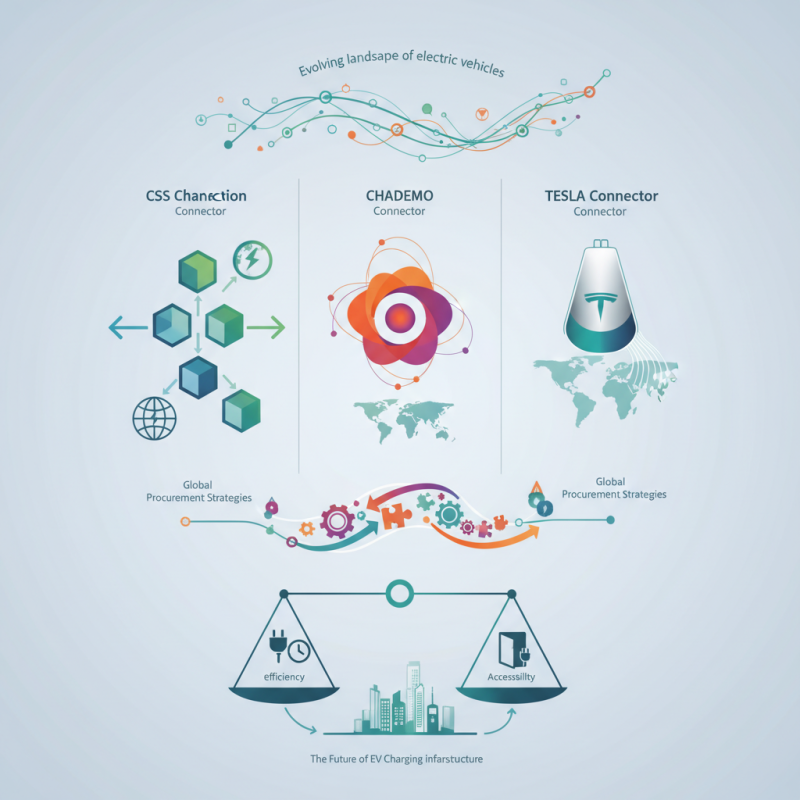
Global procurement strategies must consider various connector types, such as CCS, CHAdeMO, and Tesla connectors. Each has unique features and compatibility issues. Navigating these choices can be complex. Decisions may impact usability and growth in the EV sector. With a continuously growing number of electric vehicles, the seamless integration of diverse charging solutions is paramount.
Despite advancements, not all connectors are created equal. Some regions still face compatibility challenges. The lack of standardization often leads to confusion. Stakeholders must adapt to these realities. The choice of the right EV Charging Connector is not just a technical decision, but a crucial factor in market success. Balancing efficiency and accessibility will shape the future of EV charging infrastructure.
Overview of EV Charging Connector Types and Standards
Electric Vehicle (EV) charging connectors are vital for the global EV ecosystem. Various types of connectors exist, and each serves specific needs and regions. The Type 1 connector is common in North America. Its design is simple and user-friendly, making it a popular choice. In contrast, Type 2 is widespread in Europe. It supports faster charging and is preferred for public charging stations.
Understanding these standards is essential for effective procurement. The CCS (Combined Charging System) blends AC and DC charging capabilities. It allows for rapid charging, crucial for longer trips. Meanwhile, CHAdeMO prioritizes high-speed charging for certain models. This variety can lead to confusion. Some connectors may not be compatible with all EV models, affecting consumer choice.
Another challenge is the availability of charging infrastructure. Companies must consider regional standards when expanding their services. Different regions may adopt new technologies at different paces, complicating global strategies. This aspect can lead to purchasing delays or suboptimal inventory. Balancing compatibility and speed is crucial for sustainability in the EV sector.
Importance of Standardization in Global EV Connector Procurement
In the rapidly evolving electric vehicle (EV) landscape, the standardization of charging connectors is critical. Without a unified approach, the global market could face limitations in accessibility and compatibility. Many manufacturers produce different connector types, resulting in confusion for consumers and financial strain on procurement processes.
Standardization offers numerous advantages. It simplifies the supply chain and reduces costs. By adopting common standards, stakeholders can ensure interoperability. This leads to a more efficient infrastructure and higher user satisfaction. As countries strive for sustainability, a cohesive strategy in connector types will facilitate global EV growth.
Tips for procurement teams: prioritize working with experts in the field. Familiarize yourself with established standards and emerging technologies. Regular training for staff can enhance understanding. Ensure you keep an open line of communication with suppliers. This can help address potential discrepancies early on. Engage in industry forums to stay updated on best practices and challenges. Adapting to changes swiftly is vital for maintaining competitive edge in this market.
Best EV Charging Connector Types for Effective Global Procurement? - Importance of Standardization in Global EV Connector Procurement
| Connector Type | Region | Charging Speed (kW) | Standardization Status | Adoption Rate (%) |
| Type 1 | North America | 7.2 kW | Widely Adopted | 70% |
| Type 2 | Europe | 22 kW | Standardized | 85% |
| CHAdeMO | Japan | 50 kW | Limited Standardization | 55% |
| CCS | Global | 350 kW | Increasingly Standardized | 75% |
| GB/T | China | 7 kW | Standardized | 80% |
Comparison of Popular EV Connector Types Across Regions
When comparing EV charging connector types globally, various standards emerge. For instance, the Type 2 connector is widely accepted in Europe and is valued for its versatility. In contrast, North America predominantly uses the SAE J1772 standard. This disparity represents a challenge for effective global procurement.
Understanding regional compatibility is crucial. Different regions may have unique voltage settings and charging speeds, which can affect vehicle performance. This variability necessitates careful consideration when choosing connectors. A wrong choice may lead to inefficiencies or incompatibility.
Tips: Always check local standards before procurement. Engaging with regional experts can provide insights into best practices. Moreover, building flexibility into your supply chain may help accommodate different connector types as market needs evolve. Engaging with local installation services may also ensure the connectors are configured correctly, enhancing reliability.
Emerging Trends in EV Charging Technology and Connector Evolution
The evolution of EV charging technology is transforming global procurement strategies. With an anticipated CAGR of 25.3% from 2021 to 2028, the market for electric vehicle charging infrastructure is rapidly expanding. This growth reflects the increasing adoption of electric vehicles worldwide, prompting a reevaluation of connector types to optimize supply chains and ensure compatibility across different markets.
Recent studies indicate a significant trend towards standardization in connectors. The CCS (Combined Charging System) and CHAdeMO connectors currently dominate market shares. Meanwhile, Tesla's proprietary options remain prominent in North America. As regions aim for interoperability, understanding the nuances of these connectors is vital. This evolution signals a pressing need for thorough research, as well as partnerships among industry players. Challenges remain, particularly with varying levels of infrastructure development across countries. Some markets struggle with insufficient charging stations, impacting EV adoption rates.
Another emerging trend is the growth of wireless charging technologies, which may reshape the industry. However, this technology is still in its infancy and requires thorough testing. Initial findings show efficiency levels lagging behind traditional methods. Stakeholders must remain aware of these evolving technologies while planning their procurement strategies. Embracing innovation is crucial, yet there must be caution in implementation to avoid overpromising capabilities.
Best Practices for Sourcing EV Charging Connectors Globally
Finding the right EV charging connectors is crucial for effective global procurement. The variety of connector types can be overwhelming. Each region has its preferences based on local regulations, infrastructure, and vehicle types. Europe often favors the CCS Type 2 connector, while Japan predominantly uses CHAdeMO. In North America, both types have significant presence. Understanding these differences is key for successful sourcing.
When sourcing globally, consider establishing relationships with trusted suppliers. Research their production capabilities and certifications. Quality assurance is paramount, as inconsistent connector performance can lead to reliability issues. It’s also beneficial to stay updated on global standards and trends. This helps in identifying emerging technologies and connector types that may soon gain popularity. Overlooked aspects, like shipping logistics and customs regulations, can impact supply chain effectiveness too.
Engage in regular communication with suppliers to address any issues promptly. A responsive supply chain can adapt to changing market demands. Yet, procurement strategies require ongoing refinement. What works today may not be effective tomorrow. Flexibility and continuous evaluation are vital in navigating the evolving landscape of EV charging connectors.