Best Carbon Steel Pipe for Global Buyers in 2026?
As we look ahead to 2026, the demand for Carbon Steel Pipe is expected to rise significantly. Reports from the World Steel Association indicate that the global steel pipe market will grow by approximately 4.5% annually. Carbon Steel Pipe, known for its strength and versatility, is crucial in various industries, including construction and oil and gas.
However, the market is not without challenges. Prices of raw materials have fluctuated, impacting pipeline costs. Buyers must navigate these issues while considering factors like quality and supplier reliability. The 2022 analysis by the American Iron and Steel Institute highlights quality discrepancies, emphasizing the need for careful supplier selection.
In this evolving landscape, global buyers must stay informed. The competition is fierce, and not all suppliers meet industry standards. Reflecting on past experiences can guide buyers in making better choices. As the market matures, understanding the intricate details of Carbon Steel Pipe production will be vital for success.
Factors Influencing Carbon Steel Pipe Demand in 2026
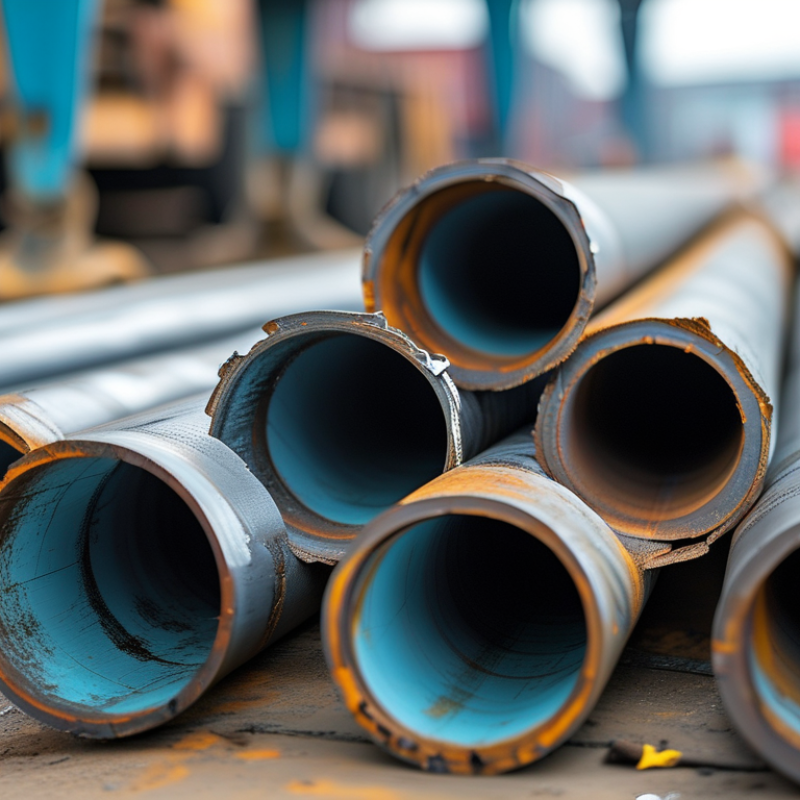
The demand for carbon steel pipes in 2026 will be influenced by several factors. Key aspects include industrial growth, infrastructure development, and technology advancements. As industries expand, the need for durable piping solutions increases. This trend is expected to drive carbon steel pipe sales.
Infrastructure projects worldwide remain pivotal. Governments are investing heavily in transportation and utilities. These projects require robust materials like carbon steel pipes. The materials must withstand harsh conditions. Buyers should consider the pipe's quality and specifications when purchasing.
Cost-effectiveness is essential. With fluctuating raw material prices, buyers need to be strategic. They should evaluate suppliers carefully. Price should not be the sole factor. Assess quality and performance alongside cost.
Research is crucial. Understanding market trends will help buyers make informed decisions. Stay updated on technological innovations and industry standards. Each decision impacts supply chains and future costs. Be mindful of these factors to ensure a successful procurement strategy.
Top Carbon Steel Pipe Suppliers and Market Share Analysis
The carbon steel pipe market is evolving rapidly. In 2026, global demand is expected to reach USD 150 billion. Key suppliers hold significant market shares, impacting pricing and availability. According to recent industry reports, China dominates with 40% of the global supply, followed by India and the USA. The demand for carbon steel pipes remains robust across construction, automotive, and energy sectors, fueling competition among manufacturers.
Tips: Stay informed about emerging suppliers. Regularly review market trends. This can give buyers a strategic edge. Manufacturers are constantly innovating. New production technologies improve pipe quality and lower costs. It’s crucial to evaluate these advancements.
While the market is competitive, challenges exist. Fluctuating raw material prices affect profit margins. Many suppliers struggle to maintain consistent quality. Buyers should conduct thorough assessments before making procurement decisions. Understanding supplier capabilities is vital. Regular audits can uncover inconsistencies and ensure reliability.
Best Carbon Steel Pipe for Global Buyers in 2026? - Top Carbon Steel Pipe Suppliers and Market Share Analysis
| Region | Market Share (%) | Annual Demand (Million Tons) | Average Price (USD/Ton) |
| North America | 25% | 10.5 | 800 |
| Europe | 30% | 9.8 | 850 |
| Asia-Pacific | 35% | 15.7 | 750 |
| Latin America | 5% | 2.2 | 900 |
| Middle East & Africa | 5% | 3.1 | 820 |
Quality Standards and Specifications for Carbon Steel Pipes
When considering the quality standards for carbon steel pipes in 2026, several factors come into play. The American Society for Testing and Materials (ASTM) and the International Organization for Standardization (ISO) offer crucial guidelines. These standards ensure that pipes meet specific mechanical and chemical properties, which are vital for various applications. Attention to detail in production processes impacts the final product's reliability and performance.
Carbon steel pipes vary significantly in specifications. Factors like wall thickness, tensile strength, and corrosion resistance are pivotal. Selecting the right standard involves a close examination of these attributes. For instance, a pipe intended for high-pressure systems requires stringent testing for durability. Sometimes, producers may overlook quality control, introducing variability. This can lead to project delays or failures, emphasizing the need for thorough inspections.
Adherence to these specifications not only guarantees safety but also promotes efficiency in operations. Global buyers should remain informed about evolving standards. Regular audits and certifications can enhance the credibility of manufacturers. Importantly, continuous dialogue between producers and consumers addresses potential gaps in quality. Understanding these complexities helps in making informed purchasing decisions.
Projected Price Trends for Carbon Steel Pipes in 2026
As the global market anticipates a surge in demand for carbon steel pipes in 2026, understanding price trends is critical for buyers. Historically, these prices have been influenced by several factors, including production costs, raw material availability, and geopolitical dynamics. In 2026, it is projected that demand will outpace supply due to increased infrastructure projects and energy sector investments.
Buyers should be aware of fluctuations influenced by material prices. For instance, steel scrap costs could rise significantly due to newly implemented environmental regulations. This shift might result in higher carbon steel pipe prices. Additionally, global shipping and logistics challenges persist, potentially driving costs further. Buyers need to remain agile and proactive in their purchasing strategies to mitigate these impacts.
Speculative forecasts suggest a price increase of 10% to 15% for carbon steel pipes by mid-2026. However, unforeseen events, such as trade disputes or natural disasters, could disrupt this trend. Buyers must prepare for these uncertainties and reevaluate their sourcing tactics continuously. Engaging with suppliers and monitoring market conditions will be essential to navigate this volatile landscape effectively.
Applications of Carbon Steel Pipes Across Various Industries
Carbon steel pipes have become essential in various industries due to their strength and durability. They are widely used in construction, oil and gas, and water supply. These pipes can withstand high pressure and temperature. Moreover, their resistance to corrosion makes them suitable for harsh environments.
In the construction industry, carbon steel pipes are commonly used for structural support. They provide reliability for frameworks and connections. The oil and gas industry relies on these pipes for transporting crude oil and natural gas. Their ability to handle extreme conditions is crucial for safe operations. In water supply systems, carbon steel pipes ensure clean and safe transportation of drinking water.
Consider using welded or seamless options based on your needs. Welded pipes are less expensive, while seamless pipes offer superior strength. Always assess the application before making a choice. Inspect the pipes regularly for any signs of wear or damage. This can prevent costly repairs and ensure safety in operations.