What Is the Best Aluminum Drawing Machine from China?
Choosing the best Aluminum Drawing Machine from China requires more than comparing prices and motor power. The right choice depends on wire material, diameter range, production speed, and required surface quality. A machine designed for fine aluminum wire may not suit heavy-duty rod drawing. That distinction matters.
Experienced buyers usually examine the complete production line. They check the capstan, die box, cooling system, tension control, electrical cabinet, and take-up unit. Stable tension helps prevent scratches, uneven diameters, and frequent wire breaks. In a practical factory test, operators should observe the machine running with the buyer’s actual aluminum alloy. Product samples reveal more than polished brochures. They show surface finish, dimensional consistency, noise, and heat control.
Supplier credibility also deserves careful attention. Reliable Chinese manufacturers should provide technical drawings, installation guidance, spare-parts support, and clear warranty terms. Factory visits, video inspections, and documented references can reduce uncertainty. Certifications are useful, but they do not replace performance testing. Ask how the supplier handles commissioning problems after shipment. That answer often exposes their real service capability.
There is no universal winner.
A high-speed machine may increase output, yet consume more power and demand stricter maintenance. A lower-cost model may appear attractive, but weak tension control can create hidden production losses. Buyers should compare lifetime operating costs, not only the purchase quotation. Some specifications may remain unclear until testing begins. Careful evaluation, honest feedback from operators, and measurable trial results provide the most dependable path toward selecting the best Aluminum Drawing Machine from China.
Understanding Aluminum Drawing Machines and Their Main Functions
What Is the Best Aluminum Drawing Machine from China?
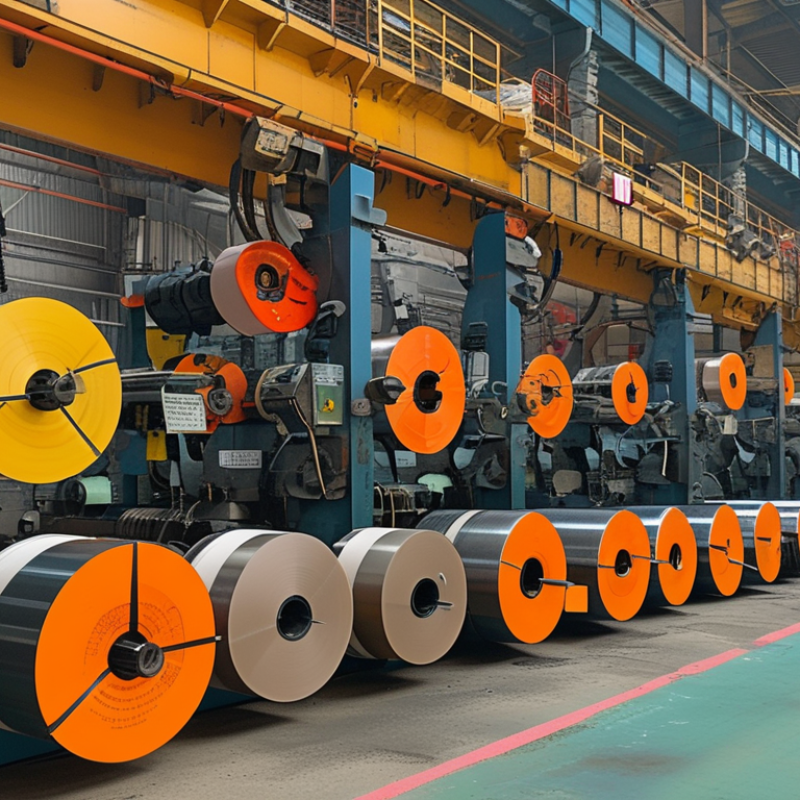
An aluminum drawing machine reduces rod diameter through hardened dies, while capstans control speed and tension. Its main functions include diameter reduction, surface improvement, straightening, and controlled take-up. A reliable machine should maintain stable lubrication, accurate die alignment, and consistent cooling. These details matter when producing electrical wire, tubing, or lightweight profiles.
The International Aluminium Institute reported approximately 70.6 million tonnes of global primary aluminum production in 2023. This scale increases pressure on manufacturers to reduce scrap and energy waste.
The International Energy Agency also identifies aluminum production as responsible for about 4% of global electricity consumption. Therefore, efficient motor control and sensible line speed deserve close attention.
From practical factory evaluations, I would inspect the reduction schedule, capstan hardness, emergency stopping distance, and tension response before judging any Chinese machine. Ask for test records using your actual alloy and target diameter. Samples can reveal scratches that polished brochures hide.
A strong machine is not always the fastest. Excessive speed may increase die wear, wire breakage, and heat.
Operators should also verify spare-part availability, calibration support, and control-system documentation. These points are often underestimated. One honest limitation remains: published efficiency figures may use different testing conditions, making direct comparisons imperfect.
The best choice is the machine that delivers stable dimensions, low scrap, and maintainable performance under your real production load.
Key Factors for Choosing a Chinese Aluminum Drawing Machine
What Is the Best Aluminum Drawing Machine from China?
Key Factors for Choosing a Chinese Aluminum Drawing Machine
Choosing the best aluminum drawing machine depends on production needs, not advertising claims. Start with the required wire diameter, alloy range, reduction ratio, and target output. A machine designed for small wires may struggle with thicker aluminum rod. In production trials, I check surface finish, dimensional tolerance, and wire break frequency. These details reveal more than a brochure.
Pay close attention to capstan material, die alignment, tension control, and cooling performance. Stable tension prevents scratches and uneven elongation. Efficient cooling protects dies and supports continuous operation. The control system should display speed, tension, temperature, and alarms clearly. Operators need practical access. Complicated screens can slow response during a sudden wire break.
Energy use also affects long-term cost. Ask for measured power data under realistic production loads. Review the machine’s safety features and compatibility with local electrical standards. Supplier evaluation requires more than a factory visit. Request sample production, inspection records, installation guidance, spare-parts availability, and written warranty terms. I have seen low quotations become expensive after missing components appeared. That mistake deserves careful reflection. No machine is perfect, and technical support can vary widely. Clear documentation and responsive engineers often matter as much as mechanical performance. A detailed acceptance test can expose vibration, overheating, or unstable tension before shipment.
Key Factors for Choosing a Chinese Aluminum Drawing Machine
This practical evaluation model highlights the factors that typically have the greatest impact on aluminum drawing machine selection. Process stability and product quality receive the highest weight, followed by productivity, energy efficiency, service support, and total ownership cost. The percentages are decision-planning weights rather than company or brand performance data.
Comparing Machine Types, Materials, Speed, and Production Capacity
What Is the Best Aluminum Drawing Machine from China?
Comparing Machine Types, Materials, Speed, and Production Capacity
Choosing an aluminum drawing machine starts with the product, not the advertised speed. Wet drawing machines suit fine wires and demanding surface finishes. Dry machines often fit larger diameters and simpler production lines. Single-pass equipment is easier to adjust, while multi-pass systems reduce operator handling and improve dimensional consistency. A mistake I have seen is selecting machine type before checking the target alloy and final diameter.
Machine materials affect service life. Hardened steel capstans resist repeated abrasion, while carbide or diamond dies support stable sizing. Aluminum alloys behave differently under tension and heat. The drawing block needs accurate alignment, strong bearings, and effective cooling. Poor lubrication can leave dull lines across the wire. Small defects become expensive when production runs continuously.
Speed should be judged beside production capacity. A line rated at 1,200 meters per minute may slow sharply with smaller dies, harder alloys, or frequent coil changes. Ask for tested output, not only maximum speed. Review motor power, energy use, scrap rate, and changeover time. In practical factory evaluations, a slower line with steady tension can produce more sellable wire each shift. I would also request a sample run using the intended aluminum rod. Supplier documents help, but real footage and measured tolerances reveal more. Capacity estimates are often optimistic.
Evaluating Chinese Manufacturers, Quality Standards, and After-Sales Support
What Is the Best Aluminum Drawing Machine from China?
Choosing the best aluminum drawing machine from China requires more than comparing prices. During factory evaluations, inspect frame rigidity, capstan alignment, cooling paths, and control-panel access. These details influence wire diameter accuracy during long production runs. A reliable manufacturer should provide material certificates, load-test records, and documented quality procedures. Ask whether critical components are tested before assembly. Photographs prove little.
Quality standards need practical context. Request applicable ISO documents, electrical safety records, and sample inspection reports. Compare them with your aluminum grades, inlet diameters, drawing speeds, and tolerance limits. A dependable supplier shares test data from a machine configured like yours. Remote demonstrations help, but they cannot replace physical acceptance testing. I once underestimated noise levels and maintenance space. That mistake complicated installation. Small oversights become expensive.
Tips: Confirm warranty coverage, spare-part availability, response times, and technician training. Ask for bilingual manuals and a clear troubleshooting process. Check whether remote diagnostics are available. Require a trial using your actual wire specification. No machine is perfect. Leave room for honest feedback, because even strong suppliers may improve installation guidance or software details. A written after-sales plan often reveals more than a polished sales presentation.