





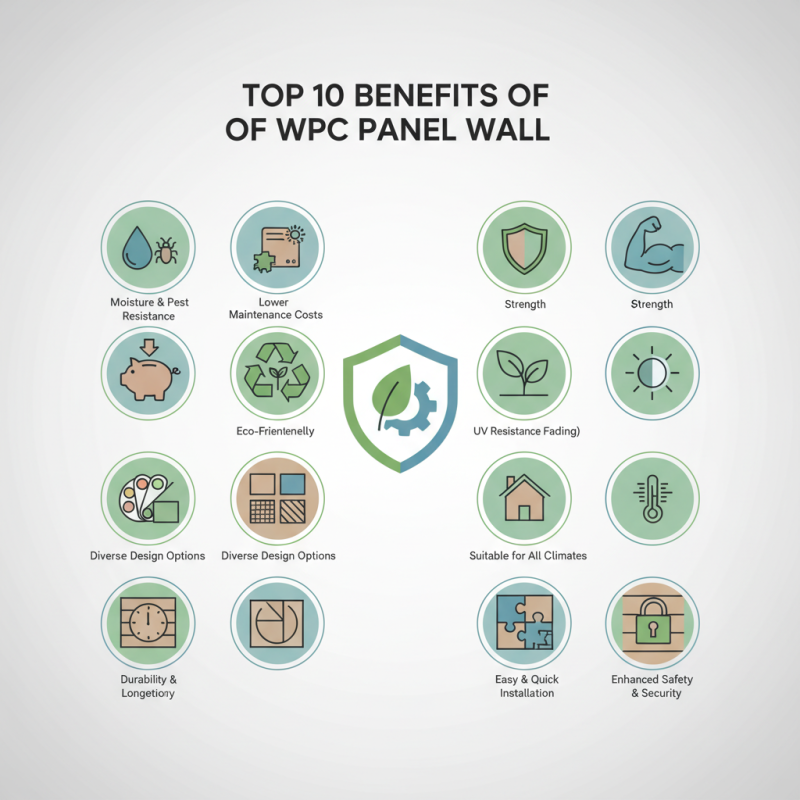
Wpc Panel Wall has become an increasingly popular choice among global buyers looking for durability and aesthetics in construction. This innovative material combines wood and plastic, resulting in a versatile and resilient solution for both interior and exterior applications. As consumers seek reliable materials, the appeal of WPC Panel Wall continues to grow, driving interest in its benefits.
One key advantage is its resistance to moisture and pests, making it ideal for a variety of climates. This resilience can lead to lower maintenance costs, an important consideration for buyers. Another point to note is its eco-friendliness; WPC is often made from recycled materials, aligning with sustainability goals. However, the initial cost can deter some buyers, prompting a deeper evaluation of long-term value.
Diverse design options also enhance the appeal of WPC Panel Wall. Buyers can choose from various colors and textures, allowing for customization. While it’s crucial to weigh these benefits, understanding potential limitations is equally important. Buyers should consider longevity, potential fading, and the need for proper installation to ensure the best results. The decision to invest in WPC Panel Wall deserves careful thought, but the advantages can be significant.
WPC panel walls are gaining popularity worldwide. These panels combine wood fibers and plastic materials. This blend makes them strong and durable. They are also resistant to moisture, insects, and decay. Therefore, they can last longer than traditional materials.
When considering WPC panels for your projects, think about the installation process. Some panels are easy to install, which can save time and labor costs. However, some types require special tools. It’s crucial to understand what you need before starting your project.
Tips: Always measure your space carefully. This helps in minimizing waste and ensuring a proper fit. Check the panel specifications for weight and installation details. This information is vital for safe and successful assembly. Also, if you're uncertain about your choice, consult a professional or do thorough research. Choosing the right materials impacts the overall quality of your project significantly.
WPC panels, made from a mixture of wood fibers and plastic, offer impressive durability. They resist warping, cracking, and fading. This durability makes them ideal for various applications, including residential and commercial settings. Their ability to withstand harsh weather conditions is a significant advantage. Many users find that WPC panels can last for years without losing their appeal.
Investing in WPC panels means fewer maintenance costs. They do not require regular painting or sealing. This ease of care saves time and effort. Some may find initial prices higher than traditional materials. However, the longevity often outweighs short-term expenses. Over time, these panels can actually prove more economical.
Moreover, WPC panels contribute to sustainability efforts. They are often made from recycled materials. This eco-friendly aspect appeals to many buyers today. While not perfect, the reduced environmental impact is worth considering. A reflection on choices is vital, as more durable materials may lead to longer-lasting solutions in the future.
WPC, or Wood Plastic Composite, is gaining attention for its environmental benefits. The blend of wood fibers and plastic allows for a sustainable alternative to traditional building materials. Many buyers are drawn to WPC panels because they contribute to reducing deforestation. By using recycled materials, WPC helps minimize waste.
Sustainability is a crucial factor for modern consumers. WPC panels do not require harmful chemicals in their production, thus lowering carbon emissions. They are resistant to moisture and pests, which means they last longer than conventional wood products. When WPC panels do reach the end of their lifespan, they are recyclable. This feature ensures that they leave a smaller ecological footprint.
While WPC materials offer several benefits, they are not without flaws. Some critics argue that the production process still has environmental impacts. Sourcing wood fibers responsibly can be challenging. Additionally, the durability of WPC can vary based on quality. It is essential for buyers to research and ensure they choose products that meet sustainability criteria. Making informed choices can lead to better environmental outcomes.
| Benefit | Description | Environmental Impact | Sustainability Rating |
|---|---|---|---|
| Durability | WPC panels resist rot, decay, and insects. | Reduces waste due to longer lifespan. | ⭐⭐⭐⭐⭐ |
| Recyclability | WPC materials can be recycled into new products. | Promotes circular economy. | ⭐⭐⭐⭐⭐ |
| Low Carbon Footprint | Lower emissions during manufacturing compared to wood. | Contributes to climate change mitigation. | ⭐⭐⭐⭐ |
| Energy Efficiency | Insulating properties reduce energy consumption. | Decreases overall energy use in buildings. | ⭐⭐⭐⭐ |
| Minimum Chemical Use | Manufactured with fewer harmful chemicals than traditional materials. | Safer for the environment and human health. | ⭐⭐⭐⭐⭐ |
| Natural Aesthetic | Offers a wood-like appearance without deforestation. | Preserves natural resources. | ⭐⭐⭐⭐ |
| Water Resistance | Resistant to water damage and humidity. | Reduces need for additional protective coatings. | ⭐⭐⭐⭐ |
| Cost-Effective | Long-term savings due to reduced maintenance. | Encourages sustainable budgeting for projects. | ⭐⭐⭐⭐ |
| Diverse Applications | Versatile for both interior and exterior uses. | Maximizes resource efficiency across sectors. | ⭐⭐⭐⭐⭐ |
| Customizability | Easily customizable designs available. | Encourages innovative ecological designs. | ⭐⭐⭐⭐ |
When considering wall paneling, cost-effectiveness stands out as a crucial factor. WPC (Wood Plastic Composite) panels often provide a significant advantage over traditional materials like wood or gypsum. According to a recent industry report, WPC panels can reduce material costs by up to 30%. This savings comes from both lower purchase prices and reduced maintenance expenses over time, as WPC is resistant to rot and pests.
WPC panels also deliver lower installation costs. Many reports highlight that labor expenses can be 20% less with WPC due to its lighter weight and simpler handling. For global buyers, this means shorter project timelines and reduced workforce costs. Additionally, the longevity of WPC panels—typically 30 years or more—means fewer replacements are needed, providing long-term savings.
However, it’s essential to weigh these benefits against potential downsides. Some buyers have noted that WPC panels may not always replicate the aesthetic appeal of natural wood. This gap can lead to future replacement considerations if the visual aspect is a priority. These reflections are important in making informed decisions. Overall, while WPC panels are a promising option, each buyer must carefully assess their specific needs and values in the context of cost versus aesthetic appeal.
WPC panel walls offer striking aesthetic versatility for modern spaces. With a range of colors, patterns, and textures, they cater to various design preferences. You can choose wood-like finishes for a classic look or vibrant hues for a contemporary feel. This flexibility allows designers to create unique environments, ensuring all projects stand out.
Many find joy in mixing WPC panels with other materials. For instance, pairing them with glass or metal can elevate any interior design. However, some may struggle to find the right combinations. It requires careful consideration of harmony and balance. Even small changes can drastically alter a room's atmosphere.
The durability of WPC panels is noteworthy. They resist moisture and pests, making them suitable for various climates. Yet, without proper maintenance, they may lose their appeal over time. Choosing the right finish is crucial. A matte finish can offer a rustic charm, while a glossy one can appear sleek and modern. Selecting the right option can be daunting but is essential for achieving desired results.
Hein Minnie
Cell nr: +27 (0) 82 564 6501
Email: sale@thecirclemachine.com
Hein Minnie Jnr
Cell nr: +27 (0) 84 284 7234
Email: sale@thecirclemachine.com
Address:
10 Apsey Street,
Heidelberg,
Gauteng,
1441
Bendet Engineering Services (PTY) LTD was established in 1987. Our team of engineers and draughtsman are ready to deliver a complete turnkey solution, from the design phase to commissioning. A dedicated team that consists of electrical, mechanical and industrial engineers, we are able to offer a comprehensive service to our clients.