




What Are the Benefits of Layered Conveyor Belts for Industries?

Layered Conveyor Belts play a crucial role in various industries, enhancing efficiency and productivity. These belts consist of multiple materials bonded together, offering unique advantages over traditional options. Industries such as manufacturing, food processing, and logistics benefit significantly from this innovative technology.

One major advantage of Layered Conveyor Belts is their durability. They can withstand heavy loads and harsh working conditions. This resilience reduces the frequency of replacements, saving time and money for businesses. Moreover, they provide superior grip, minimizing the risk of slippage during operation.

In addition to strength, these belts offer versatility. They can be customized for specific applications, such as temperature resistance or chemical compatibility. However, the initial investment may raise concerns. Companies must weigh long-term benefits against short-term costs. Despite this, many industries find the trade-off worthwhile. Layered Conveyor Belts not only improve operational efficiency but also enhance safety, making them a valuable asset in modern production environments.
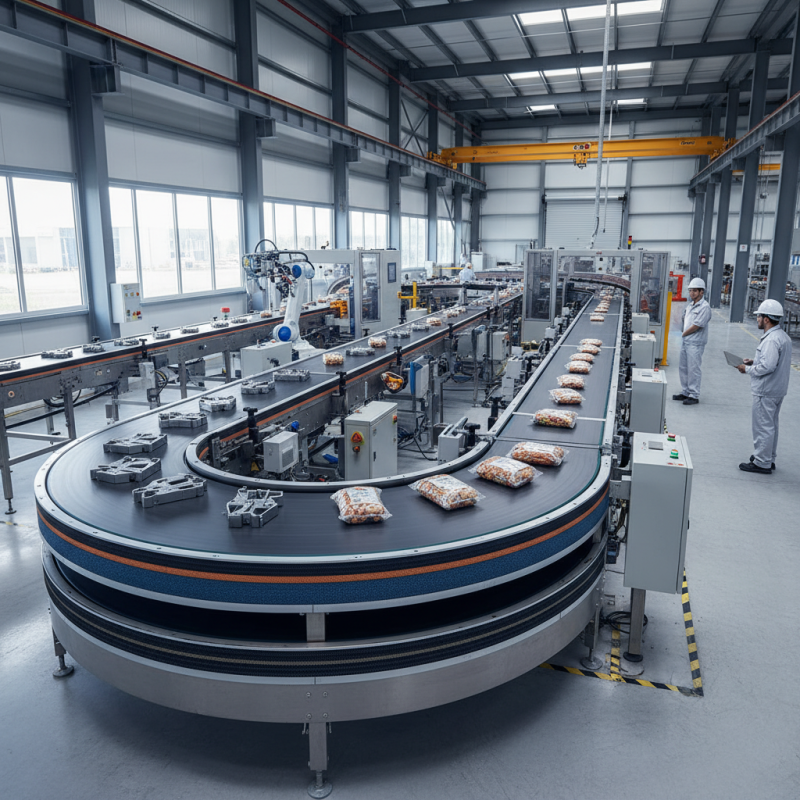
What Are the Benefits of Layered Conveyor Belts for Industries?

Benefits of Layered Conveyor Belts in Industrial Operations

Layered conveyor belts play a crucial role in enhancing industrial operations. Their design allows for the effective transport of various materials. These belts can withstand heavy loads, making them ideal for demanding environments. They are engineered to reduce wear and tear, which can significantly lower maintenance costs. Many industries benefit from their durability and efficiency.

Moreover, layered conveyor belts improve safety in the workplace. Their structure prevents slippage, reducing accidents during material handling. This is especially true in factories where speed is essential. Workers benefit from increased reliability, allowing them to focus on their tasks. Enhanced productivity is another noteworthy advantage.

While layered conveyor belts are advantageous, they require careful selection based on specific needs. Not every belt suits every application. Some companies may find certain variations underperforming in their settings. Regular assessments of performance can help identify areas needing improvement. A reflective approach ensures that the chosen conveyor system truly meets operational demands.

Increased Efficiency and Productivity with Layered Conveyor Systems

Layered conveyor belts have become essential in enhancing operational efficiency across various industrial sectors. These systems facilitate smoother material flow, reducing the frequency of jams and breakdowns. Studies indicate that industries using layered conveyor systems experience up to a 25% increase in productivity. This improvement stems from the ability of layered belts to handle different materials simultaneously, optimizing production lines.

The design of layered conveyor belts allows for better weight distribution, which minimizes wear and tear. This leads to a significant reduction in maintenance costs. A recent report noted that companies could save up to 30% on maintenance by switching to layered systems. Additionally, these belts can be customized for specific tasks, allowing flexibility for various product types, which can be crucial for adapting to changing market demands.

Tips: Regularly monitor the performance of your conveyor systems. Maintenance checks can catch issues before they escalate. Consider conducting staff training to ensure all employees understand how to optimize belt usage. Encourage feedback from your teams. They might see inefficiencies that data alone won't reveal. This approach promotes a culture of continuous improvement.

Benefits of Layered Conveyor Belts for Industries

Cost-Effectiveness of Layered Conveyor Belts in Manufacturing Industries

Layered conveyor belts play a crucial role in the manufacturing process. They increase efficiency and reduce operational costs. These belts are designed to handle different materials simultaneously. Their construction allows for weight distribution and less wear. This can significantly extend the lifespan of the machinery.

Cost-effectiveness is a major advantage. Manufacturing industries can save on repairs and replacements. Layered belts often require less maintenance compared to traditional belts. This brings down long-term operational expenses. Moreover, the versatility of materials used in layered belts can accommodate various production needs, reducing the need for multiple types of belts.

Despite their benefits, they can be initially expensive to install. Industries must weigh the upfront costs against potential savings. Some may find it challenging to integrate layered belts into existing systems. A careful assessment of current operations and future needs is essential for optimal implementation. While the potential for savings is clear, achieving efficient usage requires thoughtful planning and execution.

Enhanced Durability and Longevity of Layered Conveyor Belts

Layered conveyor belts offer a remarkable solution for various industries, particularly in enhancing durability and longevity. According to industry analysis from the Conveyor Equipment Manufacturers Association (CEMA), enhanced durability is attributed to the use of multiple material layers. This allows the belts to withstand extreme conditions, reducing wear and tear. Reports show that industries can achieve a lifespan increase of up to 40% with layered belts compared to traditional single-layer options.

Moreover, the impact of layered construction on maintenance costs cannot be overstated. A study published in the Journal of Manufacturing Science and Engineering reveals that companies save approximately 30% on maintenance expenses over a decade. The modularity of these belts allows for easier repairs and replacements. This can be particularly beneficial for operations that face heavy loads or abrasive materials. However, it’s essential to evaluate operational conditions carefully. Not all layered belts perform similarly, and using the wrong configuration may lead to inefficiencies.

Another significant aspect is the flexibility offered by layered conveyor belts. They can be customized according to specific industry needs. This adaptability can improve performance in unique settings, like food processing or mining operations. Yet, challenges remain, such as sourcing the highest quality materials. Not every manufacturer meets the rigorous standards required for optimal durability. This makes it crucial for businesses to conduct thorough research when selecting suppliers.

Improved Safety and Reduced Maintenance for Industrial Conveyor Systems

Layered conveyor belts are transforming industrial operations by enhancing safety and minimizing maintenance efforts. These belts feature multiple layers that provide additional support and durability. The robust design reduces the risk of accidents. Workers can operate machinery with greater confidence, knowing the system is less likely to fail. Improved grip on these belts also decreases the likelihood of items slipping and causing injuries.

Maintenance tasks are notably reduced with layered conveyor systems. These belts have a longer lifespan, which means fewer replacements are necessary. Regular checks and adjustments still occur, but the frequency is significantly lower. A reduction in downtime allows for continuous workflow. However, companies still face challenges in selecting the right materials and configurations. The complexity can sometimes lead to confusion and misalignment during installation. A thoughtful approach is essential for maximizing the benefits of these systems.

What Are the Benefits of Layered Conveyor Belts for Industries?

Benefit Description Impact on Safety Maintenance Frequency
Improved Durability Layered belts are more resistant to wear, reducing the frequency of replacements. Lower risk of belt failure during operation. Reduced from quarterly to annual inspections.
Enhanced Grip Multiple layers provide better friction against loads, preventing slippage. Minimized chances of products falling off during transport. Allows for longer intervals between readjustments.
Easier Cleaning Smooth surface allows for easy removal of debris and contaminants. Maintaining hygiene reduces workplace accidents. Cleaning intervals can be extended from weekly to biweekly.
Noise Reduction Layered designs help dampen sounds caused by operation. Creates a safer and more comfortable working environment. Less frequent need for noise level monitoring.
Customizable Designs Belts can be tailored to specific industry needs for better performance. Improves operational safety by tailoring features to risk levels. Maintenance tasks can be specialized and simplified.
Open chat
Scan the code
Bendet Sales Assistant
Hi There👋,
Thank you for visiting our website, How can I help you?