What are the Benefits of Cosmetic Airless Pumps?
In recent years, Cosmetic Airless Pumps have gained attention in the beauty industry. These innovative packaging solutions provide numerous benefits for both consumers and manufacturers. By preventing product contamination, they ensure the integrity of formulations. This leads to a longer shelf life, which is essential for skincare products.
Cosmetic airless pumps utilize a unique design that eliminates air exposure. This helps preserve active ingredients, maximizing their effectiveness. Users appreciate how these pumps dispense products without waste, allowing for precise application. This not only improves user experience but also aligns with a growing demand for sustainability in packaging.
However, it’s important to recognize that not all airless pumps are created equal. Some can be more expensive and complex to produce. Brands must balance quality and cost without sacrificing user experience. Despite these challenges, the advantages of cosmetic airless pumps make them a valuable choice for enhancing beauty products. As consumer awareness grows, these pumps may become the standard in beauty packaging.
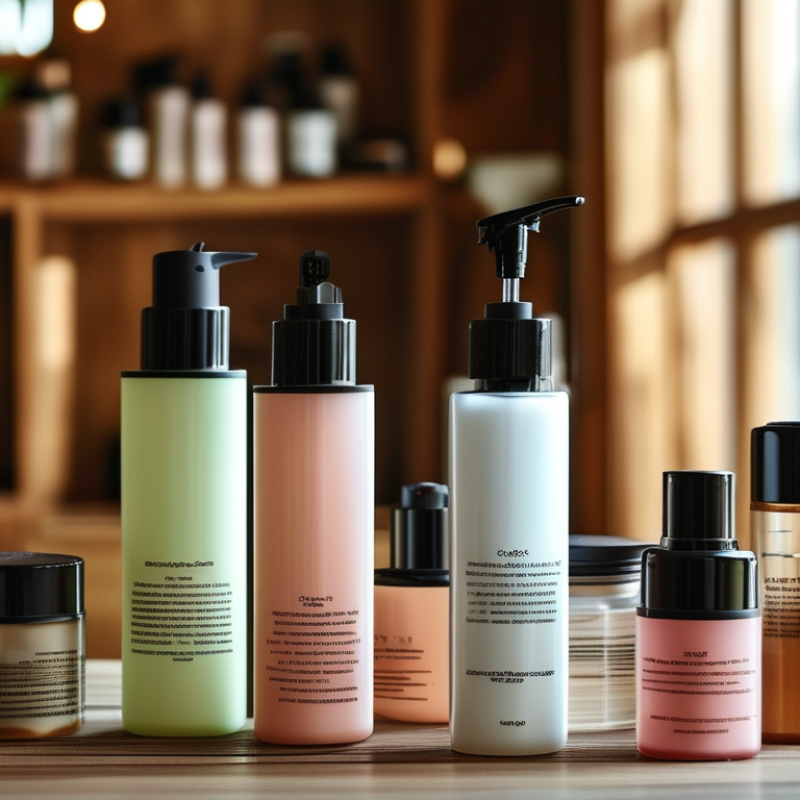
Understanding Cosmetic Airless Pumps: An Overview
Cosmetic airless pumps have gained popularity in the beauty industry. They prevent air exposure, which affects product stability. A report by Packaging Strategies indicates that airless packaging can extend the shelf life of sensitive formulas by 15-20%. This is crucial for products containing active ingredients like antioxidants.
These pumps also minimize contamination. Unlike traditional jars, consumers do not dip their fingers into the product. The design often uses a vacuum mechanism, ensuring that every drop can be dispensed without leaving any behind. This can reduce waste, addressing sustainability concerns in cosmetics. However, some users report difficulty in dispensing the last remnants of the product. This can frustrate consumers who seek value and efficiency.
Moreover, airless pumps offer aesthetic advantages. They often feature sleek designs, appealing to modern consumers. A study by the Cosmetic Industry Association highlights that packaging design influences 70% of consumer purchasing decisions. While airless pumps are effective, they can be more costly to produce. This raises concerns about whether brands will pass these costs onto consumers. The balance between quality and affordability remains an ongoing conversation in the industry.
The Mechanism Behind Airless Pump Technology in Cosmetics
Airless pump technology has transformed the cosmetic industry. It protects the formula inside by limiting exposure to air and external contaminants. Traditional packaging can introduce air, diminishing the product's effectiveness. With airless pumps, every application is clean and fresh.
The mechanism is quite interesting. When you press down, a vacuum is created, drawing up the product. This ensures only the desired amount is dispensed without introducing air. The absence of a straw mechanism means less waste. Consumers appreciate using only what they need.
Tips: Always store airless pumps upright. This protects the vacuum seal. Check for any product residue at the nozzle. Any buildup can affect performance. Keep in mind, a slight inconsistency in dispensing can occur. This is normal, so don’t be alarmed.
Advantages of Airless Pumps for Product Preservation and Longevity
Cosmetic airless pumps offer significant advantages for product preservation. Traditional packaging often exposes products to air and contaminants. This exposure can degrade ingredients. Studies show that airless systems can extend the shelf life of cosmetic formulations by up to 15%. This means better performance for consumers.
Airless technology minimizes oxidation. Many active ingredients, like vitamins, lose potency when exposed to air. A reputable report highlighted that up to 70% of certain skincare ingredients are rendered ineffective within months due to improper packaging. With airless pumps, manufacturers can better preserve these crucial components, ensuring consumers receive the full benefits.
Additionally, airless pumps provide a more hygienic solution. Users can dispense products without touching them, reducing the risk of contamination. This is essential in skin care where bacteria can compromise safety. However, some consumers may find it challenging to get the last few drops of product. Awareness of this limitation is important for users and brands alike.
Enhancing User Experience with Airless Pump Dispensers
Airless pump dispensers are becoming favorites among users. They enhance the overall experience of applying cosmetic products. These pumps are designed to maintain the integrity of formulas while providing fresh doses each time. The lack of air contact helps keep products stable, reducing oxidation. Imagine a skincare cream that feels fresh, every pump, every day.
When using airless pumps, here’s a tip: press slowly for the perfect amount of product. This control helps avoid unnecessary waste. Many users find that products last longer because of this efficient dispensing method. Also, ensure your pump is clean. A dirty nozzle can lead to contamination.
The design of airless pumps is sleek and modern. They often come in attractive packaging, appealing to aesthetic sensibilities. However, it’s important to note that not all airless pumps are created equal. Some may still experience issues with function over time. Regularly check for clogs. You might need to troubleshoot problems that arise. User experience can improve with a bit of attention to maintenance.
What are the Benefits of Cosmetic Airless Pumps? - Enhancing User Experience with Airless Pump Dispensers
| Benefit | Description | User Impact |
| Pump Mechanism | Prevents air exposure to the product, maintaining its integrity. | Increases product shelf life for users, ensuring freshness. |
| Consistency of Dispensing | Delivers a precise amount of product with each pump. | Enhances user experience by providing consistent application. |
| Hygiene | Reduces contamination risk due to minimal product exposure. | Gives users peace of mind regarding skin safety. |
| Eco-Friendly | Often designed for better recycling and reduced waste. | Appeals to environmentally conscious consumers. |
| User-Friendly | Ease of use with just one hand needed for dispensing. | Improves the overall usability, especially for those with limited dexterity. |
Environmental Impact and Sustainability of Airless Pump Design
The environmental impact of cosmetic packaging is significant. Traditional containers often contribute to landfill waste and pollution. In contrast, airless pumps offer a more sustainable choice. These pumps minimize air exposure, which helps preserve product integrity and reduces the need for preservatives.
Airless pump designs can potentially use less material than traditional packaging. This promotes reduced plastic waste in the beauty industry. However, the manufacturing process for airless pumps is often resource-intensive.
It raises questions about the overall sustainability of these products. Balancing the benefits of reduced waste with the environmental costs of production remains crucial.
Another consideration is the recyclability of airless pumps. Not all components are biodegradable or easily recyclable. This can lead to lingering waste in ecosystems. As consumers become more eco-conscious, the demand for transparent information on packaging will grow. Brands must strive for clarity and take responsibility for their products' life cycle. Understanding these complexities can help shape a more sustainable future in cosmetics.