






2026 Top Stainless Steel Butterfly Valve Trends and Insights?

The market for Stainless Steel Butterfly Valves is rapidly evolving. In 2026, several trends are shaping its landscape. These valves are critical for various industries, including oil and gas, water treatment, and food processing. Their durability and resistance to corrosion make them a preferred choice.

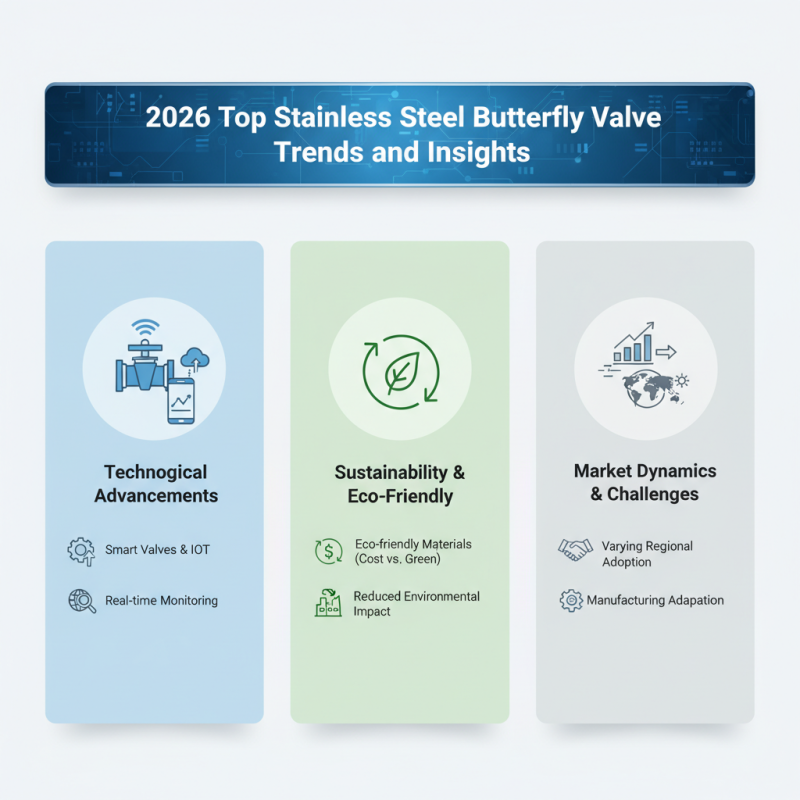
New technologies are enhancing the performance of Stainless Steel Butterfly Valves. Smart valves equipped with IoT capabilities are becoming popular. They offer real-time monitoring, leading to improved efficiency. However, adoption rates can vary significantly across regions. Some manufacturers struggle to keep pace with technological advancements.

Consumer preferences are also shifting toward eco-friendly options. Sustainability is becoming a key consideration during purchasing decisions. Yet, many companies face challenges in sourcing environmentally friendly materials. This creates a dilemma between cost and sustainability in the valve industry. As we examine these trends, it’s essential to consider the intricacies involved for a better understanding.
2026 Top Stainless Steel Butterfly Valve Trends and Insights?

2026 Overview of Stainless Steel Butterfly Valve Market Trends

The stainless steel butterfly valve market is evolving rapidly in 2026. Factors like sustainability and efficiency drive the latest trends. More industries are recognizing the importance of durable materials. Stainless steel butterfly valves offer excellent resistance to corrosion and wear. This durability enhances their lifespan and reduces maintenance costs.

As companies seek to optimize operations, innovations in valve design are emerging. New technologies, such as remote monitoring, are becoming prevalent. They enable real-time performance tracking, leading to smarter decision-making. However, some manufacturers struggle to keep up with these advancements. This can result in outdated products that may not meet current standards.

Tip: When selecting a valve, consider the specific application and environment. An informed choice can prevent costly failures. It’s also essential to stay updated on regulatory changes. These could impact the types of valves that are approved for use. Keeping an eye on market trends and innovations will ensure the best performance and reliability in the long run.

2026 Overview of Stainless Steel Butterfly Valve Market Trends

Key Dimension 2024 Estimate 2025 Estimate 2026 Forecast
Market Size (USD Million) 1,200 1,350 1,500
Annual Growth Rate (%) 10% 12% 11%
Major Application Sectors Water Supply, Oil & Gas Water Supply, Chemical Processing Water Supply, Power Generation
Regional Market Share (%) North America: 30% Europe: 25% Asia-Pacific: 35%
Emerging Trends Smart Valves Eco-Friendly Designs Automation & IoT Integration

Key Features Driving Demand for Stainless Steel Butterfly Valves

Stainless steel butterfly valves are gaining traction in various industries. Their durability is a significant feature driving demand. The construction material ensures resistance to corrosion. This makes them suitable for harsh environments. They can maintain performance over time and reduce replacement costs.

Another key feature is their efficient flow control. These valves can operate smoothly, reducing turbulence and pressure loss. This efficiency leads to energy savings, crucial for many industries. Additionally, they offer quick responsiveness for automated systems. Operators appreciate how easy they are to integrate with existing infrastructures.

Tips: When selecting a butterfly valve, consider your specific application. Pay attention to the size and pressure ratings. It's essential to account for potential fluid type and temperature ranges. Regular maintenance also helps in prolonging the lifespan of the valves. Don't overlook the importance of choosing reliable suppliers. Quality matters.

Emerging Technologies in Butterfly Valve Design and Manufacturing

The design and manufacturing of butterfly valves are undergoing significant transformations due to emerging technologies. Innovations in materials, such as advanced polymers and composite metals, enhance durability and reduce weight. These materials not only lower production costs but also improve the valve's performance in various applications.

3D printing is making waves in the industry. It allows for rapid prototyping and customization of butterfly valves. This technology creates more complex geometries than traditional fabrication methods. However, a challenge remains in ensuring that these printed components meet industry standards and expectations. Testing and validation are crucial for safety and efficiency.

Automated and smart technologies are also becoming vital. The integration of sensors and IoT capabilities enables real-time monitoring of valve operations. This approach is beneficial for maintenance and operational efficiency. Yet, reliance on technology can sometimes lead to overconfidence, which emphasizes the need for human oversight. Each trend carries its own set of challenges that require careful consideration.

Applications of Stainless Steel Butterfly Valves Across Industries

Stainless steel butterfly valves play a pivotal role across numerous industries. Their lightweight design and ease of installation make them ideal for applications in water treatment, mining, and food processing. According to a recent market report, the global stainless steel butterfly valve market is projected to grow by 5.3% annually through 2026. This growth underscores their increasing relevance in various sectors.

In the oil and gas sector, these valves excel in handling corrosive fluids and harsh environments. A notable 40% of stainless steel butterfly valves are used in this industry alone. Their ability to maintain flow control with minimal pressure drop is advantageous. However, the industry faces challenges in ensuring valve longevity and performance under extreme conditions.

The chemical processing industry also benefits significantly from using stainless steel valves. They offer corrosion resistance and reliability in handling aggressive chemicals. Yet, there is an ongoing need for innovation in sealing technology. Improving this aspect can enhance durability and reliability, ensuring valves meet stringent industry standards.

Future Predictions for Stainless Steel Butterfly Valve Innovation and Use

The stainless steel butterfly valve market is evolving rapidly. Future innovations are likely to focus on enhanced materials and designs. According to a recent industry report, the market is projected to exceed $5 billion by 2026. This growth is attributed to increased demand in oil and gas, water treatment, and food processing industries.

One significant trend is the development of corrosion-resistant coatings. These advancements aim to extend the lifespan of valves in harsh environments. Another emerging trend is the use of smart technology. Incorporating IoT capabilities will allow for real-time monitoring and predictive maintenance, ultimately increasing efficiency.

Tips: Ensure that your choice of butterfly valve aligns with the specific medium's requirements. Regular maintenance can prevent costly failures. Consider the role of automation in your processes; investing now can yield long-term returns.

Open chat
Scan the code
Bendet Sales Assistant
Hi There👋,
Thank you for visiting our website, How can I help you?