






In today’s fast-paced industrial environment, safety is paramount. Forklift operations, while essential for logistics, pose numerous risks. Forklift Collision Detection Systems are emerging as vital solutions to enhance workplace safety. These systems use advanced sensors to detect potential collisions, providing real-time alerts to operators.
The rise in technology has made these systems more effective and accessible. They significantly reduce accidents and enhance productivity. However, companies must not overlook the importance of proper training. Effective use of the Forklift Collision Detection System is crucial for its success.
Despite advancements, challenges remain. Not every system is foolproof, and reliance solely on technology can create complacency. Continuous assessment and human intervention are necessary. Safety is a collective responsibility that includes adopting smart technologies and cultivating a safety-first culture.
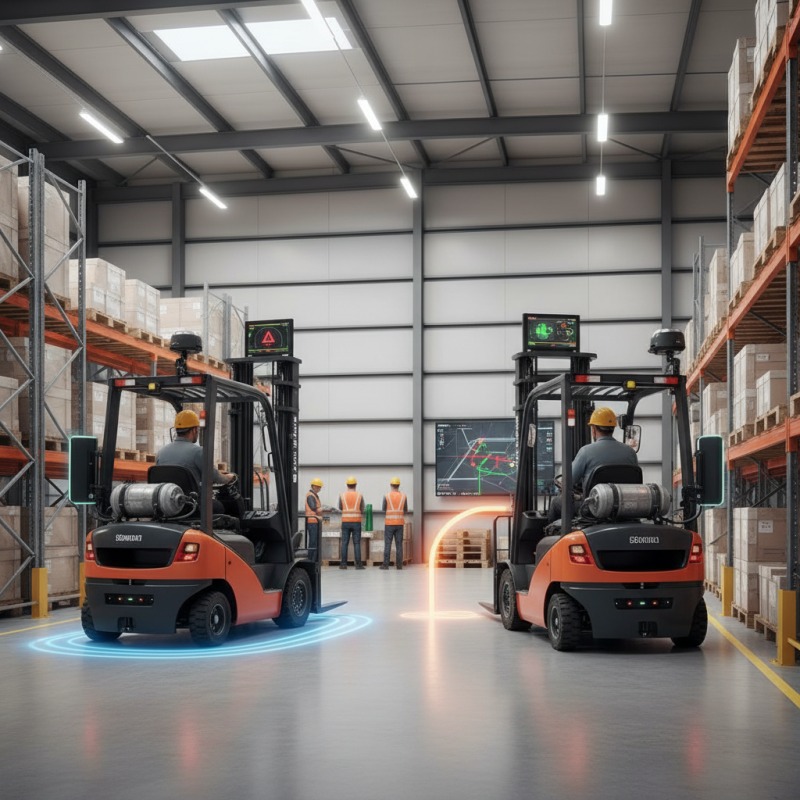
Forklift collision detection systems are essential for enhancing warehouse safety. These systems use various technologies, such as sensors and cameras, to identify obstacles. They reduce the risk of accidents caused by human error. Successful implementation can significantly lower injury rates.
These systems offer real-time data to operators. They help in identifying potential hazards and preventing collisions. However, not all systems work seamlessly in every environment. Challenges exist, including false positives and sensor calibration issues. Regular maintenance is crucial for optimal performance.
Awareness of these limitations is necessary for improvement. Continuous training for operators can increase the effectiveness of these systems. Understanding the technology is important to maximize benefits and ensure safety. Investing in a reliable system can lead to safer working conditions overall.
In the fast-paced world of warehousing, safety is paramount. Forklift collisions can lead to severe injuries and costly damages. Therefore, integrating a collision detection system becomes vital. These systems use sensors to identify obstacles in the path of a forklift, alerting operators before accidents occur. This technology reduces both human error and equipment damage.
Tips for enhancing safety include regular training sessions for forklift operators. Ensure they understand how the detection systems work. Frequent safety drills can also keep these protocols fresh in their minds. Utilize visual aids around the warehouse to remind workers of potential hazards.
It's crucial to monitor the effectiveness of your collision detection systems. Are they functioning optimally? Check sensors regularly to prevent malfunction. Evaluate incident reports to identify patterns. This reflection can improve training programs and make the workplace safer for everyone involved. Warehouse safety is an ongoing journey, not a destination.
In 2026, forklift safety is a pressing concern. The latest technologies in collision detection systems aim to enhance operational safety. Advanced sensors, cameras, and radar systems are being developed to detect obstacles in real-time. According to industry reports, implementing these technologies can reduce collision incidents by up to 50%. This not only ensures worker safety but also protects warehouse assets.
However, the adoption of these technologies can be met with challenges. Many companies face difficulty integrating new systems with existing equipment. Regular training for staff is essential, as employees must adapt to these high-tech solutions. A lack of proper training can lead to underutilization of innovative systems.
Tips for effective implementation: Ensure clear communication among team members when introducing new technology. Regular drills can improve familiarity with the systems. Monitor the effectiveness of collision detection systems. Make adjustments as necessary to optimize performance and ensure safety standards are met consistently. These steps can significantly contribute to a safer working environment.
Effective collision detection systems are vital for safe forklift operations. Statistics show that over 20% of workplace injuries involve forklifts, highlighting the need for advanced safety measures. Key features include proximity sensors, which can detect nearby obstacles. These sensors help prevent accidents by alerting operators in real-time. Studies indicate that warehouses utilizing these technologies have reduced collision rates by up to 30%.
Another essential feature involves automated stop systems. When an object is detected, the forklift automatically halts, minimizing potential damage. This technology not only protects personnel but also prevents costly equipment repairs. According to industry reports, businesses that implement automated systems see a significant drop in downtime.
Moreover, real-time data analytics enhance system effectiveness. By monitoring forklift movements, operators can adjust their behaviors and workflows. However, dependency on these systems raises questions about operator awareness. Is there a risk of complacency when relying solely on technology? Addressing these concerns is critical for maintaining a comprehensive safety culture in the workplace.
As the warehouse and logistics sectors evolve, forklift safety technology is becoming increasingly sophisticated. The potential for collision detection systems is significant. Industry reports suggest that implementing these technologies can reduce accidents by up to 30%. Such systems use sensors and cameras to detect obstacles, significantly enhancing operational safety. However, many organizations continue to rely on outdated safety methods.
Innovations in forklift safety are making waves. Advanced features like proximity sensors and automated braking systems are gaining traction. In 2023, a comprehensive study revealed that 70% of workers felt more secure with these enhancements in place. However, not all facilities have embraced this technology. Some operators still underestimate the potential risks associated with forklift operations, leading to uncertainties in safety practices.
Embracing emerging technologies means acknowledging their limitations. For instance, reliance on predictive analytics in collision detection systems can sometimes lead to false alarms. Continuous training is essential to keep operators informed about the latest safety protocols. Tracking the adoption rates of these systems is vital. The industry needs to address gaps in implementation and understanding. With proper focus, the future of forklift safety looks promising.
This chart illustrates the projected investment growth in forklift collision detection systems from 2023 to 2026, highlighting the increasing focus on safety technologies in warehousing and logistics operations.
Hein Minnie
Cell nr: +27 (0) 82 564 6501
Email: sale@thecirclemachine.com
Hein Minnie Jnr
Cell nr: +27 (0) 84 284 7234
Email: sale@thecirclemachine.com
Address:
10 Apsey Street,
Heidelberg,
Gauteng,
1441
Bendet Engineering Services (PTY) LTD was established in 1987. Our team of engineers and draughtsman are ready to deliver a complete turnkey solution, from the design phase to commissioning. A dedicated team that consists of electrical, mechanical and industrial engineers, we are able to offer a comprehensive service to our clients.