







2026 Top Headrest Booster Seat Buying Guide for Parents?

Choosing the right Headrest Booster Seat for your child is crucial. Parents often feel overwhelmed by the options available. A suitable seat not only ensures safety but also supports comfort during car rides.

Many factors influence the decision-making process. Understanding your child's size and age is essential. Seats come with varied weight limits and features. Investing time in research can pay off in greater peace of mind.

This guide aims to simplify choosing a Headrest Booster Seat. It offers insights into safety standards and functionality. Parents must navigate choices carefully. Rushing can lead to regrets down the line. Ultimately, informed choices enhance your child's ride experience.
2026 Top Headrest Booster Seat Buying Guide for Parents?

Understanding Headrest Booster Seats: Importance and Safety Features

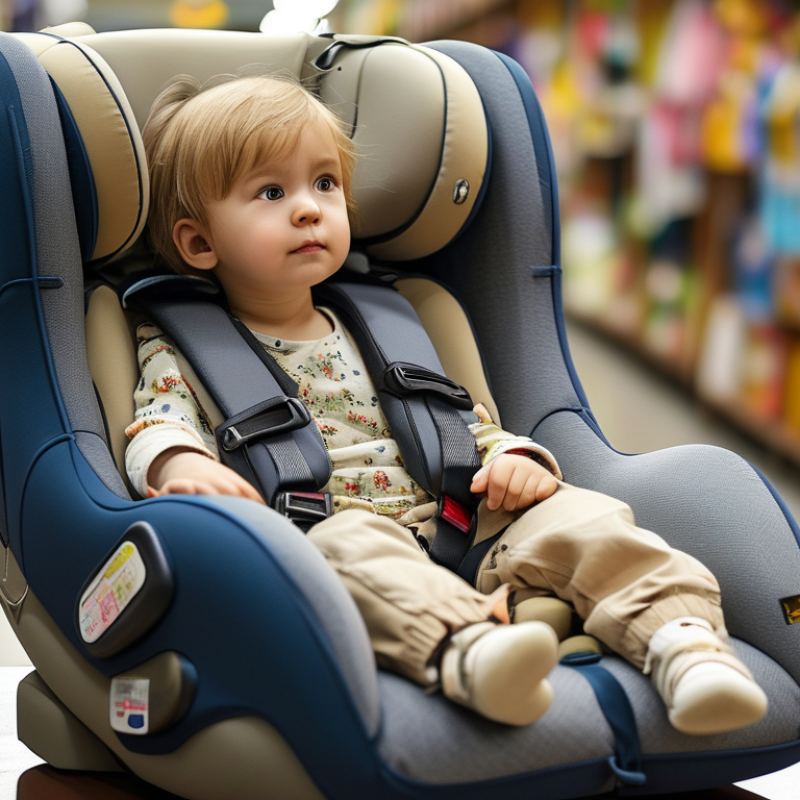
Understanding headrest booster seats is crucial for parents concerned about child safety during car travel. According to the National Highway Traffic Safety Administration (NHTSA), proper use of booster seats can reduce the risk of injury by 45% for children aged 4 to 8. These seats are designed to elevate younger passengers, ensuring the car’s seatbelt fits correctly over their body. A poorly positioned belt can lead to serious injury in an accident.

Safety features in headrest booster seats vary widely. Look for seats that include adjustable headrests, side-impact protection, and a five-point harness system. A recent study by the Insurance Institute for Highway Safety (IIHS) highlights that booster seats with higher back support offer better protection in side collisions. This is especially important as many parents might overlook these details. Investing in a quality seat is essential, yet parents often rush, leading to choices lacking in essential safety features.

It's vital to consider the correct usage. Research suggests that many parents underestimate the weight and height requirements for booster seats. Proper installation is another common pitfall. A seat that is not installed correctly negates its safety benefits. Parents should revisit guidelines regularly to avoid missteps. These details matter, as they could be the difference in protecting a child during an accident.

Key Factors to Consider When Choosing a Headrest Booster Seat

Choosing the right headrest booster seat is crucial for your child's safety. Research shows that proper positioning can reduce injury risk by up to 45% in car accidents. When selecting a booster seat, consider the seat's height and width adjustments. A well-structured booster should accommodate your child's growth while ensuring a secure fit.

Safety ratings provide an essential guideline. The National Highway Traffic Safety Administration (NHTSA) categorizes seats based on crash performance, installation ease, and user-compliance. It's crucial to examine these ratings. Some brands have outperformed others consistently, and manufacturers have improved designs based on feedback and testing.

Additionally, check the weight limits for the seat. Many parents inadvertently overlook this detail, leading to unsafe conditions. About 25% of parents report using booster seats incorrectly. Always ensure the seat aligns with your child's weight and height. A snug fit can make all the difference. Regularly checking these factors helps ensure that your child remains secure during every trip.

Top 2026 Recommended Headrest Booster Seat Models for Different Budgets

Choosing the right headrest booster seat can feel overwhelming. In 2023, the National Highway Traffic Safety Administration (NHTSA) reported that over 300,000 children are injured in car crashes annually. Selecting a booster seat that offers safety and comfort is vital for parents. Many parents focus solely on the price. However, a good booster seat doesn't have to break the bank.


There are several models recommended for various budget ranges. For budget-conscious families, research shows that seats priced under $100 often meet basic safety standards. The Insurance Institute for Highway Safety (IIHS) emphasizes that seats within this range can still provide adequate protection.


However, investing in higher-end models may offer additional features like adjustable headrests and extended use. Parents should prioritize features like side-impact protection and ease of installation. Some families report struggling with installation, which can impact safety.


In reviews, parents noted that seats which are hard to secure properly might not provide optimal protection. Specific adjustments for growing children can enhance usability, but these additional features also mean higher costs.

Installation Guidelines for Headrest Booster Seats: Ensuring Safety

When choosing a headrest booster seat, paying attention to installation guidelines is crucial. Improperly secured seats can lead to significant safety risks. Follow the manufacturer's directions closely. Ensure that the seat is tightly fitted and does not move more than an inch. A snug fit protects your child in the event of an accident.


Use vehicle seat belt systems correctly. Many parents overlook the positioning of the belt. It should lie flat across the child's upper thighs and not across the stomach. If the seat belt is placed incorrectly, it fails to provide adequate protection. This simple but critical mistake can have serious consequences.


Evaluate the booster seat's compatibility with your vehicle. Some seats fit well in certain cars but not in others. Testing it before making a commitment is vital. Always refer to your car's manual for specifics. Safety is non-negotiable. Regularly check for any signs of wear or malfunction in the booster seat. Reflecting on these elements ensures that your child remains safe during every car ride.

Common Mistakes to Avoid When Purchasing a Headrest Booster Seat

When purchasing a headrest booster seat, many parents overlook vital details. A 2021 report by the National Highway Traffic Safety Administration found that 25% of booster seats are misused, contributing to safety risks. Parents often assume all booster seats provide equal protection. In reality, design and features significantly affect safety.

Common pitfalls include ignoring the weight and height limits of booster seats. Parents sometimes choose seats based on a child's age rather than their specific size. Furthermore, many buy seats without understanding how they fit in their vehicle. Ensuring a proper fit enhances safety. On average, a correctly installed booster seat can reduce the risk of injury by 45%.

Another frequent mistake is disregarding user reviews and crash test ratings. A study from the Insurance Institute for Highway Safety emphasized the importance of choosing seats with higher safety ratings. Parents who overlook these details may unintentionally compromise their child's safety. Careful research can mitigate these risks effectively.

Open chat
Scan the code
Bendet Sales Assistant
Hi There👋,
Thank you for visiting our website, How can I help you?