







In the world of machinery, understanding the "гидравлический насос физика" is essential for buyers. Hydraulic pumps play a crucial role in various applications, from construction to automotive industries. They convert mechanical energy into hydraulic energy, powering countless machines.
As technologies advance, buyers face a myriad of options. Each pump type has its own physics principles, affecting efficiency and performance. Knowing these concepts helps in making informed decisions. However, many buyers often overlook critical specifications, leading to suboptimal choices.
Practical knowledge is key. Testing different pumps can provide valuable insights. Yet, it is also vital to reflect on failings. A pump that fits one application may not work in another. Buyers must assess their needs carefully. The right pump can enhance productivity while saving energy. But, ensure that the pump aligns with the specific use requirements.
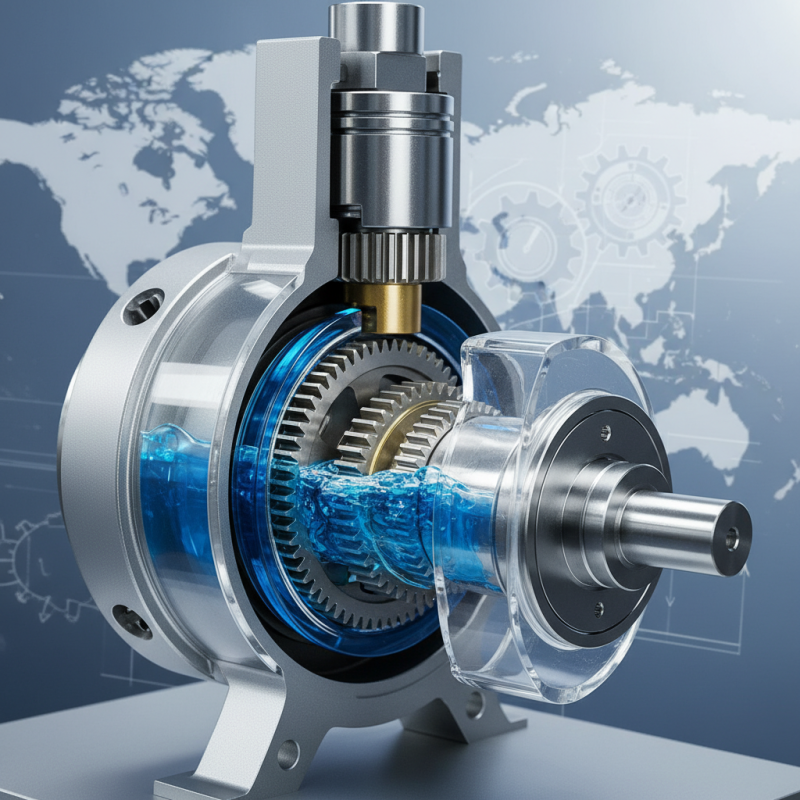
Understanding hydraulic pumps is essential for buyers. These devices convert mechanical energy into hydraulic energy. They operate based on principles of fluid dynamics and pressure differentials. The key components include the pump casing, rotor, and drive mechanism. Each part plays a vital role in effective operation.
When selecting a hydraulic pump, consider system requirements. Different applications demand varying pressure levels and flow rates. It's important to perform calculations and choose correctly. A mismatch can lead to inefficiency or failure. Always evaluate the pump design to ensure it matches your needs.
Tips: Inspecting the pump materials can reveal durability. Look for corrosion resistance, especially in harsh environments. Moreover, consulting with experts can refine your choices. Engage with technical documents for better understanding, as they provide valuable insights. Always stay updated on advancements in pump technologies.
| Hydraulic Pump Type | Operating Principle | Design Features | Common Applications | Efficiency Rating (%) |
|---|---|---|---|---|
| Gear Pump | Positive Displacement | Simple Design, Durable | Construction, Agriculture | 85-90 |
| Vane Pump | Positive Displacement | Variable Displacement, Compact | Mobile Equipment, Automotive | 80-85 |
| Piston Pump | Positive Displacement | High Pressure, Efficient | Industrial Applications | 90-95 |
| Screw Pump | Positive Displacement | Low Pulsation, High Capacity | Marine, Oil and Gas | 85-90 |
| Radial Piston Pump | Positive Displacement | High Performance, Versatile | Aerospace, Hydraulic Systems | 90-96 |
Hydraulic pumps are essential in various applications. Understanding different types can help in making informed choices. Gear pumps are simple and reliable. They excel in delivering high flow rates at lower pressures. Commonly used in machinery, these pumps are favored for their durability.
Vane pumps offer versatility in application. Their design allows for efficient operation at medium pressures. This makes them suitable for mobile equipment. However, they are less tolerant to contamination compared to other types. Users should regularly maintain these pumps to ensure optimal performance.
Piston pumps stand out for their high pressure capabilities. They are often used in industrial settings where precision is crucial. Although they are efficient, they can be more complex and costly to maintain. Regular inspections are needed to mitigate wear and tear.
Tips: Always consider the specific requirements of your application. This includes flow rate, pressure, and fluid type. Regular maintenance can prevent costly breakdowns. Consider your options carefully. Each type of pump has its strengths and weaknesses that must align with your needs.
When exploring hydraulic pumps, understanding key performance metrics is crucial. Flow rate, pressure, and efficiency significantly influence their effectiveness. The flow rate indicates how much fluid moves through the system. A higher flow rate generally leads to faster work completion. However, it can sometimes compromise pressure. Buyers should assess their specific needs first.
Pressure is another vital metric. It measures the force pushing fluid through the system. Too much pressure can damage components, while too little may not meet operational requirements. Finding the right balance is essential for optimal performance. Efficiency is often overlooked, yet it determines how much energy is used to produce that flow and pressure. Less efficient pumps can lead to higher operational costs.
It is worth noting that not all pumps are created equal. Testing under various conditions is recommended for a comprehensive understanding. Users may experience unexpected challenges with performance. Performance metrics can vary based on the specific application and environment. Therefore, thorough research and tailored assessment are essential for making informed decisions.
The hydraulic pump industry is witnessing significant evolution. Various global market trends are shaping its trajectory. As demand for efficient machinery rises, the emphasis on innovation is evident. Key players are focusing on developing advanced technologies. This includes improvements in energy efficiency and durability.
Market size has shown steady growth over recent years. Emerging economies are driving this expansion. High construction and manufacturing activities in these regions fuel the demand for hydraulic systems. However, there are challenges to consider. Fluctuating raw material prices can impact production costs. Additionally, regulatory standards vary widely between countries.
Understanding these trends is crucial for stakeholders. Market research reports often highlight these dynamics. Nevertheless, many buyers face difficulties in choice. The variety of options can be overwhelming. Creating a balance between quality and cost is essential. Buyers must evaluate both current needs and future requirements carefully.
Choosing the right hydraulic pump is crucial for efficiency and performance. Buyers must consider various factors. The pump's application is a primary concern. Understanding the specific requirements of your system helps in selecting a suitable pump.
Next, consider the flow rate and pressure rating. These metrics determine how effectively the hydraulic fluid will move through your system. An incorrect choice can lead to underperformance or damage. The size and weight of the pump also matter. They can affect installation and operational efficiency. Additionally, assess the compatibility with existing components to avoid potential issues.
Another important factor is the type of hydraulic fluid. Some pumps work better with specific fluids. This can influence maintenance needs and durability. Always review the warranty and support services provided. Sometimes, the cheapest option may not guarantee long-term reliability. Making an informed decision involves weighing these details carefully. It’s essential to gather information. Rely on credible sources, such as expert reviews and technical specifications, to guide your choices.
Hein Minnie
Cell nr: +27 (0) 82 564 6501
Email: sale@thecirclemachine.com
Hein Minnie Jnr
Cell nr: +27 (0) 84 284 7234
Email: sale@thecirclemachine.com
Address:
10 Apsey Street,
Heidelberg,
Gauteng,
1441
Bendet Engineering Services (PTY) LTD was established in 1987. Our team of engineers and draughtsman are ready to deliver a complete turnkey solution, from the design phase to commissioning. A dedicated team that consists of electrical, mechanical and industrial engineers, we are able to offer a comprehensive service to our clients.